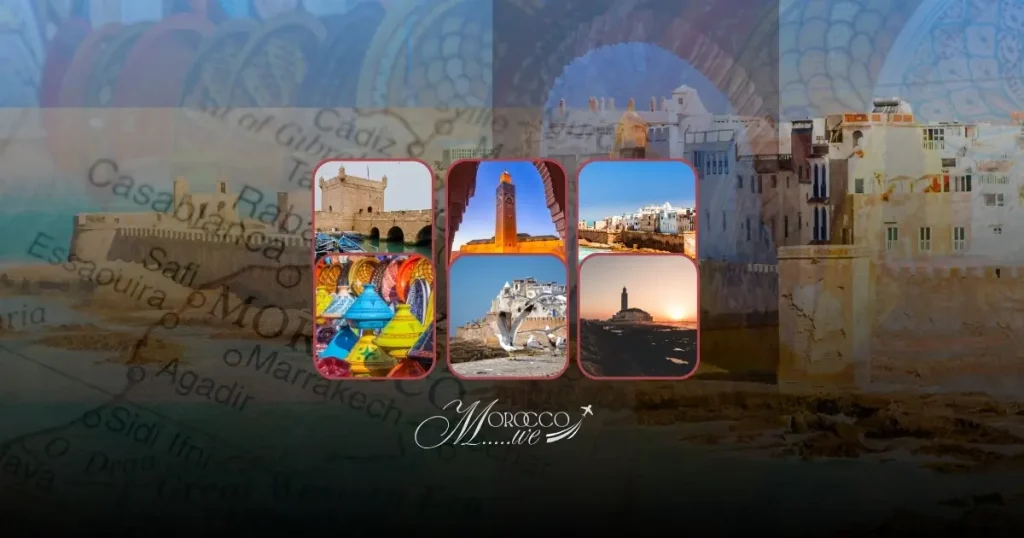
Traveling to Morocco is an unforgettable experience filled with culture, landscapes, and hospitality. Like any destination, staying informed about safety helps visitors enjoy their trip with confidence. Morocco is generally considered a safe country for travelers, especially in major tourist areas, but understanding local practices and basic precautions can make your journey smoother and more enjoyable.
Is Morocco Safe for Tourists?
Morocco welcomes millions of travelers every year, and tourism is an important part of the country’s economy. Major cities such as Marrakech, Casablanca, Fes, and Agadir maintain active tourist police presence, especially in popular tourist zones. Most visitors travel without any safety problems, particularly when following common travel precautions similar to those used in any international destination.
Personal Safety Tips
Travelers should always stay aware of their surroundings, especially in crowded markets or busy transport areas. Pickpocketing can occur in crowded places worldwide, and Morocco is no exception. Keeping valuables secure, using cross-body bags, and avoiding displaying expensive items can reduce risks significantly.
Walking in well-lit areas at night, using official taxis, and choosing reputable tour companies also help ensure a safe experience. Solo travelers, including women, often report safe travel experiences when maintaining standard awareness and respecting local customs.
Transportation Safety
Public transportation such as trains and intercity buses in Morocco is generally reliable and safe. The national railway system connects many major cities and is widely used by both locals and tourists. When taking taxis, visitors should use registered taxis and confirm the meter is running or agree on a price beforehand in areas where meters are not used.
For desert tours or mountain excursions, booking with licensed travel agencies is strongly recommended. Professional guides ensure both safety and a better understanding of the region’s environment.
Health and Food Safety
Moroccan cuisine is one of the highlights of any trip. Restaurants in tourist areas usually maintain good hygiene standards, and bottled water is widely available. Travelers who prefer extra precaution may choose sealed bottled water and freshly cooked meals served hot. Pharmacies are common in cities and towns, and pharmacists can often provide helpful medical advice for minor travel needs.
Travel insurance is also recommended for international trips, offering additional peace of mind in case of unexpected medical situations.
Cultural Awareness and Respect
Morocco is known for its hospitality and welcoming culture. Respecting local traditions, dressing modestly in traditional neighborhoods, and asking permission before photographing people are simple practices that create positive interactions with locals. Understanding cultural norms helps visitors feel more comfortable and enhances the overall travel experience.
Emergency Contacts and Assistance
Morocco has emergency services similar to many countries, including police, ambulance, and fire services. Hotels, tourist information offices, and travel agencies can also assist travelers if help is needed. Tourist police units operate in major tourist destinations and are specifically trained to assist international visitors.
Accommodation Safety Tips
Choosing the right accommodation is an important part of travel safety. Morocco offers a wide range of lodging options, from international hotels and boutique riads to guesthouses and desert camps. Travelers are encouraged to book accommodations with strong reviews and verified listings on trusted booking platforms. Hotels and riads located in central tourist areas usually maintain higher security standards, including reception assistance, secure entrances, and luggage storage services.
When staying in traditional riads within historic medinas, it is helpful to keep the address saved on your phone or written down, as medina streets can be complex and sometimes difficult to navigate. Many riads also provide airport pickup services, which can simplify arrival, especially for first-time visitors.
Money and Financial Safety
Managing money safely while traveling is another key aspect of a secure trip. Morocco has ATMs widely available in cities and tourist towns, and many hotels, restaurants, and stores accept international credit cards. However, carrying some local cash is useful, particularly in smaller towns or traditional markets where card payments may not be accepted.
Travelers should avoid carrying large amounts of cash in one place and instead divide money between a wallet, a travel pouch, or a secure bag. Using hotel safes to store passports and extra funds is also recommended. Currency exchange offices in airports, banks, and authorized exchange points are reliable places to exchange money safely.
Digital and Online Safety
In the modern travel era, digital security is just as important as physical safety. Travelers should use secure Wi-Fi networks when possible and avoid entering sensitive financial information on public or unsecured networks. Using a VPN connection can provide additional protection for personal data when accessing online banking or travel documents.
Keeping digital copies of important documents such as passports, visas, travel insurance, and hotel reservations stored securely on a phone or cloud storage service is also helpful in case original documents are misplaced.
Safety for Solo Travelers
Morocco is increasingly popular among solo travelers, including solo female travelers. Many visitors report positive and safe experiences when following standard travel awareness practices. Dressing in a culturally respectful manner, especially in traditional neighborhoods and rural areas, can help visitors feel more comfortable and blend in with local environments.
Joining organized walking tours, cultural tours, or guided excursions is another excellent way for solo travelers to explore cities safely while learning about history and local traditions. Guided tours also provide an opportunity to meet other travelers, creating a more enjoyable and secure travel experience.
Exploring Markets and Crowded Areas
Traditional souks (markets) are among Morocco’s most exciting attractions, offering colorful goods, spices, handicrafts, and local products. These areas are usually lively and crowded, which is part of their charm. Travelers should simply remain aware of their belongings, keep bags zipped, and avoid carrying valuables in easily accessible pockets.
It is also common for visitors to be approached by local vendors or guides offering assistance. Politely declining if you are not interested is perfectly acceptable. Most interactions are friendly and part of the lively market culture, but maintaining calm awareness ensures a more comfortable experience.
Road and Travel Excursion Safety
For travelers planning road trips, Morocco’s highway network connecting major cities is modern and well maintained. Driving between cities such as Casablanca, Rabat, Marrakech, and Agadir is generally smooth and straightforward. Travelers renting cars should follow standard road safety practices, obey speed limits, and drive cautiously in mountain areas where roads may be narrower and winding.
When planning excursions to the Atlas Mountains, waterfalls, or desert regions, working with licensed guides or reputable travel companies is highly recommended. Experienced local guides understand terrain conditions, weather patterns, and safe travel routes, which significantly enhances both safety and enjoyment.
Seasonal and Environmental Awareness
Morocco’s diverse geography means that travelers may experience different climates within the same trip. Desert regions can be extremely hot during the day and cold at night, while mountain areas may have sudden weather changes. Carrying appropriate clothing, sunscreen, hydration supplies, and comfortable walking shoes is essential for safe travel.
During summer months, staying hydrated and scheduling outdoor activities early in the morning or late afternoon can help avoid excessive heat exposure. In coastal regions, travelers should follow local guidance regarding swimming areas and ocean conditions.
Morocco remains one of the safest and most rewarding destinations in North Africa for travelers seeking culture, adventure, and unforgettable scenery. With proper preparation, awareness, and respect for local customs, visitors can explore the country comfortably and confidently. From the colorful medinas and historic cities to the peaceful Sahara dunes and scenic coastal towns, Morocco offers a welcoming environment where travelers can focus on discovery rather than concern.
By choosing reliable transportation, trusted accommodations, licensed guides, and maintaining basic travel awareness, visitors can enjoy a smooth and secure journey across the country. Whether traveling solo, with friends, or as a family, Morocco provides a balanced combination of safety, hospitality, and unique travel experiences that continue to attract millions of tourists each year.
Travel safety is ultimately about preparation and smart decision-making. When travelers stay informed and organized, they gain the freedom to fully enjoy the magic of Morocco — its traditions, landscapes, cuisine, and unforgettable cultural encounters — creating memories that last a lifetime.