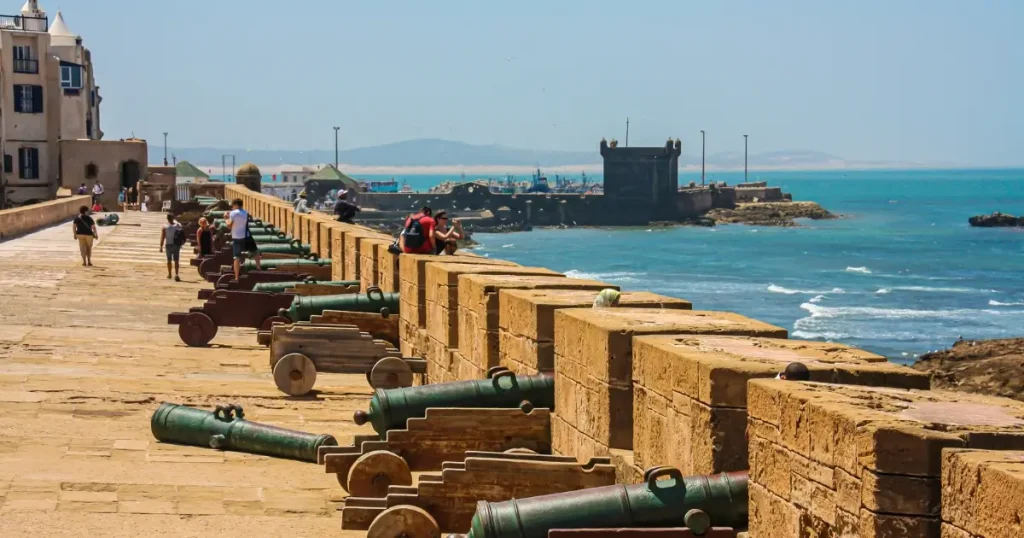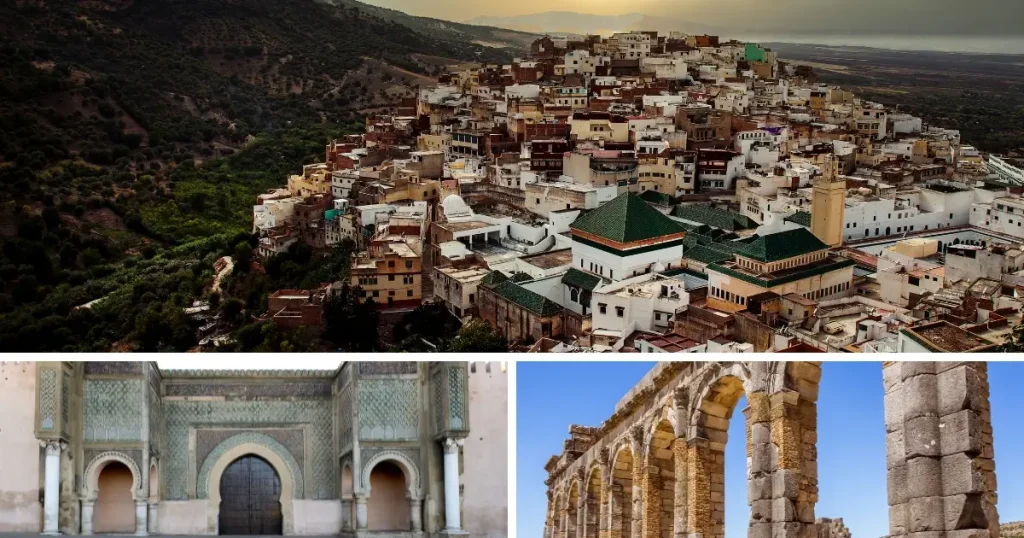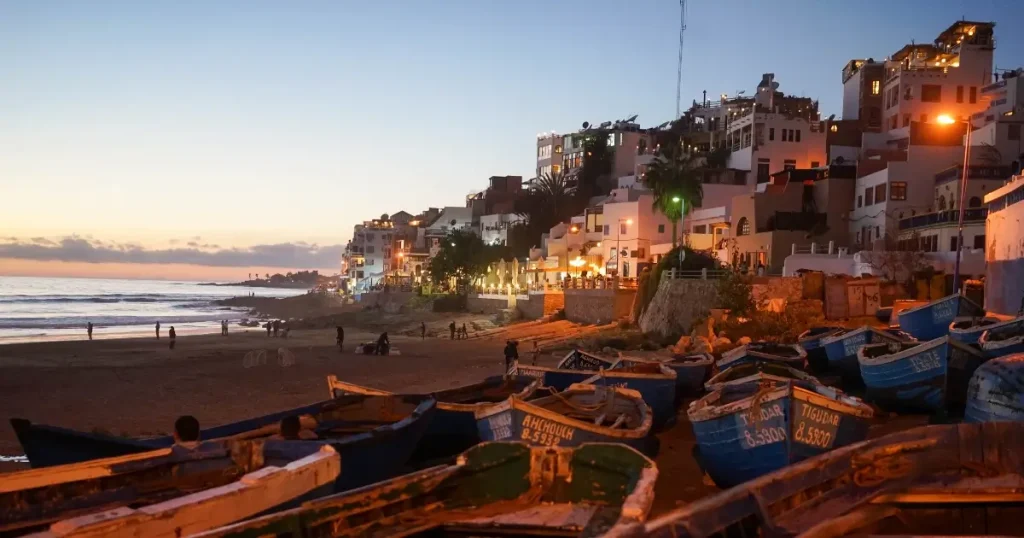
There is a moment, standing at the edge of the Kasbah des Oudayas as the Atlantic wind moves through the bougainvillea and the blue-painted walls glow gold in the late afternoon sun, when you understand that Rabat is not just a capital city — it is a love letter written in stone. Travel to Rabat Morocco is, for those fortunate enough to discover it, a journey into one of North Africa’s most quietly extraordinary destinations. Unlike the frenetic energy of Marrakech or the labyrinthine chaos of Fez, Rabat moves at a different rhythm: measured, dignified, and deeply confident in its own beauty. It is a city of wide boulevards and ancient ramparts, of UNESCO World Heritage Sites and ocean breezes, of Andalusian gardens and modern café culture. And yet, remarkably, it remains one of the most underrated destinations on the entire African continent.
Rabat rewards those willing to look beyond the well-worn tourist trail. Here, the past does not merely coexist with the present — it breathes through it. Roman ruins sit a short drive from contemporary art galleries. Medieval medinas give way to French colonial architecture. The Atlantic Ocean laps at the base of a twelfth-century fortress. For travelers seeking an authentic Moroccan experience without the sensory overload, Rabat offers something increasingly rare in the modern world: the feeling of genuine discovery.
A City Written Into History
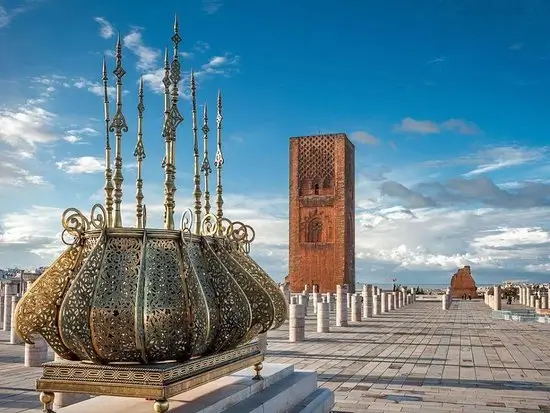
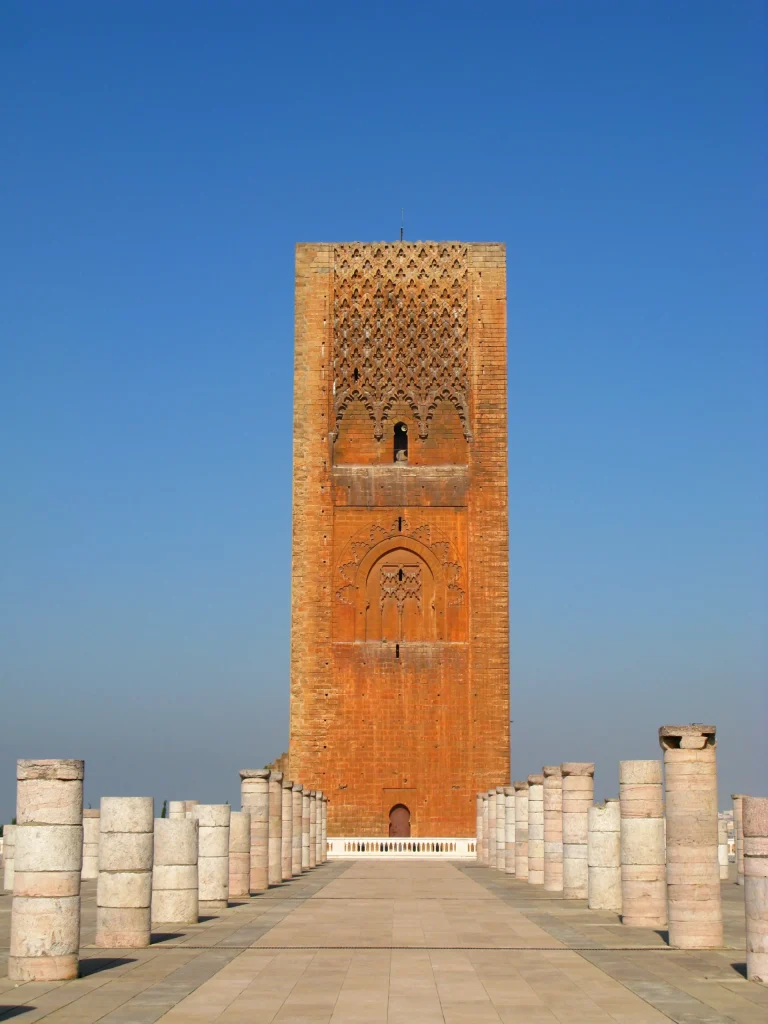
Rabat’s story begins more than two thousand years ago, though its character was truly forged in the medieval centuries. The site was originally settled by the Phoenicians and later developed by the Romans, who built the town of Sala Colonia near the present-day Chellah ruins. But it was the Almohad dynasty, under the reign of Caliph Yacoub al-Mansour in the twelfth century, that gave Rabat its first moments of imperial grandeur. Al-Mansour envisioned a great military capital from which to launch campaigns across the Maghreb and into the Iberian Peninsula. He began construction of what would have been the largest mosque in the Islamic world — a project that was ultimately abandoned upon his death, leaving behind the iconic Hassan Tower as its most enduring symbol.
The city’s next great transformation came with the arrival of Moorish refugees expelled from Andalusia in the seventeenth century. These Muslim and Jewish immigrants brought with them refined artistic traditions, architectural sophistication, and a cultural richness that forever shaped Rabat’s urban identity. The distinctive blue-and-white aesthetic of the Kasbah des Oudayas — so reminiscent of Andalusian villages — is their most visible legacy.
In the twentieth century, French colonial administrators chose Rabat as the administrative capital of the Moroccan Protectorate, a decision that added wide, tree-lined boulevards, Art Deco buildings, and a planned urban character to the city’s medieval bones. When Morocco gained independence in 1956, Rabat retained its status as the nation’s political capital, home to the Royal Palace and the Parliament. This layering of civilizations — Roman, Berber, Arab, Andalusian, and French — gives the city an architectural and cultural complexity that is extraordinarily rich for those who take the time to explore it.
In 2012, Rabat was inscribed on the UNESCO World Heritage List as a “Modern Capital and Historic City,” a recognition not merely of individual monuments but of the city itself as a living testament to the confluence of Islamic, Berber, and European traditions across more than twelve centuries.
Top Attractions and Must-See Landmarks
The Hassan Tower and Mausoleum of Mohammed V
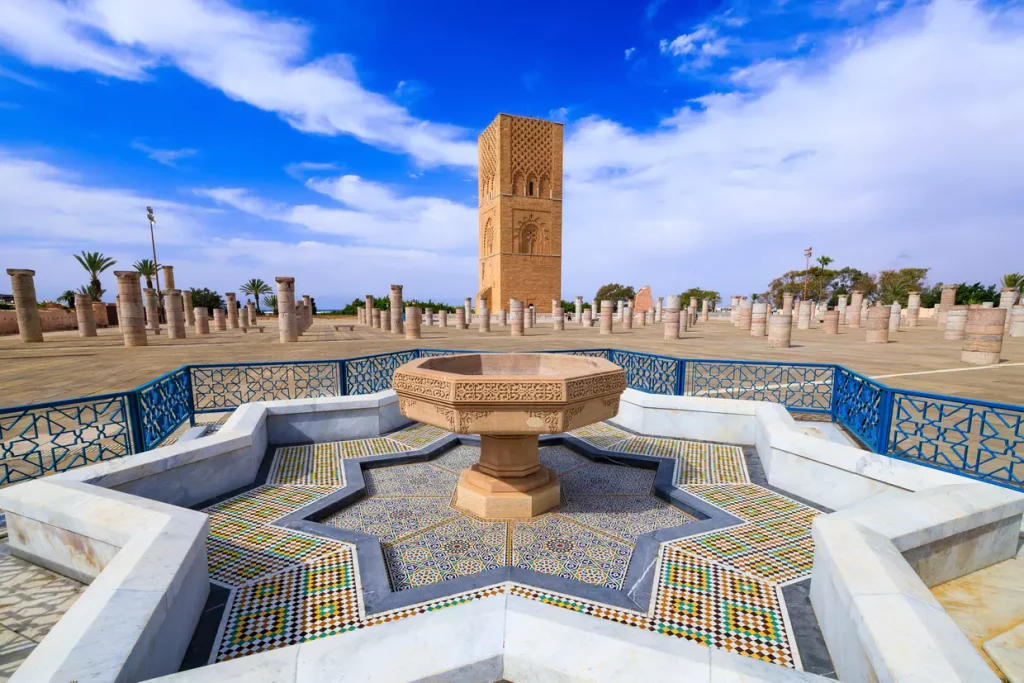
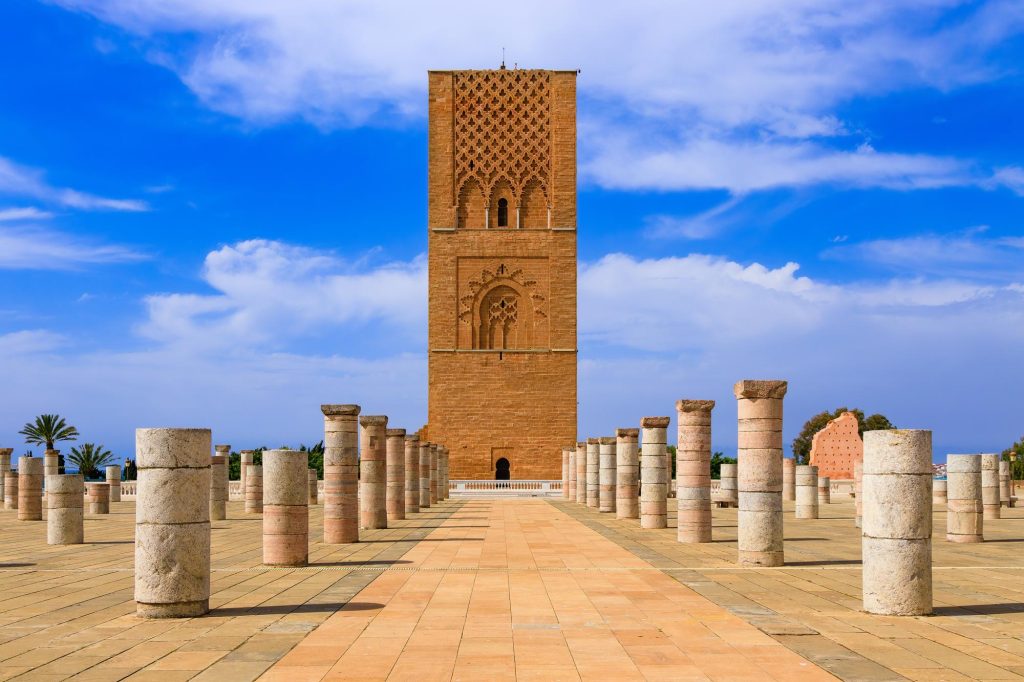
No visit to Rabat would be complete without spending time at the esplanade of Hassan Tower. The unfinished minaret — rising 44 meters from a vast platform scattered with the columns of what would have been an immense prayer hall — is one of Morocco’s most powerful architectural images. Built from local sandstone in the late twelfth century, the tower was intended to stand at over 80 meters, which would have made it the tallest minaret in the world. An earthquake in 1755 toppled much of the surrounding structure, leaving the columns as a haunting, open-air monument to ambition.
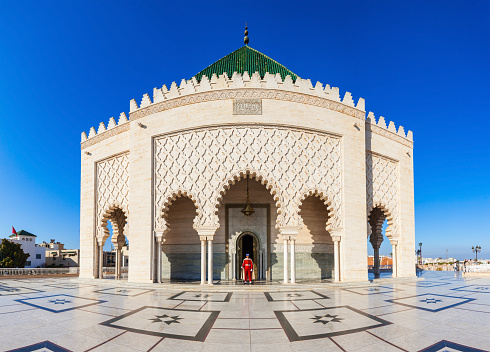
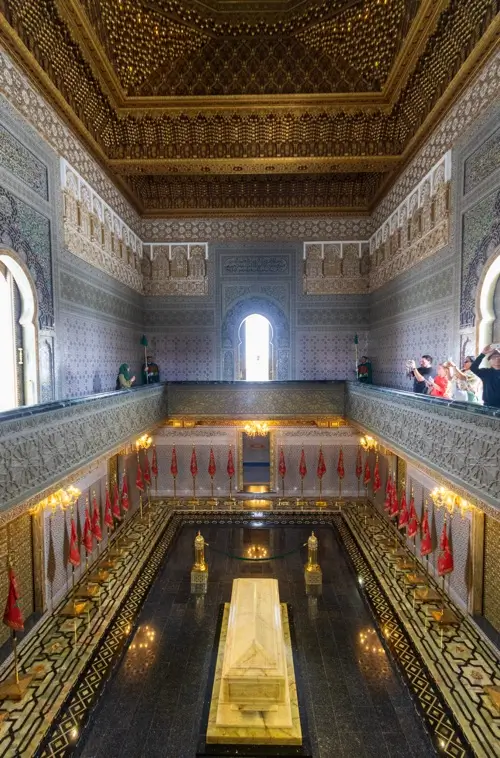
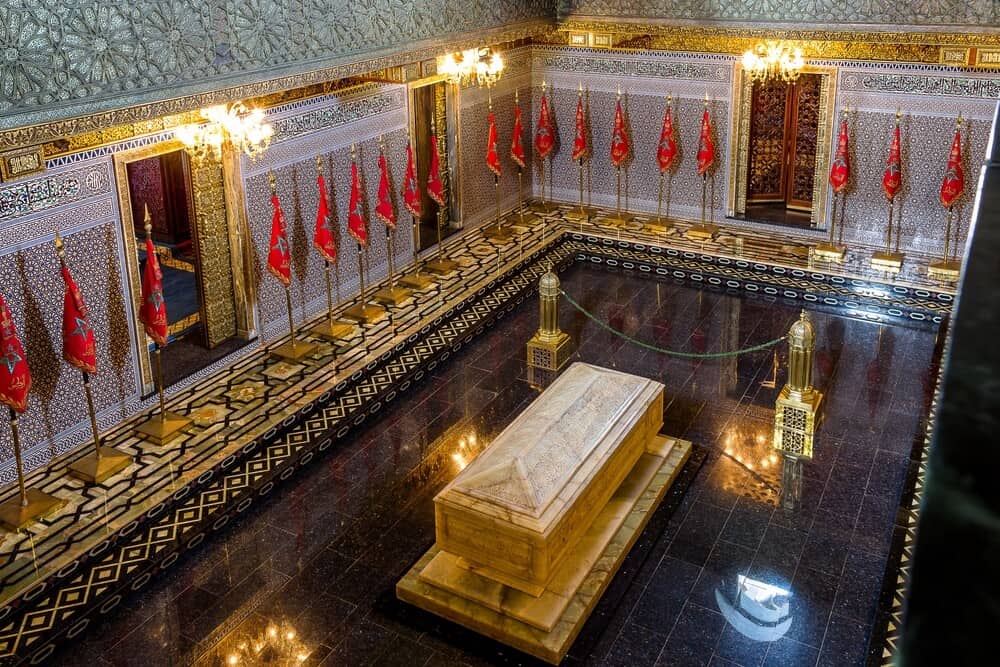
Adjacent to the tower stands the Mausoleum of Mohammed V, a masterpiece of twentieth-century Moroccan craftsmanship completed in 1971. The exterior is clad in gleaming white Carrara marble topped with a traditional green pyramid roof. Inside, beneath an elaborate painted cedarwood ceiling, lies the tomb of King Mohammed V, the beloved father of Moroccan independence, flanked by the tombs of his sons Hassan II and Prince Moulay Abdallah. Royal guards in white uniforms stand vigil around the clock, and the effect of the entire complex — the tower, the columns, the mausoleum — is profoundly moving.
The Kasbah des Oudayas
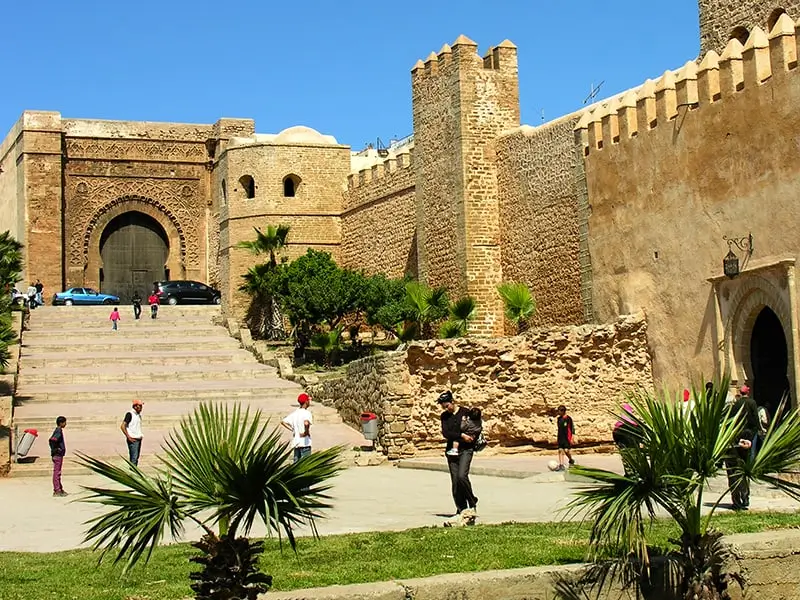
Perched on a promontory above the mouth of the Bou Regreg River, the Kasbah des Oudayas is one of the most visually enchanting neighborhoods in all of Morocco. Founded in the twelfth century as a fortress, it was later inhabited by Andalusian refugees who painted its narrow streets in the now-famous combination of indigo blue and chalk white. Walking through its lanes, past doorways draped in jasmine and cats lounging on sunlit walls, is like stepping into another century — one suspended somewhere between southern Spain and the Moroccan Atlantic coast.
At the top of the kasbah, the Almohad gate — the Bab Oudaia — is a masterpiece of twelfth-century decorative architecture, considered one of the finest examples of Almohad craftsmanship anywhere in the world. Below the ramparts, a small Andalusian garden laid out in the seventeenth century offers a sanctuary of orange trees, roses, and aromatic herbs, with views across the river to the neighboring city of Salé. The kasbah museum, housed in a seventeenth-century palace, displays traditional Moroccan jewelry, costumes, and carpets.
The Chellah Necropolis
Just beyond the modern city walls lies one of Rabat’s most atmospheric sites: the Chellah, a walled necropolis that layers Roman ruins beneath a medieval Muslim sanctuary. The Romans built their city of Sala Colonia here between the first and third centuries AD, leaving behind a forum, a triumphal arch, a capitol, and a network of streets and homes. Over these ruins, the Merinid sultan Abu al-Hassan built a royal funerary complex in the fourteenth century, adding a mosque, a zawiya (religious school), and several royal tombs.
Today, the Chellah is a place of wildly romantic beauty. Storks nest atop the ancient minarets in spring. Cats move silently between Roman columns and Islamic prayer niches. Overgrown fig trees split ancient stones. At golden hour, the warm sandstone walls glow amber and the place feels genuinely sacred. It is one of those sites where the accumulation of human history across two millennia becomes not overwhelming but somehow consoling — proof that civilizations rise, flourish, and pass, leaving beauty in their wake.
The Medina of Rabat
Unlike the medinas of Fez or Marrakech, Rabat’s old city is refreshingly navigable — large enough to be genuinely immersive, compact enough that you won’t spend an afternoon hopelessly lost. The medina was built primarily after the seventeenth century and retains a quieter, more residential character than its more famous counterparts. The main commercial artery, Rue des Consuls, is lined with artisanal shops selling leather goods, carpets, embroidered textiles, and silverware. The street was historically where foreign diplomats were required to conduct their trade — a reminder of Rabat’s long tradition of international engagement.
The Mellah, Rabat’s historic Jewish quarter, is located at the heart of the medina. Though the Jewish community has largely emigrated, the mellah retains its distinctive character: tall, narrow buildings with overhanging upper floors, wrought-iron balconies, and a particular light that filters differently through these compressed streets. Small synagogues and cemeteries remain as testament to a community that shaped the city’s intellectual and commercial life for centuries.
Unique Experiences You Cannot Miss
Watching the sunset from the walls of the Kasbah des Oudayas as fishing boats navigate the river below, while the call to prayer rises from the medina behind you, is one of those travel experiences that permanently rewires something in your memory. Take the time to walk along the Bou Regreg riverfront promenade, crossing by ferry to Salé — Rabat’s sister city and often overlooked complement — which offers its own magnificent medina, the Medersa de Salé (a fourteenth-century Quranic school), and a less tourist-oriented atmosphere.
Culture seekers should not miss the Mohammed VI Museum of Modern and Contemporary Art, which opened in 2014 and houses one of the finest collections of Moroccan modern art in the world, from early twentieth-century painting to contemporary video installation. The Musée National de l’Histoire et des Civilisations, with its comprehensive collection spanning prehistory to the present day, offers essential context for understanding everything you will see in the streets outside.
Music lovers who time their visit correctly may catch one of the legendary Mawazine Festival performances — one of the largest music festivals in the world, typically held in late spring, which brings international headliners as well as Gnawa musicians, Sufi artists, and performers from across the African continent to outdoor stages throughout the city.
Local Food and Traditional Cuisine
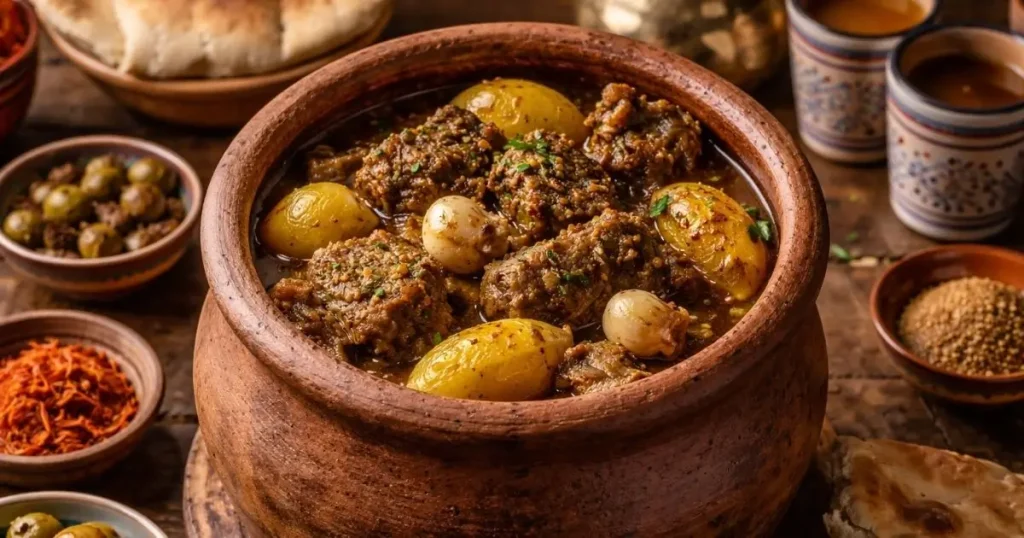
Rabat’s food culture is as sophisticated as its history. The city has a strong tradition of home cooking that draws on Fassi (from Fez), Andalusian, and Atlantic seafood influences, and this diversity is reflected in its restaurant scene. Begin any culinary exploration at one of the simple market restaurants near the medina, where large clay tagines arrive fragrant with saffron, preserved lemon, and olives, and the bread is baked fresh throughout the day.
Pastilla — the celebrated sweet-savory pastry traditionally filled with pigeon, almonds, and cinnamon — appears in Rabat in both its classic form and in seafood variations unique to the Atlantic coast. Harira, the slow-cooked tomato and legume soup enriched with lamb and thickened with flour and eggs, is the city’s great comfort food, eaten at all hours but particularly during Ramadan. Couscous on Fridays is a near-sacred institution.
The city’s proximity to the Atlantic makes seafood exceptional. Grilled sardines, still warm from the ocean, can be found at harbor-side restaurants and street stalls near the Kasbah. Sea bass baked in chermoula — a herb marinade of cilantro, cumin, paprika, and garlic — is a regional specialty that rarely disappoints. The Hassan neighborhood and the Agdal district both offer sophisticated restaurant options for those seeking a more contemporary interpretation of Moroccan cuisine.
No meal is complete without Moroccan mint tea, prepared with theatrical ceremony: green gunpowder tea steeped with a generous fistful of fresh mint and poured from height to create a foamy surface. The sweetness is non-negotiable. Refusing a second glass is considered mildly impolite. A third glass is wisdom.
Best Time to Visit Rabat Morocco
Rabat’s Atlantic location gives it a markedly more temperate climate than cities in Morocco’s interior. Summers are warm but rarely extreme — daytime temperatures hover between 25°C and 30°C, moderated by ocean breezes. The most popular and comfortable travel months are April through June and September through November. Spring brings wildflowers to the Chellah ruins and fills the Andalusian garden with fragrance. Autumn is bathed in golden light and the cultural calendar fills with festivals and events.
July and August attract significant domestic tourism, and some popular sites can feel crowded. January and February are mild by Northern European standards — temperatures rarely fall below 10°C — but occasional Atlantic storms can bring heavy rain. Ramadan, which moves through the calendar each year, transforms the city’s atmosphere: daytime restaurants are scarce, but the evening iftar meal and the nighttime energy of the medina create an experience unlike any other.
Travel Tips and Safety Information
Rabat is consistently ranked among the safest major cities in Morocco and among the safest capitals in Africa. The presence of the Royal Palace and government institutions means that security infrastructure is robust throughout the city. Solo female travelers, in particular, report a noticeably more comfortable experience in Rabat than in some of Morocco’s more intensely touristic cities.
Petty theft, as in any city, warrants standard vigilance with bags and valuables. The medina in Rabat has far fewer aggressive touts than Fez or Marrakech, which makes exploration considerably more relaxed. Bargaining is expected and enjoyable in the souks; starting at roughly half the asking price and working to about two-thirds is standard practice.
Dress modestly when visiting mosques (non-Muslims are generally not permitted to enter active mosques in Morocco, though the mausoleum and the mosque at Chellah allow visitor access). Covering shoulders and knees is a sign of cultural respect throughout the medina and particularly appreciated by local residents. Learning even a few words of Darija (Moroccan Arabic) or French will open doors — literally and figuratively — and is received with warm appreciation.
Tap water in Rabat is treated but travelers with sensitive stomachs may prefer bottled water for the first few days of adjustment.
Transportation and How to Reach Rabat
Rabat-Salé-Kénitra Airport (RBA) serves the city with direct connections to major European hubs including Paris, Brussels, Amsterdam, Madrid, and London, as well as flights from several Gulf cities. The airport is approximately 10 kilometers from the city center, accessible by petit taxi or the comfortable airport shuttle service.
For travelers already in Morocco, the national rail operator ONCF operates fast, reliable train services between Rabat and Casablanca (approximately 45 minutes), Tangier (approximately 4 hours), and Fez (approximately 3 hours). Casablanca’s Mohammed V International Airport, with its far broader network of international connections, is the practical entry point for many visitors who then travel to Rabat by train — one of the most comfortable and efficient rail journeys in Africa.
Within the city, Rabat operates a modern tramway (tram) system with two lines connecting major landmarks and neighborhoods, making it genuinely easy to navigate without a car. Petit taxis — small, metered cabs — are abundant and affordable for shorter trips. Ride-hailing apps operate in the city and provide additional convenience, particularly at night.
Nearby Destinations Worth Exploring
Rabat sits at the geographic heart of Morocco’s Atlantic corridor, making it an excellent base for regional exploration. Casablanca, 90 kilometers to the south, is worth at minimum a half-day visit for the breathtaking Hassan II Mosque — the world’s largest mosque with an active minaret — and the city’s striking Art Deco architecture.
Salé, directly across the river, is so frequently overlooked that it feels like a private discovery. Its magnificent fourteenth-century medersa, its tranquil medina, and its annual Candles Procession (a UNESCO-recognized cultural heritage event) reward those who make the crossing.
The ancient Roman city of Volubilis, two hours to the east near Meknès, is one of the finest archaeological sites in Africa — a partially excavated Roman town of over 40 hectares with stunning mosaic floors, triumphal arches, and olive presses preserved in extraordinary condition. Meknès itself, one of Morocco’s four imperial cities, deserves a full day’s exploration for its vast royal granaries, its Bab al-Mansour gateway, and its mellah.
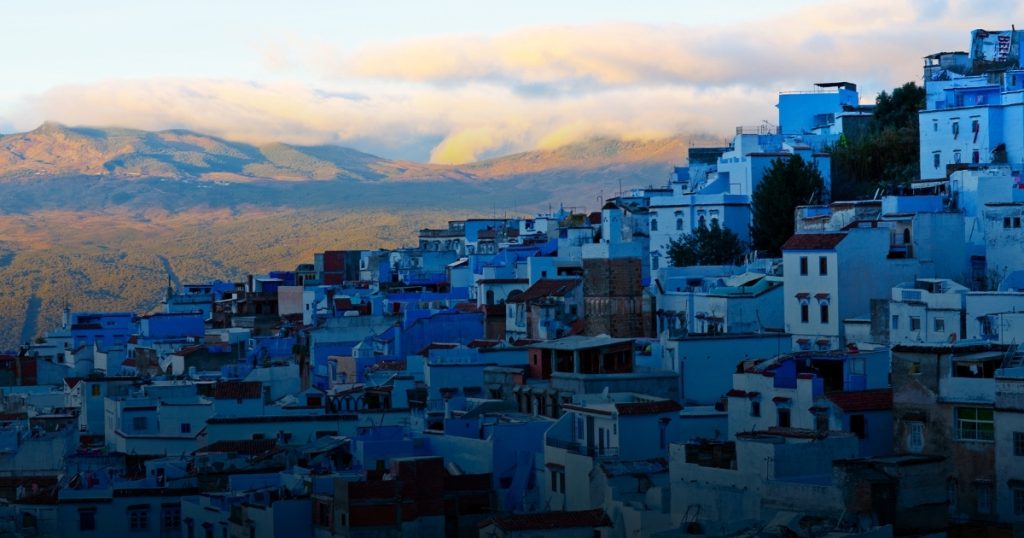
The coastal town of Asilah, 200 kilometers to the north, is a whitewashed art town famous for its annual murals festival and its stunning Portuguese fortifications overlooking the Atlantic. Further north, the blue city of Chefchaouen in the Rif Mountains offers one of Morocco’s most photographed landscapes.
Suggested Travel Itinerary
Day 1: Begin at the Hassan Tower esplanade at dawn, before the crowds arrive, and spend the morning at the adjacent Mausoleum of Mohammed V. Walk to the Kasbah des Oudayas for lunch at one of the small cafés with river views, then spend the afternoon exploring the kasbah’s lanes and the Andalusian garden. End with sunset from the ramparts.
Day 2: Devote the morning to the Chellah necropolis, ideally arriving at opening time. Return through the Almohad walls into the medina for lunch, and spend the afternoon exploring Rue des Consuls and the mellah. Evening at a traditional restaurant in the Hassan neighborhood.
Day 3: Morning visit to the Mohammed VI Museum of Modern and Contemporary Art, followed by a ferry crossing to Salé to explore its medersa and quieter medina. Return to Rabat for afternoon café culture in Agdal and an evening at one of the contemporary restaurants near the tram line.
Day 4 (optional extension): Day trip to Volubilis and Meknès, returning to Rabat by late evening.
Accommodation Recommendations
Luxury: The Sofitel Rabat Jardin des Roses occupies an estate of 15 hectares of rose gardens and mature trees in the diplomatic quarter, offering palatial rooms, multiple restaurants, and a spa of considerable quality. The Villa Mandarine, a boutique property in the Souissi neighborhood set within a private orange grove, is arguably the most romantic hotel in the city — intimate, impeccably furnished, and with one of Rabat’s finest kitchens.
Mid-Range: Riad Kalaa in the heart of the medina offers the classic riad experience — rooms arranged around a central courtyard fountain, breakfast on the roof terrace — at a price point that remains accessible. The Dar Zitoun, a recently restored traditional townhouse, combines authentic architecture with modern comforts in a quieter medina neighborhood.
Budget: The Rabat Youth Hostel, situated in the Agdal district near tram connections, offers clean dormitory and private room options at minimal cost. Several guesthouses along and near Avenue Mohammed V provide simple, comfortable accommodation at mid-range prices for travelers prioritizing location over luxury.
Responsible Tourism and Cultural Etiquette
Travel to Rabat Morocco carries with it the responsibility of cultural awareness that all travel to Muslim-majority countries requires — but which, in Rabat’s case, is particularly rewarding to honor, because residents genuinely appreciate respectful visitors and respond with exceptional warmth.
Photography of people should always be sought with permission rather than assumed. Mosques and religious sites require appropriate dress and should be approached with genuine respect rather than purely transactional tourist interest. Bargaining is a cultural tradition and should be approached as friendly interaction rather than adversarial negotiation.
Supporting local artisans, family-run restaurants, and independent guides rather than large tour operators contributes meaningfully to the local economy. Rabat has a community of excellent licensed local guides who can bring its history alive in ways that no guidebook can match. The Association Nationale des Guides et Accompagnateurs de Tourisme is a reliable resource for connecting with certified professionals.
Waste disposal is a growing concern across Moroccan cities. Bringing a reusable water bottle, declining single-use plastics where possible, and respecting the natural cleanliness of historic sites all contribute to a sustainable tourism culture that local authorities are actively trying to foster.
Frequently Asked Questions About Travel to Rabat Morocco
Is Rabat a good destination for first-time visitors to Morocco? Absolutely. Many experienced Morocco travelers consider Rabat the ideal introduction to the country, precisely because it offers an authentic and comprehensive Moroccan experience without the overwhelming tourist pressure found in Marrakech or parts of Fez. The city is safe, navigable, and relatively English-friendly, particularly in hotels and tourist-facing establishments.
How many days do you need in Rabat? A minimum of two full days allows you to cover the major landmarks. Three to four days enables a deeper, more relaxed exploration, including day trips to Salé and Chellah and time to genuinely inhabit the medina and kasbah. With a week, you can comfortably incorporate day trips to Meknès, Volubilis, or the coast.
Is Rabat safe for solo female travelers? Rabat has a strong reputation as one of Morocco’s more comfortable cities for solo female travelers, significantly more so than some other tourist centers. Standard urban awareness applies, and modest dress reduces unwanted attention, but many solo female travelers report feeling genuinely at ease throughout the city.
What language do people speak in Rabat? The primary spoken language is Darija (Moroccan Arabic), with French widely used in business, government, and tourist contexts. Standard Arabic and Tamazight (Berber) are also spoken. English is increasingly understood in hotels, museums, and tourist areas. Learning a few phrases of Darija will be warmly received.
Do I need a visa to visit Morocco ? Citizens of the European Union, United States, Canada, United Kingdom, and numerous other countries do not require advance visas for stays of up to 90 days. Travelers should verify current requirements based on their nationality, as visa policies are subject to change.
When is the Mawazine Music Festival held? Mawazine typically takes place in late May or early June, though exact dates vary annually. It is one of the largest music festivals in the world and draws hundreds of thousands of visitors. Accommodation should be booked months in advance if visiting during this period.
What currency is used in Rabat? Morocco uses the Moroccan Dirham (MAD). ATMs are widely available throughout Rabat, and major hotels and some restaurants accept credit cards. The medina and smaller establishments generally operate on a cash-only basis. Currency exchange offices are plentiful.
Can non-Muslims visit the Mausoleum of Mohammed V? Yes. The Mausoleum of Mohammed V is one of the very few religious sites in Morocco open to non-Muslim visitors, and it is extraordinary both architecturally and historically. Modest dress is required.
What is the best way to travel between Rabat and Marrakech? The ONCF train service connects Rabat and Casablanca efficiently; from Casablanca, high-speed trains (Al Boraq, on the Tangier line) or standard express trains continue onward. The journey from Rabat to Marrakech by train takes approximately 4.5 to 5 hours. CTM buses also operate direct services at lower cost.
Is the Chellah open to visitors? Yes, the Chellah necropolis is open to visitors daily (hours may vary by season). An entrance fee applies and is modest. The site occasionally hosts evening concerts and cultural events, particularly during the annual Chellah Jazz Festival.
There is a particular kind of travel that does not seek to be dazzled but to be changed — slowly, quietly, irreversibly. Travel to Rabat Morocco offers exactly this. In a country often reduced to its most spectacular extremes — the Sahara, the souks, the snake charmers — Rabat stands apart as something more nuanced and, ultimately, more enduring. It is a city that asks to be walked slowly, understood gradually, and remembered for a long time afterward.
The Atlantic light on the kasbah walls at dusk. The storks wheeling above the Chellah’s medieval minarets. The sound of a mint tea being poured across a café table in the medina while the call to afternoon prayer echoes between the old walls. These are not the ingredients of a postcard — they are the raw materials of a memory that will stay with you long after you have returned home and resumed your ordinary life, still half-haunted by a white and blue city where the ocean meets the old stones and something indefinable and beautiful persists.
Rabat is waiting. And it is worth every mile.