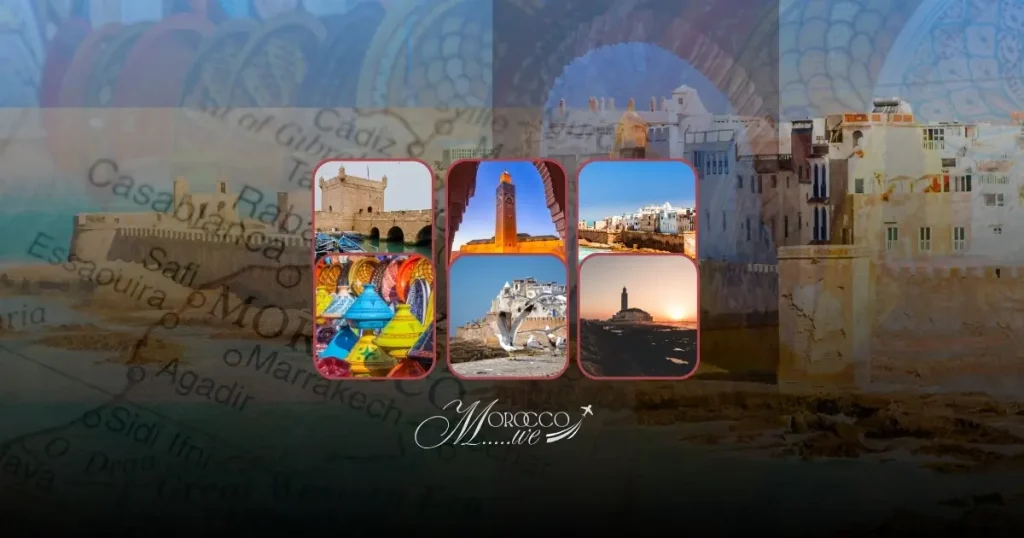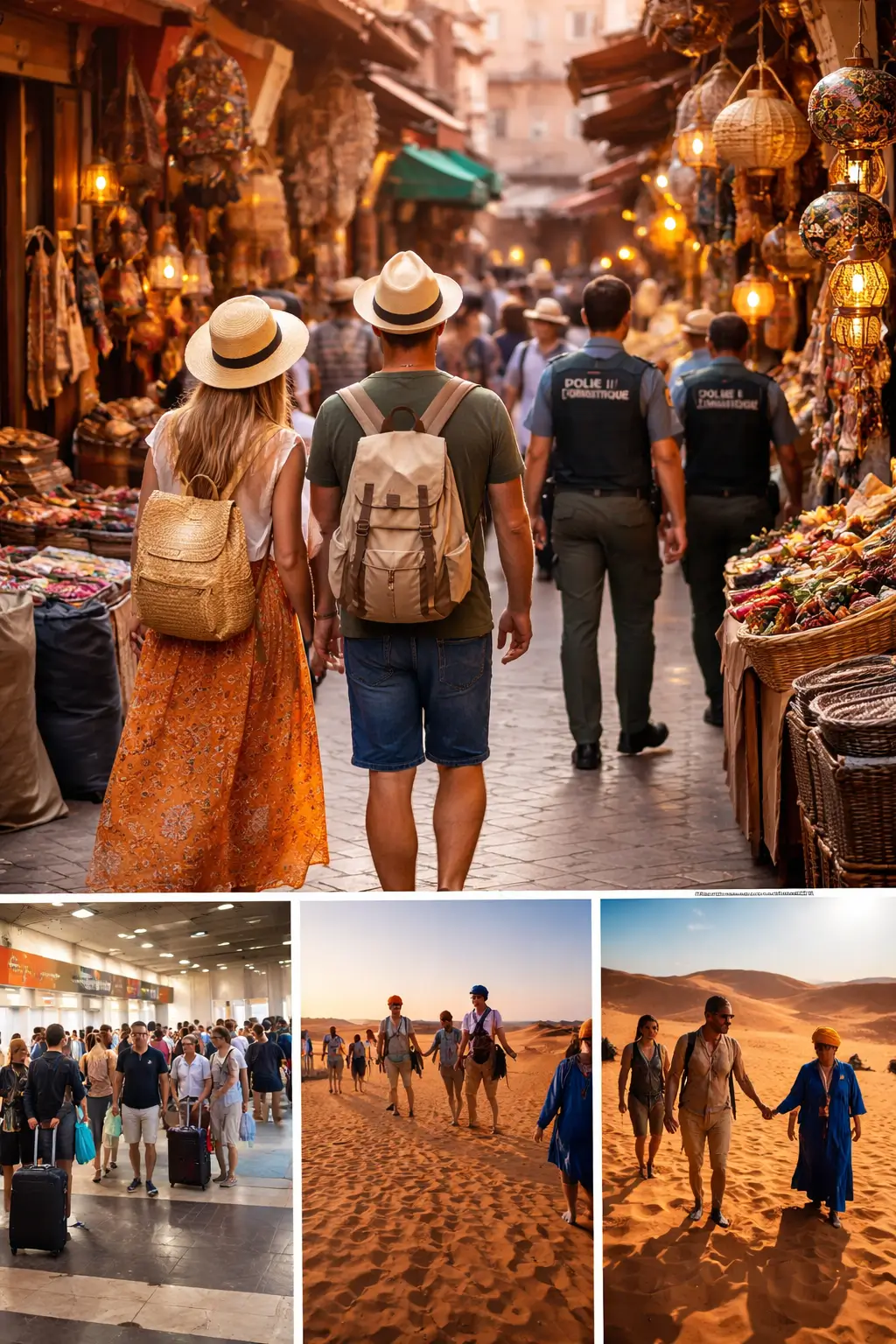
Morocco Airport arrival marks the beginning of one of the most extraordinary journeys you can experience — a gateway to ancient medinas, rose-filled valleys, sweeping Saharan dunes, and vibrant coastal cities alive with unmistakable energy. For many travelers preparing to travel to Morocco for the first time, excitement often comes with understandable questions about airport procedures, personal safety, local customs, and navigating a new destination. This guide is designed to remove those uncertainties and replace them with clarity and confidence, ensuring that from the moment you land at a Morocco airport, you feel informed, prepared, and ready to fully enjoy every remarkable experience that awaits across the country.
Morocco is a country of profound contrasts and breathtaking generosity. Its people are warm, its landscapes are dramatic, and its culture is one of the most layered and fascinating on the African continent. Whether you are planning to wander the labyrinthine souks of Marrakech, sip mint tea in a riad in Fez, surf the Atlantic waves near Essaouira, or sleep beneath a sky blazing with stars in the Sahara, your adventure begins the moment you land. Understanding what to expect at the airport, how to move through immigration and customs, and how to stay safe as you travel to Morocco will ensure that your journey begins on the strongest possible footing.
Why Millions of Travelers Choose to Go to Morocco Every Year
To truly understand why safety preparation matters, it helps to first understand the sheer scale and diversity of Morocco as a travel destination. Each year, millions of international visitors choose to go to Morocco, drawn by its remarkable blend of African, Arab, Berber, and European influences. The country hosts nine UNESCO World Heritage Sites, stretches from the Mediterranean coast in the north to the edges of the Sahara in the south, and offers everything from imperial cities to dramatic mountain ranges to pristine Atlantic beaches. Tourism is one of Morocco’s most vital industries, and the country has invested significantly in making the travel experience as safe, accessible, and enjoyable as possible for international visitors.
Morocco’s international airports are the gateways to all of this richness, and they are modern, well-organized, and designed to process large volumes of travelers efficiently. Still, as with any international destination, knowing what to expect — from the moment you arrive at the airport to the moment you check into your first accommodation — makes an enormous difference in your overall experience. The travelers who enjoy Morocco most are invariably those who arrive informed.
Arriving at Morocco’s Major International Airports
Morocco is served by a network of well-developed international airports spread across the country’s most important cities and tourist regions. Each airport has its own character and serves a different portion of the country, so understanding which airport best serves your itinerary is an important first step when you travel to Morocco.
Marrakech Menara Airport — Gateway to the Red City
Marrakech Menara International Airport (RAK) is the second busiest airport in Morocco and serves as the primary entry point for travelers heading to Marrakech, the Atlas Mountains, and the southern desert regions. The airport has undergone significant modernization in recent years and now features two main terminal buildings equipped with modern immigration facilities, currency exchange counters, baggage claim halls, and a range of dining and retail options. When you arrive at this airport, the process of clearing immigration is generally smooth, though during peak season — especially July, August, and the winter holiday period — queues can be lengthy. Arriving with all your documents prepared and easily accessible will significantly reduce your processing time.
Mohammed V International Airport — Casablanca’s Cosmopolitan Gateway
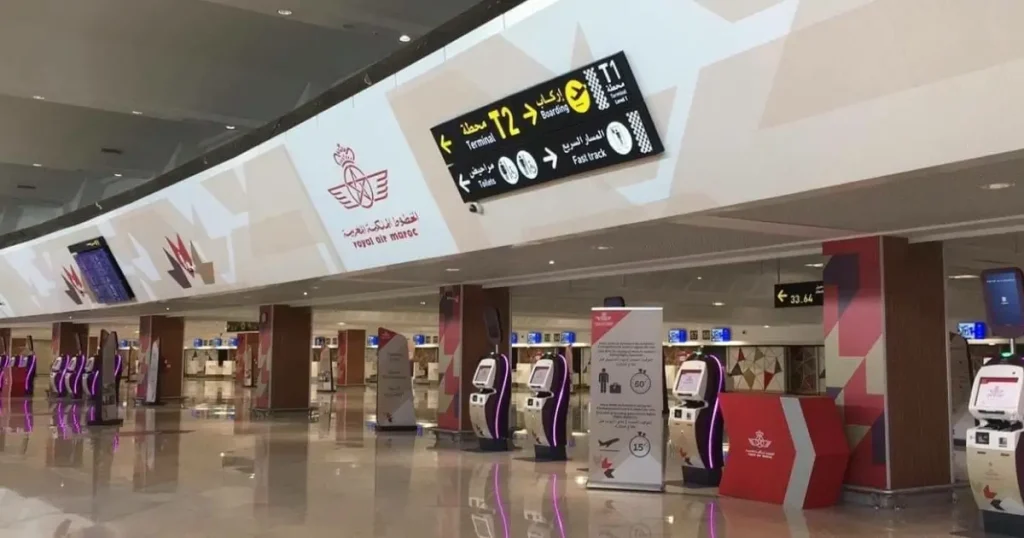
Mohammed V International Airport (CMN) in Casablanca is Morocco’s largest and busiest airport, handling the majority of the country’s long-haul international traffic. Located approximately 30 kilometers southeast of Casablanca city center, this airport is a hub for Royal Air Maroc and connects Morocco to destinations across Europe, North America, sub-Saharan Africa, and the Middle East. The airport features multiple terminals, an on-site train station connecting directly to Casablanca and Rabat, and a comprehensive range of passenger services. For travelers arriving from North America or long-haul destinations, this will typically be their first experience of a Moroccan airport, and it is generally a positive one — modern, clean, and well-signposted in both Arabic and French.
Fes–Saïss Airport and Other Regional Entry Points
Beyond Casablanca and Marrakech, Morocco operates a number of important regional airports including Fes–Saïss Airport (FEZ), Agadir Al-Massira Airport (AGA), Tangier Ibn Battuta Airport (TNG), and Essaouira–Mogador Airport (ESU). Each of these airports provides access to its respective region and is served by a combination of national and low-cost European carriers. Fes–Saïss is particularly popular with travelers heading to the ancient medina of Fez, one of the world’s best-preserved medieval cities. Agadir’s airport is the gateway to Morocco’s most developed beach resort area. Regardless of which airport you fly into, the basic entry procedures, safety standards, and traveler tips described in this guide apply equally to all of them.
Airport Procedures and Essential Traveler Tips for Morocco
One of the most common sources of anxiety when you travel to Morocco for the first time is uncertainty about airport procedures. The good news is that Moroccan airports follow largely standard international protocols, and with a little preparation, the entry process is entirely manageable. Understanding each stage — from disembarkation through to baggage collection and exiting the airport — will help you navigate the experience with ease.
Immigration and Passport Control: What You Need to Know
Upon arrival, all international travelers must pass through passport control before collecting their luggage. At Moroccan airports, immigration officers will check your travel document validity, stamp your passport, and may ask a few brief questions about the purpose and duration of your visit. Citizens of many countries — including the United States, Canada, the United Kingdom, most EU member states, and Australia — do not require a visa for stays of up to 90 days. However, it is your responsibility to verify the current visa requirements for your nationality before you travel to Morocco, as regulations can change. Always ensure your passport is valid for at least six months beyond your planned return date. Having your accommodation address in Morocco written down or saved on your phone can be helpful, as immigration officers occasionally ask for it.
Customs Declarations and Restricted Items
After collecting your luggage, you will pass through customs at the airport. Morocco operates a standard red/green channel system. The green channel is for travelers with nothing to declare — i.e., those carrying goods within the permitted allowances. The red channel is for those carrying goods that may be subject to duty or restrictions. Morocco has strict regulations regarding the import of certain items, including prescription medications (always carry a doctor’s letter for any controlled substances), large amounts of currency (amounts over 100,000 Moroccan dirhams or equivalent in foreign currency must be declared), and drone equipment (which requires prior authorization). Random baggage checks are common, particularly when entering from certain destinations, so pack sensibly and keep all receipts for high-value items.
Currency Exchange at the Airport: Tips for the Best Rates
All major Moroccan airports have currency exchange bureaus (often operated by Attijariwafa Bank or Banque Populaire) located in the arrivals hall. While the rates at airport bureaus are not typically the most competitive available, they are regulated and reliable, making them a sensible choice for obtaining an initial supply of Moroccan dirhams (MAD) to cover immediate expenses such as transportation and tips. Avoid exchanging large sums at the airport; once you reach your destination city, ATMs and city-center exchange bureaus generally offer better rates. Be aware that the Moroccan dirham is a closed currency — you cannot obtain dirhams outside of Morocco — so the airport bureau will be your first opportunity to acquire local currency.
Transportation from the Airport: Getting Around Safely
Once you have cleared immigration and customs at the airport, the next critical step is getting to your accommodation safely. This is an area where first-time travelers to Morocco can sometimes encounter difficulties, particularly around unauthorized taxi drivers. Being prepared and knowing your options in advance makes a significant difference.
Official Airport Taxis: How to Use Them Safely
Morocco has two types of official taxis: grand taxis (larger vehicles, often Mercedes-Benz) for longer journeys and inter-city routes, and petit taxis (smaller, metered city taxis) for shorter urban journeys. At most Moroccan airports, official grand taxis with fixed fares to the city center are available and represent the safest and most reliable option for airport transfers. These taxis are typically located in a designated taxi rank immediately outside the arrivals hall. Always use the official taxi rank — identifiable by signage and usually monitored by airport officials — and agree on the fare before departing, or ensure the driver uses the meter. Never accept unsolicited offers of transport inside the airport terminal from individuals who approach you; these unofficial arrangements frequently result in overcharging and potential safety concerns.
Airport Trains and Bus Services: Affordable and Reliable
Casablanca’s Mohammed V Airport is connected to the city center and Rabat by a direct train service operated by ONCF, Morocco’s national rail company. This train — known as the Casa Voyageurs service — departs from a station directly beneath the airport terminal building and is an excellent, safe, and affordable option for independent travelers. The journey to Casablanca city center takes approximately 35 minutes, and trains run at regular intervals throughout the day. For Marrakech Menara Airport, there is no direct train connection, but a reliable bus service (Alsa) operates between the airport and the city center. For Agadir, taxis remain the most practical airport transfer option. Researching the specific transport options available at your arrival airport before you travel to Morocco will save you significant time and uncertainty on arrival.
Ride-Hailing Apps: Modern Convenience for Morocco Airport Transfers
The digital transformation of transportation has reached Morocco, and ride-hailing applications are now available in the country’s major cities. Careem — a Middle East and North Africa-focused ride-hailing service — operates in several Moroccan cities including Casablanca, Marrakech, and Rabat, and can be pre-booked or hailed from the airport using the app. Using a ride-hailing service offers the significant advantage of price transparency (you see the fare before confirming the booking), GPS tracking, and driver accountability. For travelers with active local SIM cards or international roaming, this is an increasingly popular option. Download and configure the app before you travel to Morocco so you are ready to use it immediately upon arrival.
Safety Tips When Entering Morocco: First Impressions and First Precautions
Morocco is widely regarded as one of the safer countries in Africa for international tourists, and the Moroccan government takes visitor safety very seriously. That said, as with any travel destination, being aware of common risks and taking sensible precautions will significantly enhance your experience when you travel to Morocco. The period immediately after arriving at the airport — when you are tired, potentially disoriented, and visibly foreign — is the time when most travel incidents occur, so this is when heightened awareness pays the greatest dividends.
Navigating Unofficial Guides and Touts
One of the most frequently reported challenges by first-time travelers who go to Morocco is the persistence of unofficial guides and touts, particularly in and around the entrances to historic medinas. These individuals — sometimes called faux guides — will approach tourists and offer to guide them through the medina, often presenting themselves as helpful locals. While many are genuinely well-intentioned, others may lead travelers to specific shops or riads where they receive a commission. The best approach is to hire only licensed guides, bookable through your hotel or official tour operators. Be politely firm when declining unsolicited assistance, using a simple but clear refusal. In the context of airport arrivals, similar dynamics can arise with unauthorized baggage handlers or transport touts — always use official services.
Protecting Your Valuables in and Around the Airport
Petty theft, including bag-snatching and pickpocketing, does occur in Morocco’s busier tourist areas, and airport environments — particularly crowded arrivals halls — are not immune. The most effective precautions are also the simplest: keep your passport, travel documents, and the majority of your cash in a money belt or hidden pouch worn under your clothing. Do not place your phone on a café table or have it visibly in your hand while walking through crowded areas. Keep your camera strap around your neck or wrist. Use a secure, lockable backpack or travel bag for your carry-on luggage. Immediately upon arriving at the airport, keep your bags physically close to you and be particularly alert in the baggage reclaim area, which is often crowded and can be a target for opportunistic theft.
Travel Preparation Before You Go to Morocco: What to Do Before You Fly
The quality of your preparation before departure has a direct impact on the quality of your experience when you travel to Morocco. The travelers who encounter the fewest difficulties are almost always those who have done thorough research, organized their documents properly, and taken the time to understand the country they are visiting. Here are the essential preparation steps to complete before you go to Morocco.
Documentation, Insurance, and Health Preparation
Before you travel to Morocco, ensure that your passport is valid for at least six months beyond your intended return date and that you have photocopies of all critical documents — passport, visa (if applicable), travel insurance certificate, and flight itinerary — stored separately from the originals and also digitally in a secure cloud location. Comprehensive travel insurance is not optional; it is essential. Choose a policy that includes medical evacuation coverage, as healthcare facilities in rural areas of Morocco may be limited. Consult your doctor or a travel medicine clinic at least four to six weeks before departure to discuss any recommended vaccinations (Morocco does not require vaccinations for entry, but hepatitis A, typhoid, and tetanus updates are commonly recommended) and to obtain sufficient supplies of any prescription medications you require.
Language Preparation: A Little Goes a Long Way
Morocco’s official languages are Arabic and Amazigh (Berber), with French widely used in business, government, and tourism. In the northern regions, Spanish is also spoken. When you go to Morocco, making even a modest effort to use basic words of greeting and thanks in Moroccan Arabic (Darija) or French will be received with genuine warmth and will immediately establish positive rapport with the people you meet. Simple phrases such as ‘As-salamu alaykum’ (peace be upon you, a common greeting), ‘Shukran’ (thank you), and ‘La, shukran’ (no, thank you — invaluable for politely declining persistent vendors) can transform your interactions significantly. Download a translation app before you leave, and consider investing a few hours in a basic language-learning platform to acquire useful phrases.
Connectivity, Navigation, and Digital Preparation
Staying connected is both a safety measure and a practical necessity when you travel to Morocco. Morocco has good mobile network coverage across its major cities and tourist areas, with more limited coverage in remote mountain and desert regions. Upon arrival at the airport, you will find SIM card kiosks operated by Morocco’s main telecommunications providers — Maroc Telecom, Orange Maroc, and Inwi — in or near the arrivals hall. Purchasing a local SIM card is highly recommended for its combination of affordability and reliability. Before departure, download offline maps of Morocco’s major cities using apps such as Google Maps or Maps.me; these can be life-saving when you are navigating unfamiliar medina streets without reliable data coverage.
Tourist Safety Across Morocco’s Major Cities
Once you have cleared the airport and settled into your accommodation, your attention turns to enjoying Morocco’s magnificent cities safely. Each of Morocco’s major tourist destinations has its own distinct character, and understanding the specific safety considerations relevant to each will help you navigate them with confidence.
Safety in Marrakech: Navigating the Medina and Djemaa el-Fna
Marrakech is Morocco’s most visited city and the destination most often cited by travelers when they describe both the exhilarating highs and occasional frustrations of a Moroccan visit. The city’s historic medina — a UNESCO World Heritage Site — is a labyrinth of over 1,500 streets, and getting lost here is not so much a risk as it is an inevitability and, for most visitors, a delight. The central square of Djemaa el-Fna is one of the world’s great public spaces, transforming from a market by day to an open-air theatre of food stalls, musicians, and storytellers by night. However, both the medina and the square attract pickpockets in proportion to their visitor numbers. Keep your belongings secure, be cautious around individuals who offer unexpected gifts (often followed by a demand for payment), and trust your instincts if a situation feels uncomfortable.
Safety in Fez: The Ancient City and Its Winding Alleys
Fez is Morocco’s spiritual and intellectual capital, home to the world’s oldest university and one of the most extraordinary medieval urban environments on the planet. Fes el-Bali, the ancient walled city, contains over 9,000 alleyways, many too narrow for motor vehicles, and navigating it without local knowledge is genuinely challenging. Hiring a licensed guide for your first exploration of the medina is strongly recommended — not only for safety but for the incredible depth of knowledge a good guide can provide. The tanneries of Fez, where leather has been processed for over a thousand years using traditional methods, are one of the city’s iconic sights and attract significant visitor traffic; keep your group together and be aware of your surroundings.
Safety in Casablanca, Essaouira, and the Atlantic Coast
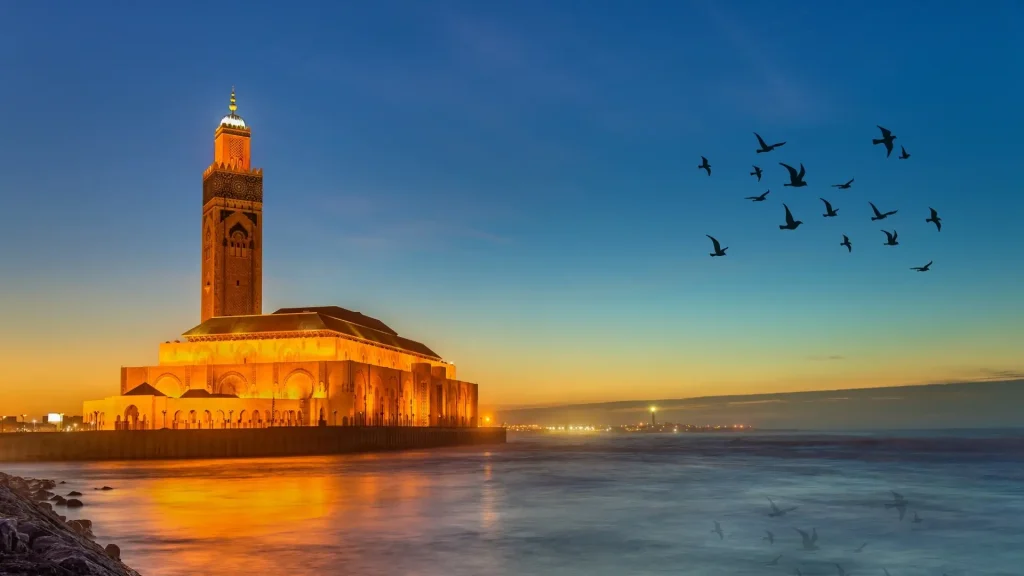
Casablanca is Morocco’s commercial capital and its most cosmopolitan city — a sprawling, dynamic metropolis that feels considerably more familiar to Western visitors than the ancient medinas further inland. The city’s Art Deco architecture, vibrant restaurant scene, and the breathtaking Hassan II Mosque — one of the largest mosques in the world, built dramatically over the Atlantic Ocean — make it well worth exploring. Safety standards in Casablanca are broadly comparable to those of any large European city. Essaouira, Morocco’s laid-back Atlantic port city, is widely considered one of the safest and most relaxed destinations for foreign visitors; its ramparts, blue fishing boats, and distinctive wind-worn architecture create an atmosphere that is more tranquil and unhurried than the major imperial cities.
Morocco Travel Safety Checklist: Before You Go and After You Arrive
Before You Travel to Morocco — Pre-Departure Essentials:
- Verify passport validity (minimum 6 months beyond return date) and make certified photocopies
- Check current visa requirements for your nationality and apply if necessary
- Purchase comprehensive travel insurance including medical evacuation coverage
- Consult a travel medicine clinic about recommended vaccinations (hepatitis A, typhoid, tetanus)
- Obtain sufficient supplies of all prescription medications with accompanying doctor’s letters
- Register your travel with your country’s foreign affairs department (e.g., STEP for US citizens)
- Research your arrival airport and pre-book or identify your transport options to accommodation
- Download offline maps of your destination cities and a translation app
- Notify your bank of international travel to prevent card blocks
- Exchange a small amount of currency before departure if possible, or plan to use the airport bureau
- Research cultural norms, including dress codes for religious sites and appropriate behaviour in medinas
- Pack a first aid kit including any personal medications, sunscreen, and water purification tablets
At the Airport — Arrival Safety Tips:
- Keep passport, boarding pass, and customs declaration form accessible but secure throughout the airport process
- Use only official currency exchange counters at the airport; avoid informal exchange offers
- Collect your luggage promptly and keep all bags within your field of vision at all times
- Use only official taxi ranks or pre-booked transfers; decline all unsolicited transport offers
- Agree on fares before entering any taxi, or confirm that the meter will be used
- Purchase a local SIM card at the airport kiosk for immediate connectivity
- Keep your phone charged (portable power banks are invaluable) for maps and communication
- Do not display expensive jewellery, watches, or camera equipment prominently upon exiting the terminal
During Your Stay in Morocco — Ongoing Safety Practices:
- Carry photocopies of your passport rather than the original when exploring; store the original securely
- Use hotel or riad safes for passports, spare cash, and valuables
- Share your daily itinerary with a trusted contact back home
- Dress respectfully, particularly when visiting mosques, souks, or traditional neighbourhoods
- Drink bottled water exclusively and be cautious with street food during initial adjustment days
- Trust your instincts; if a situation feels wrong, remove yourself from it without hesitation
- Keep a note of your accommodation address in Arabic for taxi drivers
- Have the local emergency number (19 for police, 15 for medical emergencies) saved on your phone
Essential Advice for First-Time Visitors to Morocco
Beyond the practical safety considerations, there is a broader wisdom that experienced Morocco travelers universally share: the country rewards those who approach it with patience, openness, and genuine curiosity. Morocco operates on its own rhythm, and trying to impose a rigid Western pace on its ancient cities is a recipe for frustration. Allow yourself to get lost. Accept an invitation for tea. Bargain at the souk with good humor rather than adversarial intensity. These are the moments that become the memories you carry home.
Understanding Local Customs and Cultural Respect
Morocco is a Muslim-majority country, and cultural respect goes hand in hand with personal safety. Dressing modestly — covered shoulders and knees for both men and women — is not merely recommended for visits to mosques and religious sites; it is also simply courteous and will significantly reduce unwanted attention in traditional neighbourhoods. During the holy month of Ramadan, eating, drinking, or smoking in public during daylight hours is considered disrespectful and should be avoided. Public displays of affection between unmarried couples may attract negative attention, particularly in smaller cities and rural areas. Being mindful of these cultural norms is not about compromising your identity; it is about demonstrating the respect that enables meaningful cross-cultural exchange.
Advice for Women Traveling to Morocco Independently
Many thousands of women travel to Morocco independently every year and have profoundly positive experiences. However, it would be disingenuous not to acknowledge that female travelers, particularly those traveling solo, may encounter a higher frequency of unsolicited attention or verbal approaches than in some other destinations. The most effective strategies are those recommended by experienced female Morocco travelers: walk with purpose and confidence, make eye contact only deliberately, respond to persistent attention firmly but without aggression, and consider joining organized day tours for specific activities such as desert excursions or remote mountain hikes. Choosing centrally located, well-reviewed accommodations in the heart of the medina or in purpose-built tourist areas provides an additional layer of security and social support.
Frequently Asked Questions: Travel to Morocco Airport Safety
Is it safe to travel to Morocco as a first-time visitor?
Yes. Morocco is consistently rated as one of the safer travel destinations in Africa and the broader Middle East and North Africa region. The country has a well-developed tourist infrastructure, a visible and responsive police presence in major tourist areas, and a strong economic interest in ensuring that visitors have positive and safe experiences. Millions of tourists go to Morocco each year without incident. As with all international travel, exercising common sense, being aware of your surroundings, and following the practical guidelines in this article will minimize any risks.
What should I expect when I arrive at a Morocco airport for the first time?
When you arrive at a Morocco airport, you will proceed through passport control, where your travel documents will be checked and stamped. You will then collect your luggage and pass through customs. After exiting the arrivals hall, you will find currency exchange counters, SIM card kiosks, and the official taxi rank. The process is broadly similar to arriving at any modern international airport, and English-language signage is increasingly common, supplementing the standard Arabic and French. The entire process from disembarkation to exiting the airport typically takes between 30 and 75 minutes depending on the time of year and the volume of arriving passengers.
What is the best way to get from Morocco airport to the city center?
The best option depends on which airport you are arriving at. Casablanca’s Mohammed V Airport has a direct train service to the city center, which is fast, affordable, and highly recommended. Marrakech Menara Airport is served by official taxis and the Alsa bus service. Agadir and Fez airports are primarily served by official taxis. At all airports, using only the official taxi rank, agreeing on a fare before departure, and avoiding unsolicited transport offers from individuals inside the terminal are the key safety principles to observe.
Do I need a visa to go to Morocco?
Citizens of many countries — including the United States, Canada, the United Kingdom, Australia, and most EU member states — do not require a visa for stays of up to 90 days in Morocco. However, visa requirements vary by nationality and are subject to change, so it is essential to check the current requirements with the Moroccan Embassy or consulate serving your country of residence well before you travel to Morocco. Always ensure that your passport is valid for at least six months beyond your intended return date, as this is a standard requirement at Moroccan immigration.
What currency should I bring when I travel to Morocco?
Morocco’s official currency is the Moroccan Dirham (MAD). The dirham is a closed currency, meaning it cannot be purchased outside of Morocco. When you arrive at the airport, you can exchange Euros, US Dollars, British Pounds, and most major international currencies at official airport exchange bureaus. For the best exchange rates, use ATMs or city-center exchange bureaus once you reach your destination. Euros are particularly well-accepted at Moroccan exchange bureaus and generally attract favorable rates. Credit and debit cards are accepted at hotels, larger restaurants, and some shops, but carrying an adequate supply of cash is advisable for markets, small restaurants, and rural areas.
What health precautions should I take before going to Morocco?
Morocco does not require proof of vaccination for entry, but several vaccinations are commonly recommended for travelers, including hepatitis A, typhoid, and tetanus. For extended travel in rural areas, hepatitis B and rabies vaccines may also be considered. Consult a travel medicine clinic or your doctor at least four to six weeks before you go to Morocco. During your stay, drink only bottled or filtered water and be cautious with raw fruits and vegetables that may have been washed in tap water. Bring a well-stocked personal first aid kit including any prescription medications, sunscreen, insect repellent, and oral rehydration salts. Comprehensive travel insurance with medical evacuation coverage is strongly recommended.
What are the most important safety tips for exploring Morocco’s medinas?
The medinas of Marrakech, Fez, Meknes, and Chefchaouen are among the most extraordinary historic environments in the world, and they are entirely safe to explore with appropriate precautions. Hire a licensed guide for your first exploration to establish your bearings and gain invaluable local knowledge. Keep your belongings secure and avoid displaying expensive items. Be politely but firmly decisive when declining the approaches of unofficial guides or persistent vendors. Know your accommodation’s address in Arabic so you can show it to a taxi driver if you become disoriented. Carry a fully charged phone with offline maps downloaded. And most importantly, approach the medina with the spirit of adventure and wonder that it deserves — because there are few places on earth more magnificent.
Conclusion: The Journey of a Lifetime Awaits — Travel to Morocco with Confidence
Morocco is not merely a destination — it is an experience that changes you. From the moment you step off the plane and into a Moroccan airport, you are entering a world of extraordinary sensory richness, profound historical depth, and a culture of hospitality that has endured for millennia. The scent of orange blossom drifting across a moonlit riad courtyard. The first sight of the Sahara unfolding to the horizon at sunrise. The sound of the call to prayer echoing across the tiled rooftops of Fez. These are moments that no amount of reading can adequately prepare you for — they can only be lived.
The practical knowledge in this guide — from navigating arrival procedures at the airport to understanding transportation options, from following safety best practices to respecting local culture — exists for one purpose: to free you to be fully present for the wonder of it all. When you go to Morocco prepared, informed, and open-hearted, you will find that the country more than meets you halfway. Its people will welcome you with a warmth that is genuine and generous. Its landscapes will exceed your imagination. Its cities will captivate and confound and ultimately enchant you in ways you will spend years trying to articulate to people who have not yet made the journey.
So take the leap. Pack your bags thoughtfully. Do your preparation diligently. Book your airport transfer in advance. And then surrender yourself to the profound, intoxicating, humbling, joyful, beautiful experience of Morocco. Travel to Morocco is not just a holiday — it is a story you will tell for the rest of your life. And it begins the moment you land.