Destination Overview > Merzouga is not just a destination—it’s a threshold between two worlds. Nestled on the edge of the Erg Chebbi dunes in southeastern Morocco, this small desert village has become synonymous with the ultimate Saharan experience. When travelers dream of Morocco, they envision labyrinthine medinas, aromatic spice markets, and endless golden dunes stretching toward infinity. Merzouga delivers that final piece of the Moroccan puzzle with breathtaking authenticity. Here, the Sahara Desert isn’t merely a backdrop; it’s the main character in an unforgettable adventure where camel caravans traverse towering sand mountains, Berber camps glow under impossibly starry skies, and silence becomes a language of its own. Whether you’re seeking spiritual solitude, photographic perfection, or the raw thrill of desert exploration, travel to Merzouga promises an experience that transcends typical tourism and touches something primal within the soul.
Why Visit Merzouga Morocco
The question isn’t why you should visit Merzouga Morocco—it’s why you’ve waited this long. This remote village represents one of the most accessible and spectacular Sahara Desert experiences available anywhere in North Africa, offering authenticity without sacrificing comfort or safety. Unlike touristy coastal cities, Merzouga maintains its genuine character, where hospitality isn’t performed but genuinely lived by Berber families who’ve called these desert edges home for generations. The Erg Chebbi dunes, rising up to 150 meters high and stretching over 50 kilometers, create a dramatic landscape that shifts color throughout the day—from pale gold at sunrise to deep amber at midday, finishing with rich copper tones as the sun sets. This natural spectacle alone justifies the journey, but Merzouga offers so much more.
Morocco tourism has experienced tremendous growth, yet Merzouga remains refreshingly uncommercialized compared to Marrakech or Fes, providing travelers with authentic cultural encounters that feel personal rather than staged. The village serves as a perfect base for exploring traditional nomadic lifestyles, with opportunities to share mint tea with Berber families, learn about desert survival techniques, and understand how ancient trade routes shaped Moroccan identity. For adventure seekers, the desert environment offers sandboarding down massive dunes, quad biking across moon-like landscapes, and 4×4 excursions to hidden oases. Photographers find endless inspiration in the interplay of light, shadow, and sand formations that change hourly. Meanwhile, those seeking wellness discover unexpected peace in desert silence, where the absence of modern distractions creates space for reflection and rejuvenation that’s increasingly rare in our hyperconnected world.
Top Attractions in Merzouga
When you visit Merzouga Morocco, the Erg Chebbi dunes naturally dominate your itinerary as the crown jewel of the region. These magnificent sand formations create an otherworldly landscape that seems transported from Arabian legends, offering the quintessential Sahara experience most travelers envision. The best way to appreciate their scale and beauty involves watching both sunrise and sunset from different vantage points—mornings bring cool temperatures and soft light that photographers treasure, while evenings deliver dramatic color transformations as the sun dips below the sandy horizon. Beyond the dunes themselves, several remarkable attractions deserve attention during your Merzouga travel guide adventure.
Khamlia village, located just seven kilometers from Merzouga, offers profound cultural enrichment through its Gnawa music heritage. This community, descended from sub-Saharan African slaves who traveled ancient trade routes, preserves distinctive musical traditions combining spiritual rhythms with hypnotic chants. Visiting Khamlia allows travelers to experience authentic performances in intimate settings, often accompanied by traditional sweet tea ceremonies that embody Saharan hospitality. The experience transcends entertainment, offering insight into Morocco’s diverse cultural tapestry often overlooked in mainstream tourism narratives.
Dayet Srji, a seasonal salt lake situated between Merzouga and Hassilabied, transforms into an unexpected desert oasis during wetter months, attracting migratory flamingos and numerous bird species that create striking contrasts against the arid surroundings. Birdwatchers and nature photographers find this hidden gem particularly rewarding during spring and early summer when wildlife activity peaks. Even during dry periods, the lake bed’s cracked salt patterns create fascinating geological formations worth exploring.
The abandoned village of Mifis provides historical context and haunting beauty just a short distance from modern Merzouga. This former mining settlement, once bustling with galena and lead extraction, now stands as a ghost town where crumbling kasbahs tell stories of boom-and-bust economics that shaped desert communities. Exploring Mifis offers adventurous travelers a glimpse into Morocco’s industrial past while providing exceptional photo opportunities among weathered architecture gradually reclaimed by desert sands.
Best Things to Do in Merzouga
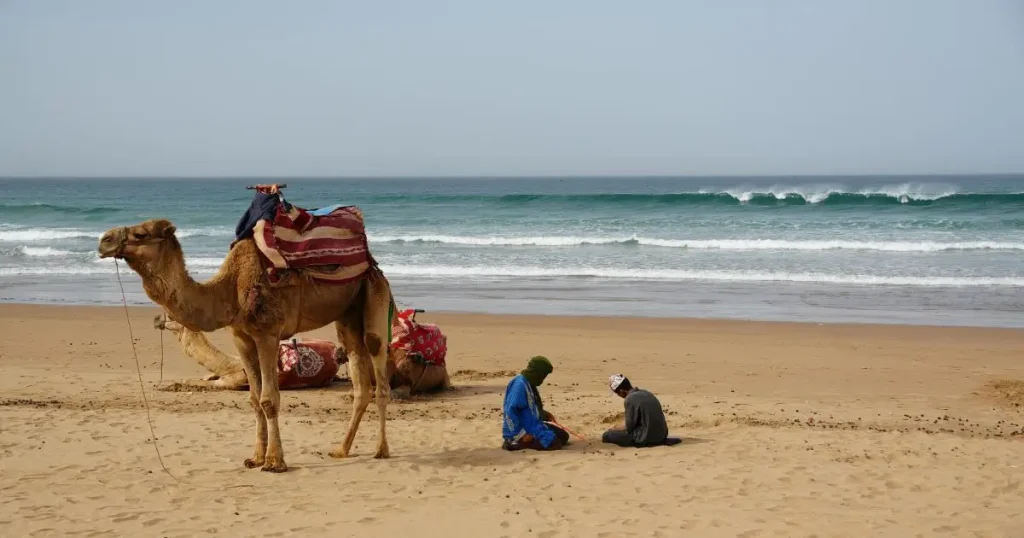
The things to do in Merzouga extend far beyond passive sightseeing, engaging travelers in active experiences that create lasting memories. Camel trekking remains the quintessential Merzouga activity, and for good reason—there’s something profoundly meditative about swaying atop these gentle creatures as they navigate dunes with centuries-old expertise. Most camel expeditions depart in late afternoon, timed perfectly to reach desert camps as sunset paints the landscape in extraordinary colors. These treks range from brief two-hour excursions to multi-day adventures deeper into the Sahara, with overnight camping being particularly popular among those wanting the complete desert immersion experience.
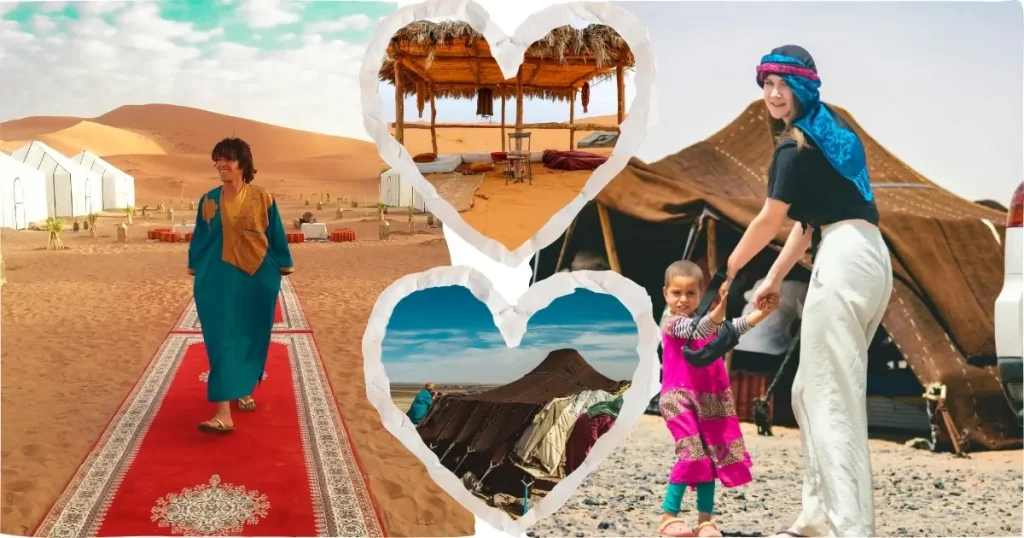
Desert camping in traditional Berber tents represents a highlight of any Merzouga travel guide itinerary. These camps range from basic authentic setups to luxurious “glamping” options featuring comfortable beds, private bathrooms, and gourmet meals, yet all share the magical experience of sleeping under Saharan stars. The night sky in Merzouga, unpolluted by artificial light, reveals the Milky Way in stunning clarity, with shooting stars so frequent you’ll stop making wishes. Evening entertainment typically includes traditional drumming around campfires, creating rhythms that seem to summon the desert’s ancient spirit.
For adrenaline enthusiasts, sandboarding down the steep faces of Erg Chebbi dunes delivers exhilarating thrills comparable to snowboarding but with softer landings. Local guides provide boards and identify the best dunes for sliding, with some slopes offering runs of several hundred meters. Quad biking and 4×4 desert tours offer alternative ways to explore the landscape, reaching remote locations including fossil beds where ancient marine creatures testify to the Sahara’s watery past, and nomadic settlements where traditional lifestyles continue despite modern pressures.
Sunrise experiences deserve special mention among best places in Merzouga activities. Waking before dawn to climb a tall dune and watch the sun illuminate the desert requires early effort but rewards you with transcendent moments as temperature shifts create atmospheric effects, light gradually reveals infinite sand textures, and silence broken only by wind whispers creates meditative peace that resets your entire perspective on time and space.
Local Culture and Authentic Experiences
Understanding Merzouga requires appreciating the Berber (Amazigh) culture that defines this region’s identity. The local population maintains traditions passed through generations, where hospitality isn’t merely courtesy but sacred duty. Accepting invitations to share tea with Berber families opens windows into daily desert life that organized tours can’t replicate. These encounters often happen spontaneously—a shopkeeper might invite you behind his store to meet his mother, or a guide might suggest visiting his family’s home after your camel trek. Such moments reveal the genuine warmth characteristic of Morocco cultural travel experiences, where strangers quickly become friends through shared stories and sweet mint tea poured from impressive heights.
Traditional Berber music and dance performances offered at desert camps and in Khamlia village showcase artistic expressions deeply connected to Saharan spirituality and history. The Gnawa music tradition particularly stands out, with its distinctive three-stringed guembri instrument, metal castanets called qraqeb, and trance-inducing rhythms originally developed as spiritual healing ceremonies. Participating in these musical gatherings—even just clapping along—connects you to cultural continuities stretching back centuries along trans-Saharan trade routes.
Textile traditions remain vital to Berber identity, with women weaving intricate carpets and rugs using techniques unchanged for generations. Several cooperatives in and around Merzouga welcome visitors to observe the weaving process, explaining symbolic patterns and natural dyes derived from desert plants and minerals. Purchasing directly from these artisans ensures fair prices while supporting traditional crafts threatened by mass production. The carpets themselves tell stories through geometric designs, with each pattern carrying meanings related to fertility, protection, or desert landscapes.
Language presents another cultural dimension worth engaging. While French and increasingly English are spoken in tourist contexts, learning basic Berber phrases—”azul” for hello, “tanmirt” for thank you—demonstrates respect that locals genuinely appreciate. Many guides happily teach visitors desert-specific vocabulary, from names for different sand formations to traditional methods of navigation using stars and wind patterns that guided nomadic ancestors across this unforgiving terrain.
Traditional Food and Culinary Experiences
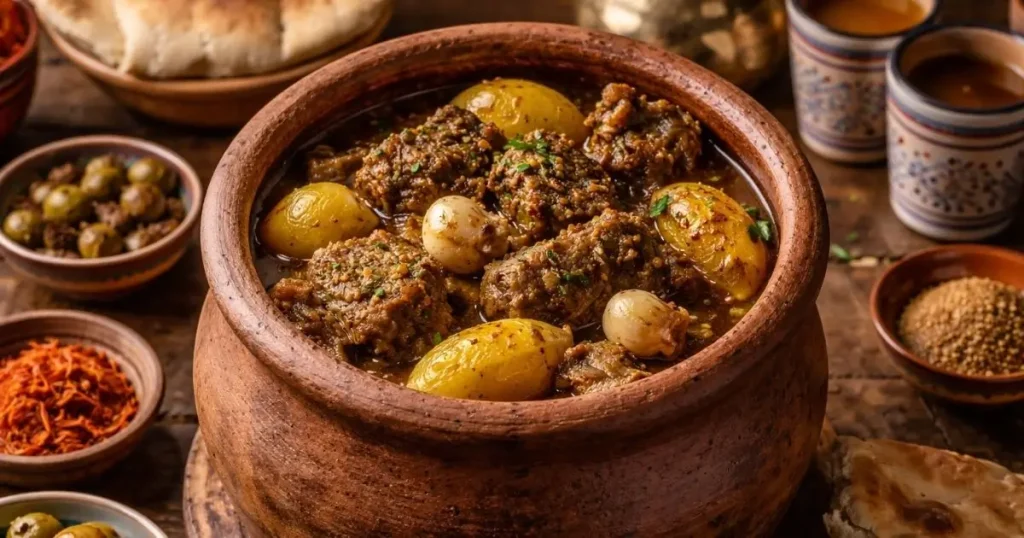
Morocco’s culinary reputation precedes it, and while Merzouga may seem remote, the food experiences here rival anywhere in the country, often enhanced by authentic preparation methods and desert-specific ingredients. Tajine, Morocco’s iconic slow-cooked stew, tastes particularly special when prepared in desert camps using traditional clay pots buried in hot sand. Common variations include chicken with preserved lemons and olives, lamb with prunes and almonds, or vegetarian options featuring seasonal vegetables and aromatic spices. The cooking method, using charcoal heat and patient timing, develops flavors impossible to replicate in conventional kitchens.
Berber pizza, or medfouna, offers a uniquulous regional specialty—a stuffed flatbread filled with spiced meat, vegetables, and herbs, then cooked in sand ovens. This hearty dish originated as nomadic convenience food, portable and filling for long desert journeys, but today represents comfort food locals and travelers alike crave. Watching its preparation, from dough kneading to sand-burial cooking, provides fascinating insight into traditional desert cuisine adapted to environmental constraints.
Breakfast in Merzouga typically features msemen (flaky square pancakes), fresh bread, various jams, honey, and amlou—a delicious spread made from argan oil, almonds, and honey that delivers energy for desert adventures. Fresh orange juice and endless mint tea accompany meals throughout the day, with tea service itself being ceremonial. The preparation involves precise techniques: green tea steeped with fresh mint and copious sugar, poured from height to create foam, served in small glasses that somehow stay hot despite the desert heat.
Desert camps and local guesthouses often invite guests to participate in meal preparation, teaching travelers to shape couscous by hand, layer tajine ingredients properly, or achieve the perfect tea-pouring arc. These hands-on experiences transform dining from passive consumption into cultural education, creating skills and memories you’ll carry home long after your trip ends. Markets in Merzouga, though smaller than urban souks, still offer opportunities to explore spice stalls explaining ras el hanout blend complexities, date varieties from nearby oases, and local honey praised for medicinal properties attributed to unique desert flowers.
Best Time to Visit Merzouga
Timing your visit Merzouga Morocco correctly dramatically impacts your experience, as desert climates create extreme seasonal variations. The optimal periods fall during spring (March through May) and autumn (September through November), when temperatures remain comfortable for outdoor activities while avoiding summer’s brutal heat and winter’s surprisingly cold nights. Spring brings the additional advantage of occasional rainfall transforming Dayet Srji lake into a flamingo habitat, while wildflowers briefly carpet areas around the dunes in unexpected color. Daytime temperatures during these shoulder seasons hover between 20-28°C (68-82°F), perfect for camel trekking, hiking, and exploration, with evenings cool enough to make campfires genuinely pleasant rather than purely atmospheric.
Summer months (June through August) test even experienced desert travelers with temperatures regularly exceeding 45°C (113°F), making midday activities genuinely dangerous. However, summer does offer advantages for specific travelers: significant price reductions on accommodations and tours, fewer crowds allowing more intimate experiences, and for those who can tolerate heat, a more authentic sense of the Sahara’s harsh majesty. If visiting during summer, plan activities for early morning and late evening, rest during peak heat hours, and stay meticulously hydrated. Many travelers underestimate desert dehydration risks, so carrying and consuming water becomes non-negotiable during hot months.
Winter (December through February) surprises many visitors expecting year-round warmth. While days often remain pleasant at 15-20°C (59-68°F), nights can drop near or below freezing, occasionally even bringing rare snowfall to dune crests—a surreal sight that creates extraordinary photo opportunities. Winter camping requires quality sleeping bags and extra blankets, though most camps provide adequate bedding. The crystalline winter air creates exceptional visibility for stargazing, with some arguing winter skies surpass other seasons despite the cold discomfort.
Consider also cultural events when planning your Morocco desert and city tours. The Merzouga International Festival of Erg Chebbi Music, typically held in April, brings together musicians from across the Sahara region for three days of performances celebrating desert musical traditions. This event offers cultural immersion opportunities unavailable during regular visits, though accommodation prices increase and advance booking becomes essential.
Travel Tips and Safety Information
Merzouga ranks among Morocco’s safest destinations, with crime rates negligible and locals genuinely invested in protecting their tourism reputation. However, the desert environment itself presents challenges requiring preparation and respect. Hydration cannot be overstated—the dry climate causes moisture loss even when you don’t feel particularly hot or thirsty, so drink water constantly throughout the day. Sunscreen with high SPF protection, wide-brimmed hats, and sunglasses become essential equipment rather than optional accessories, as desert sun reflects off sand creating intensified exposure from multiple angles.
Dress appropriately by respecting both cultural norms and practical considerations. Loose, lightweight, long-sleeved clothing protects skin from sun while showing cultural sensitivity in this conservative region. Women should pack headscarves useful for sun protection, sandstorm defense, and covering shoulders when visiting local homes. Closed-toe shoes prove more practical than sandals for dune walking, preventing sand burns and providing ankle support on steep slopes.
Money matters require planning since Merzouga has limited banking infrastructure. Bring sufficient cash (Moroccan dirhams) from larger cities, as ATMs are scarce and not always functional. Many establishments accept euros, but exchange rates favor those paying in local currency. Credit cards work at larger hotels and some tour operators, but assume cash-only for most transactions including camps, restaurants, and souvenir purchases.
Health precautions remain standard for Morocco travel—drink bottled water, eat at busy restaurants where food turnover ensures freshness, and pack basic medications including anti-diarrheal treatments, pain relievers, and any prescription medicines with extra supplies in case of delays. Travel insurance covering medical evacuation provides peace of mind given Merzouga’s remoteness from major hospitals.
Choose tour operators and guides carefully, prioritizing those with established reputations over cheapest options. Quality guides enhance experiences immeasurably through knowledge, safety consciousness, and cultural connections that transform good trips into extraordinary ones. Read recent reviews, ask detailed questions about camp facilities and itinerary specifics, and confirm what’s included versus additional costs. Reputable operators transparently discuss all aspects and never pressure immediate bookings.
Nearby Destinations Worth Visiting
Merzouga’s remote location actually positions it perfectly for exploring southeastern Morocco’s hidden treasures, making it ideal for Morocco vacation experience planning that extends beyond dunes alone. Rissani, just 35 kilometers north, offers authentic Moroccan market experiences without tourist crowds. This ancient city once served as the capital of Tafilalt, a region historically controlling trans-Saharan trade routes. Today, Rissani’s massive souk, operating on traditional market days (Sunday, Tuesday, and Thursday), brings together Berber traders from surrounding villages selling everything from livestock to spices, creating sensory overload and cultural immersion. The town also contains significant historical sites including the Mausoleum of Moulay Ali Sherif, founder of Morocco’s current ruling dynasty.
Erfoud, approximately 50 kilometers from Merzouga, has earned fame for fossil discoveries and marble production. Several workshops welcome visitors to observe fossil preparation processes, where ancient marine creatures preserved in stone are carefully revealed through skilled cutting and polishing. These make distinctive souvenirs, though verify authenticity and negotiate prices. Erfoud also hosts the annual Date Festival each October, celebrating the region’s crucial palm grove harvests with music, dancing, and abundant date sampling.
The Todra Gorge, roughly 150 kilometers northwest of Merzouga, ranks among Morocco’s most spectacular natural formations. Limestone cliffs rising 300 meters create a narrow canyon where the Todra River carved through rock over millennia. The gorge attracts rock climbers internationally while casual visitors enjoy walking through the canyon’s shaded depths, marveling at geological forces and permanent Berber villages clinging to cliffsides. Combining Merzouga with Todra Gorge creates diverse Morocco travel destinations experiences balancing desert and mountain landscapes.
The Draa Valley, stretching between the Atlas Mountains and Sahara, offers one of Morocco’s most scenic drives, passing through countless kasbahs, palm groves, and ancient fortified villages. While reaching the valley requires longer travel from Merzouga, those with time find the journey extraordinarily rewarding, particularly around Zagora and the Ait Benhaddou UNESCO World Heritage site. Many travelers design circuits connecting Marrakech, Draa Valley, Merzouga, Todra Gorge, and Fes, creating comprehensive southern Morocco explorations.
Where to Stay in Merzouga
Accommodation options in Merzouga span remarkably diverse categories, from authentic desert camps to comfortable hotels, ensuring suitable choices for various budgets and preferences. Desert camps divide into traditional and luxury categories, with traditional camps offering genuine Berber tent experiences—simple but clean, with shared bathroom facilities and authentic atmospheres that prioritize experience over amenities. Luxury desert camps, increasingly popular, provide private en-suite tents with proper beds, electricity, hot showers, and gourmet meals, essentially offering hotel comfort in stunning locations among the dunes. These premium options suit travelers wanting the desert camping experience without sacrificing comfort, particularly appealing for older visitors or families with children.
Village-based accommodations include riads (traditional Moroccan houses built around interior courtyards), guesthouses, and small hotels that provide convenient bases for desert excursions while offering reliable amenities like Wi-Fi, heating, and air conditioning. Many family-run guesthouses deliver exceptional value, combining comfortable rooms with home-cooked meals and personalized service from hosts genuinely passionate about sharing their desert homeland. These establishments often arrange all desert activities, making planning effortless.
Location considerations matter less in Merzouga than in larger cities since everything remains close. However, accommodations directly facing Erg Chebbi dunes offer the advantage of walking directly onto sand for sunrise viewings or spontaneous evening strolls, while village-center locations provide easier access to restaurants and shops. Many travelers combine both, spending their first night in a comfortable hotel, then transferring to desert camps for the classic overnight experience before returning to hotel comfort afterward.
Booking timing depends on season—winter and shoulder seasons allow flexibility for walk-in bookings and last-minute arrangements, while peak season (especially March-April and October-November) requires advance reservations to secure preferred accommodations. During the Erg Chebbi Music Festival, book months ahead or face limited availability and inflated prices.
How to Reach Merzouga
Reaching Merzouga requires commitment given its remote location, but the journey itself becomes part of the adventure, revealing Morocco’s diverse landscapes and authentic character often missed by coastal tourists. No direct flights serve Merzouga, so travelers combine air travel with substantial ground transportation. Most international visitors fly into Marrakech or Fes, then continue by road—approximately 560 kilometers from Marrakech (9-10 hours) or 470 kilometers from Fes (7-8 hours). While long, these drives traverse the spectacular Atlas Mountains, passing through dramatic gorges, traditional Berber villages, and constantly changing scenery that rewards patience.
Organized tours represent the most popular option, with countless operators offering multi-day desert tours from Marrakech or Fes that include transportation, accommodations, meals, and guided sightseeing along the route. Three-day/two-night tours provide the minimum viable timeframe, allowing one full day for desert activities, though four-day/three-night itineraries offer better pacing without constant rushing. These organized options work well for first-time Morocco visitors, solo travelers, or those wanting hassle-free experiences with knowledgeable guides handling logistics.
Private transportation offers flexibility unavailable in group tours, allowing custom itineraries, spontaneous stops, and personal pacing. Hiring private drivers with vehicles costs more than group tours but makes sense for families, couples wanting romance, or photographers needing flexibility for optimal lighting conditions. Rental cars provide maximum independence for confident drivers comfortable navigating Morocco’s roads—generally well-maintained highways, though mountain sections include hairpin turns requiring attention. GPS functions reasonably well, though confirming routes with locals helps avoid occasional mapping errors.
Public transportation exists via CTM or Supratours buses from major cities, offering budget-friendly options for adventurous travelers. Buses require longer journey times with multiple stops, and schedules may be infrequent, but they provide authentic local travel experiences and cost fractions of private alternatives. This option suits backpackers, budget travelers, or those specifically seeking cultural immersion through everyday Moroccan life alongside local passengers.
For extremely time-limited visitors, private helicopter or small plane charters exist—prohibitively expensive for most travelers but technically available for those prioritizing time over cost. These services typically arrange through luxury hotels or specialized tour operators.
Conclusion
Merzouga stands as Morocco’s desert soul made manifest, a place where the Sahara’s timeless majesty meets Berber hospitality, creating experiences that resonate long after you’ve shaken the last sand from your shoes. This isn’t merely another tourist destination to check off bucket lists—it’s a transformative encounter with landscapes that humble, cultures that welcome, and silence that speaks profound truths our busy lives typically drown out. Whether you’re watching sunrise paint dunes in impossible colors, sharing tea with nomadic families, sleeping under star-filled infinities, or simply feeling desert wind on your face, Merzouga delivers moments of pure presence increasingly rare in our distracted age.
The village’s enduring appeal lies not in manufactured attractions or artificial experiences, but in its authentic preservation of desert traditions and natural wonders that need no embellishment. Every camel plodding across ancient routes, every drumbeat echoing through night air, every grain of sand shaped by wind into artistic perfection—all testify to continuities connecting present travelers with countless journeys across these same dunes throughout human history. When you visit Merzouga Morocco, you’re not observing from outside but temporarily joining rhythms that have pulsed through this landscape for millennia.
Start planning your Merzouga adventure now, because some experiences shouldn’t wait for someday. Research tours matching your travel style, book accommodations that align with your comfort preferences, pack appropriate clothing and essential supplies, and prepare your spirit for transformation. The Sahara calls to something primal within us all—answering that call through Merzouga’s golden gates might just be the journey that changes everything. Your desert awaits, patient and eternal, ready to share its magic with those brave enough to venture beyond comfortable familiarity into extraordinary reality.
Frequently Asked Questions About Visiting Merzouga
Is Merzouga worth visiting?
Absolutely. Merzouga offers one of the world’s most accessible yet authentic Sahara Desert experiences, combining spectacular natural beauty with rich Berber culture. The Erg Chebbi dunes create breathtaking landscapes perfect for photography, adventure, and contemplation, while desert camps provide magical overnight experiences under star-filled skies. Unlike more remote Sahara regions requiring extreme expeditions, Merzouga balances authenticity with reasonable accessibility, making it ideal for diverse travelers from families to solo adventurers. The cultural encounters, from Gnawa music in Khamlia to traditional tea ceremonies with nomadic families, add depth beyond mere scenery. Most visitors rank Merzouga among their most memorable Morocco experiences, often describing it as a trip highlight that exceeded expectations.
How many days should I spend in Merzouga?
Minimum two days allows for essential experiences: arrival day with camel trek and sunset, overnight desert camping, sunrise viewing, and departure. However, three to four days provides superior pacing without constant rushing, enabling exploration of nearby attractions like Khamlia village, Rissani markets, and fossil workshops, plus multiple desert excursions including 4×4 tours to nomadic settlements or seasonal lakes. Extra time allows weather flexibility—if sandstorms occur, you can wait for clearer conditions. Longer stays also facilitate deeper cultural connections and photographic opportunities during different light conditions. Budget travelers staying in guesthouses often extend visits to week-long periods, finding the peaceful atmosphere and low costs conducive to relaxation between other intensive Morocco destinations.
What is the best month to visit Merzouga?
March through May and September through November offer ideal conditions with comfortable temperatures (20-28°C/68-82°F) perfect for outdoor activities. Spring brings possible flamingo migrations to nearby Dayet Srji lake and occasional wildflowers, while autumn offers stable weather and fewer European tourists compared to spring holidays. April hosts the Erg Chebbi Music Festival, adding cultural richness but requiring advance bookings. Winter (December-February) works for those tolerating cold nights, offering crystal-clear stargazing and smaller crowds, though proper cold-weather gear becomes essential. Summer (June-August) suits only heat-tolerant visitors willing to restrict activities to early morning and evening, though dramatically lower prices and extreme solitude appeal to certain travelers seeking authentic desert harshness.
Is it safe to travel to Merzouga?
Yes, Merzouga ranks among Morocco’s safest destinations with negligible crime and communities economically dependent on tourism maintaining excellent visitor security. The primary safety considerations involve environmental factors rather than human threats: desert heat causing dehydration, sun exposure leading to burns, and sandstorms occasionally limiting visibility. Following basic precautions—staying hydrated, wearing sun protection, choosing reputable tour operators, respecting cultural norms—ensures safe experiences. Solo female travelers generally report feeling secure, though modest dress and cultural sensitivity remain advisable. The greatest “risks” involve inconveniences like occasional power outages, limited medical facilities requiring travel to larger cities for serious issues, and communication challenges in areas without reliable internet. Overall, Merzouga presents fewer safety concerns than many popular tourist destinations worldwide.
Can you do Merzouga as a day trip?
Technically possible but strongly discouraged, as rushing eliminates the destination’s essential magic. Merzouga’s soul emerges during extended time—sunrise and sunset color transformations, star-filled night skies, leisurely cultural interactions, and the meditative peace of desert silence all require overnight stays. Day trips mean missing overnight camping, arguably Merzouga’s defining experience, plus enduring exhausting travel (9+ hours round-trip from Marrakech) leaving minimal actual desert time. If severely time-constrained, prioritize other Morocco destinations better suited to brief visits. However, if Merzouga genuinely calls to you, commit to minimum two days/one night, allowing afternoon arrival, sunset camel trek, overnight camping, sunrise viewing, and mid-morning departure—compressed but capturing essential experiences that day trips sacrifice entirely.
What should I pack for Merzouga?
Essential items include: high-SPF sunscreen and after-sun lotion, wide-brimmed hat and sunglasses, lightweight long-sleeved shirts and pants (sun/cultural protection), warm layers for cold nights even in summer, closed-toe comfortable walking shoes, headscarf or bandana (sand/sun protection), reusable water bottle, headlamp or flashlight for camp navigation, camera with extra batteries and memory cards, basic first-aid supplies, any prescription medications plus extras, modest swimwear if your accommodation has a pool, and cash in Moroccan dirhams. Helpful additions: portable phone charger, wet wipes or hand sanitizer, small backpack for day excursions, notebook for journaling, binoculars for birdwatching, and seal-able plastic bags protecting electronics from sand infiltration that penetrates everything. Pack light overall since you’ll transport belongings during camp transfers.