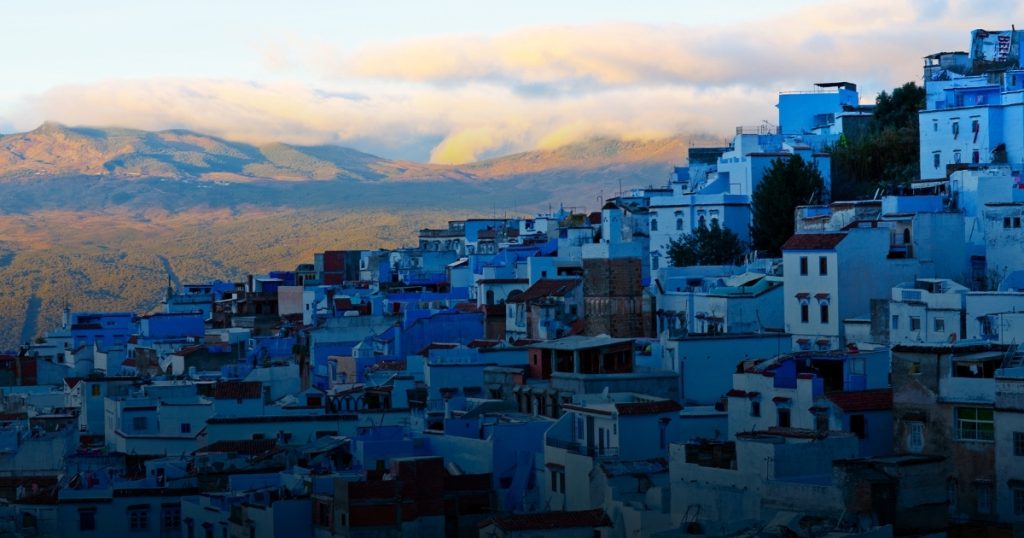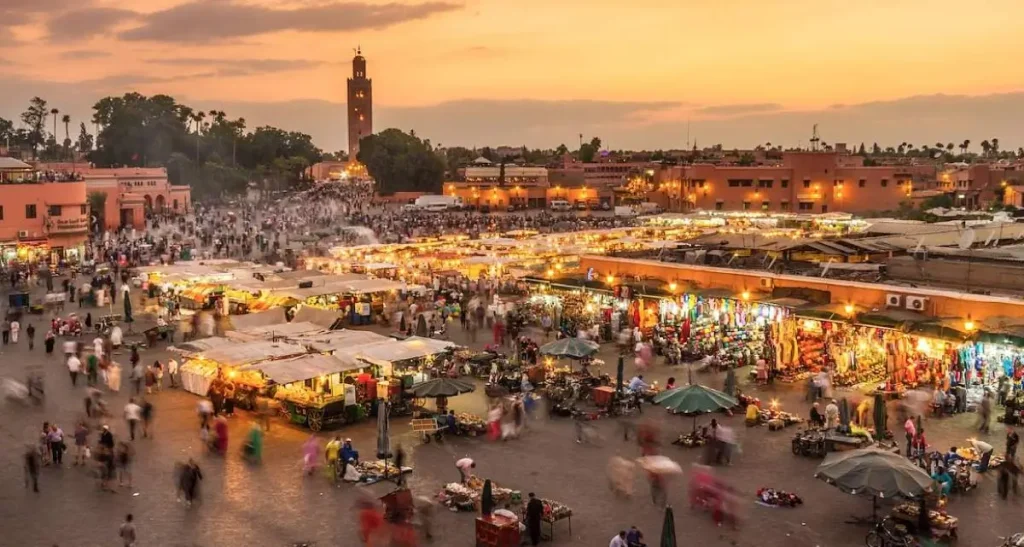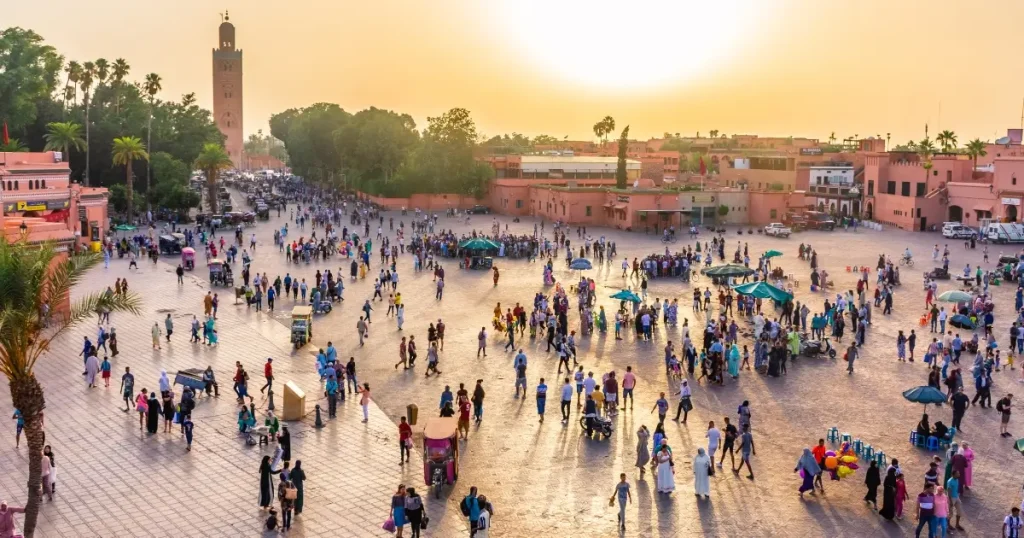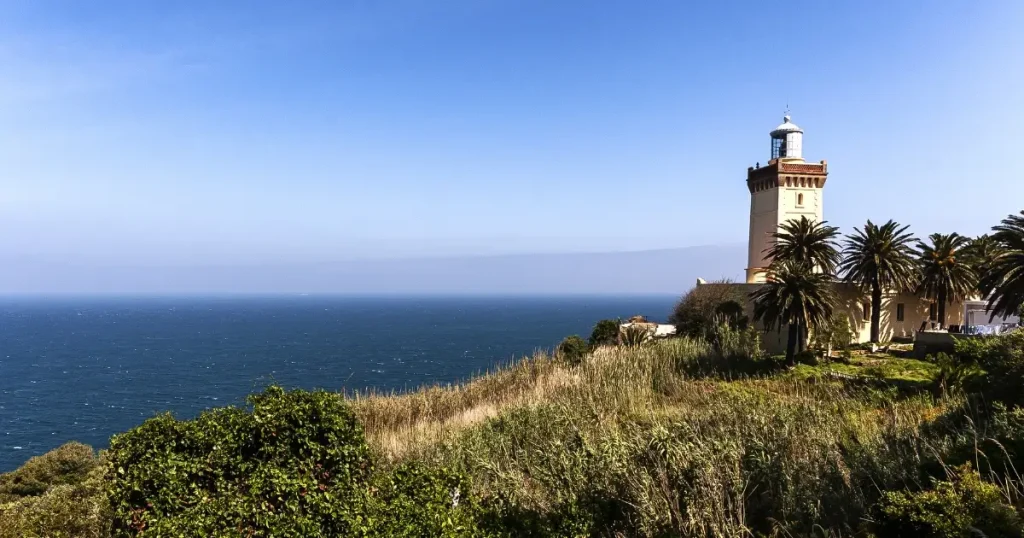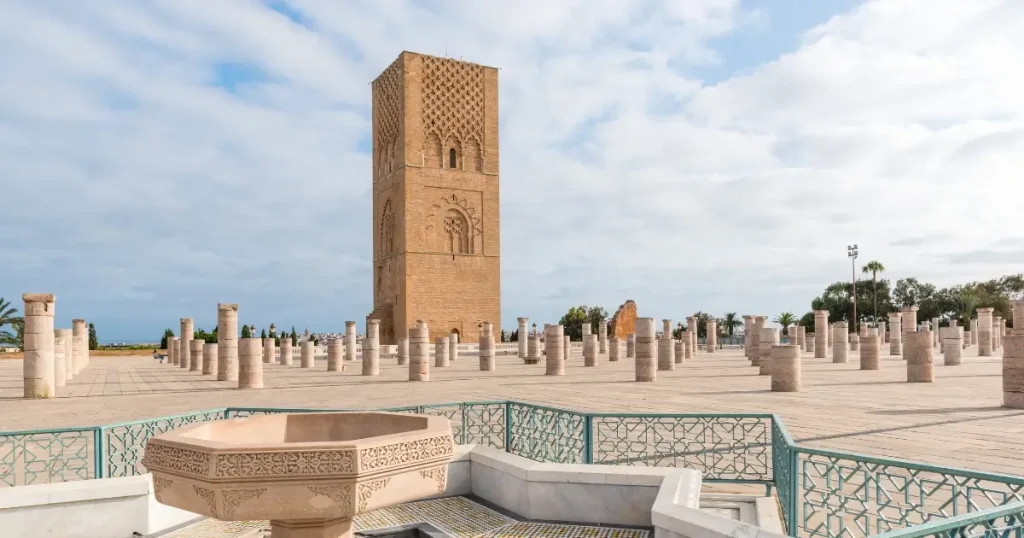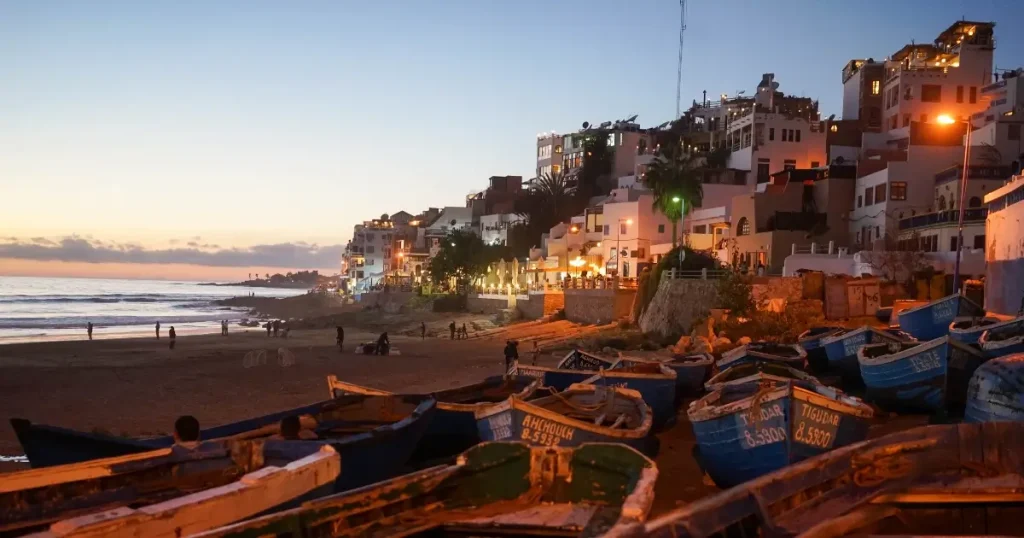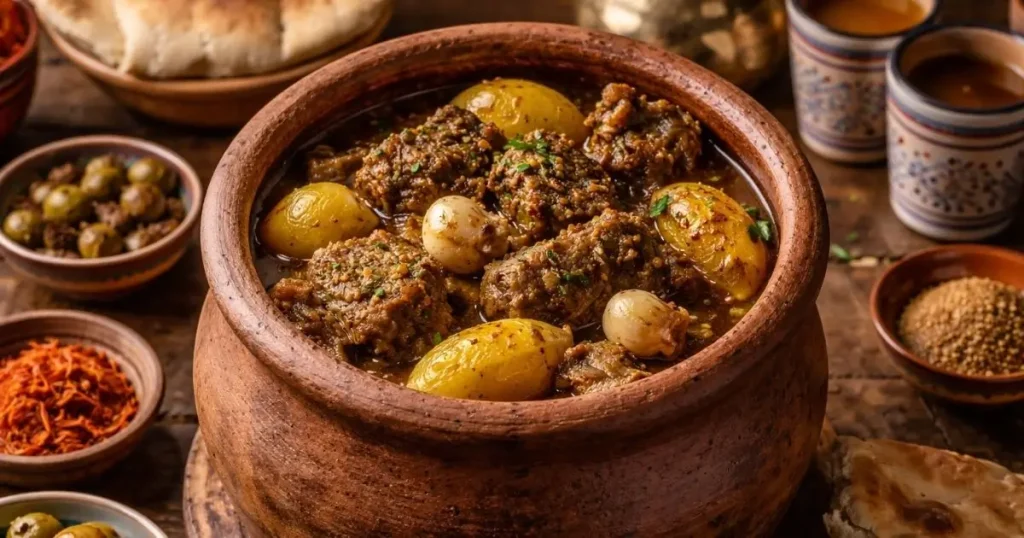
Destination Overview > Nestled along Morocco’s stunning Atlantic coastline, Agadir emerges as a sun-drenched paradise where golden beaches meet vibrant Berber culture. Unlike the ancient medinas of Marrakech or the blue-washed streets of Chefchaouen, Agadir presents a different face of Morocco—one that seamlessly blends modern resort luxury with authentic Moroccan warmth. When you travel to Agadir, you’re not just visiting another beach destination; you’re discovering a city that rose from tragedy to become one of North Africa’s most welcoming coastal retreats. The city’s year-round sunshine, with over 300 days of clear skies annually, creates an irresistible invitation for travelers seeking both relaxation and adventure. From the moment you arrive, the gentle ocean breeze carries the promise of unforgettable experiences—whether you’re watching surfers ride Atlantic swells, exploring the aromatic spice markets of Souk El Had, or venturing into the nearby Anti-Atlas Mountains where ancient Berber villages cling to dramatic hillsides. This Agadir travel guide will unveil why this Moroccan gem deserves a prominent place on your travel bucket list, revealing the perfect balance of beach bliss, cultural immersion, and gateway adventures that make visiting Agadir Morocco an experience unlike any other in the kingdom.
Why Visit Agadir Morocco
Agadir stands as Morocco’s premier beach destination, offering something increasingly rare in today’s travel landscape—authenticity without sacrificing comfort. The city’s compelling story begins with resilience; after a devastating earthquake in 1960 destroyed the old town, Agadir rebuilt itself with wide boulevards, modern infrastructure, and a determination to welcome the world. This rebirth created a unique destination where Moroccan hospitality flourishes in a contemporary setting, making it especially accessible for first-time visitors to Morocco who might feel overwhelmed by the sensory intensity of older imperial cities. The best places in Agadir cater to remarkably diverse interests—beach lovers find their paradise along the sweeping 10-kilometer coastline, adventure seekers discover world-class surfing and kiteboarding conditions, while culture enthusiasts explore the reconstructed Kasbah perched high above the city, offering panoramic views that stretch endlessly across the Atlantic.
What truly distinguishes Agadir within Morocco’s tourism landscape is its role as a perfect basecamp for exploring southern Morocco’s most spectacular regions. Within a few hours’ drive, you can traverse completely different worlds—from the pink-hued walls of the UNESCO-listed Aït Benhaddou to the pristine beaches of Paradise Valley, where natural pools and palm groves create an oasis straight from a traveler’s dream. The city serves as the gateway to the Anti-Atlas and High Atlas Mountains, where Morocco cultural travel takes on profound meaning as you encounter Berber communities maintaining centuries-old traditions. Unlike the sometimes overwhelming hustle of Marrakech or Fez, Agadir offers a more relaxed pace that allows travelers to ease into Moroccan rhythms. The city’s multicultural atmosphere, shaped by European visitors and Moroccan families alike, creates a cosmopolitan energy where you’re just as likely to enjoy fresh seafood at a beachfront restaurant as you are to sip mint tea in a traditional café, watching the sunset paint the Atlantic in shades of amber and gold.
Top Attractions in Agadir
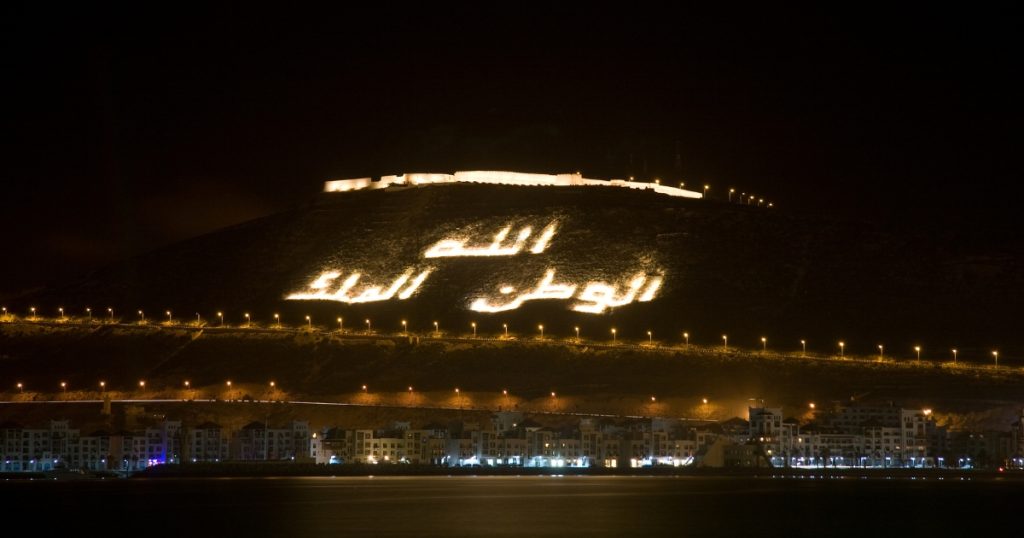
The Agadir Kasbah, locally known as Agadir Oufella, crowns the northern hillside approximately 236 meters above sea level, standing as the city’s most iconic landmark and historical touchstone. Though the 1960 earthquake left only the restored outer walls, the site’s significance transcends its physical remnants—this is where Agadir’s soul meets its history. The journey upward, whether by car or adventurous hike, rewards visitors with arguably Morocco’s most spectacular coastal panorama. From this elevated vantage point, the entire bay unfolds before you like a living map: the modern city grid stretches below, the beach curves gracefully along the Atlantic, and fishing boats dot the commercial port. The Arabic inscription above the entrance, “God, Country, King,” illuminated at night, becomes a beacon visible throughout the city. Visiting during golden hour transforms this historical site into a photographer’s paradise, where the setting sun ignites the ocean and city in warm, magical light that seems to justify the climb entirely on its own merit.
Souk El Had, one of North Africa’s largest markets, pulses with authentic Moroccan commercial life six days a week within its enclosed walls. This isn’t a sanitized tourist souk—this is where locals shop, bargain, and gather, creating an immersive experience that engages all senses simultaneously. The market’s organized chaos spans an enormous area containing roughly 6,000 shops arranged by product type, from gleaming pyramids of olives and preserved lemons to hand-woven Berber carpets displaying geometric patterns passed down through generations. The spice section alone could occupy an hour of your time, with vendors offering fragrant ras el hanout blends, golden saffron threads, and colorful tagine spices while explaining their culinary applications. Beyond food and spices, you’ll discover traditional Moroccan slippers called babouches, argan oil products direct from local cooperatives, handcrafted pottery, and intricate metalwork. The things to do in Agadir would feel incomplete without dedicating a morning to wandering these aromatic corridors, practicing your bargaining skills, and perhaps sharing mint tea with a shopkeeper who takes pride in explaining the provenance of his goods.
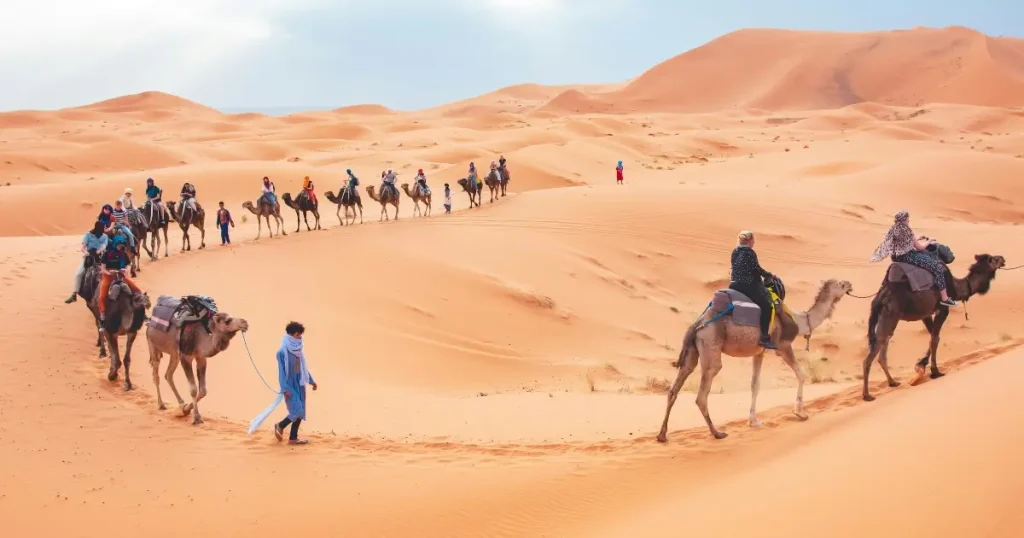
Agadir Beach itself forms the city’s centerpiece and raison d’être for many visitors—a magnificent 10-kilometer crescent of golden sand where the Atlantic Ocean maintains remarkably consistent waves throughout the year. The beach accommodates every possible coastal activity: families build sandcastles in the gentle northern sections, surfers challenge the more powerful breaks near the southern end, and beachside cafés serve fresh fish grilled to perfection while you wiggle your toes in warm sand. The well-maintained promenade running parallel to the beach creates perfect conditions for evening strolls, morning jogs, or leisurely cycling, with palm trees providing intermittent shade and countless vantage points for watching Agadir’s famous sunsets. What makes this beach particularly special within the context of Morocco travel destinations is its accessibility and safety—lifeguards patrol designated swimming areas, the water remains relatively clean, and the atmosphere stays relaxed and welcoming rather than aggressively commercial. Camel rides along the shore offer that quintessentially Moroccan photo opportunity, while numerous water sports operators provide everything from jet skiing to paddleboarding for those seeking active ocean engagement.
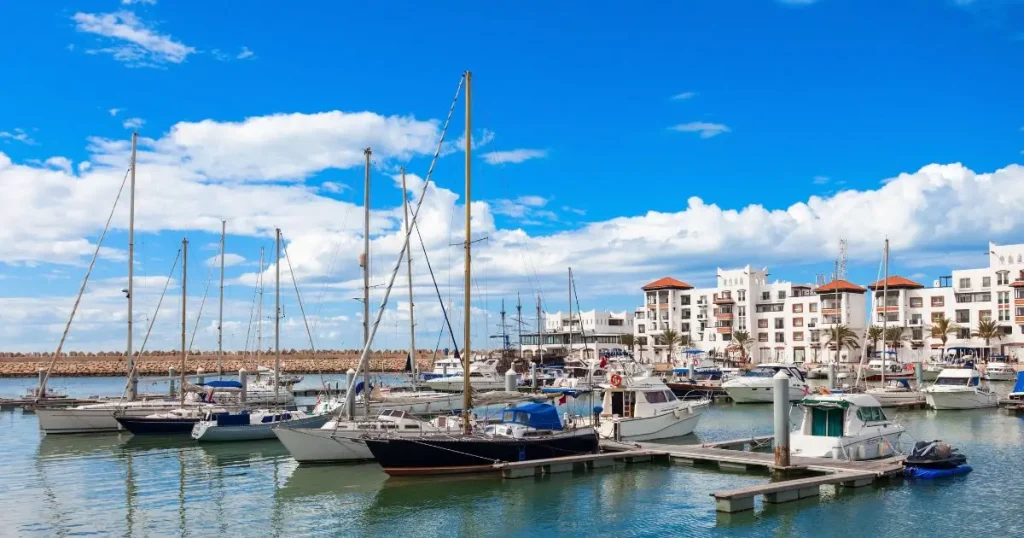
The Agadir Marina, locally called Marina d’Agadir, represents the city’s sophisticated modern face—a beautifully designed waterfront development where luxury yachts bob gently beside wooden fishing boats, creating a visual dialogue between tradition and contemporary leisure. This area comes alive particularly in the evenings when restaurants and cafés illuminate their terraces, creating an almost Mediterranean ambiance that surprises many first-time visitors to Morocco. International and Moroccan cuisines intermingle here, and the marina’s pedestrian-friendly design encourages lingering over meals while watching boats drift past. The complex includes high-end boutiques, art galleries showcasing local and international artists, and several nightlife venues that attract both visitors and Agadir’s young professional crowd. For travelers incorporating the marina into their Agadir travel guide itinerary, this becomes the perfect spot to experience Morocco’s cosmopolitan side—where you can enjoy a glass of Moroccan wine (yes, Morocco produces wine) while reflecting on the day’s adventures before the ocean breeze that never quite dies, even after sunset.
Best Things to Do in Agadir
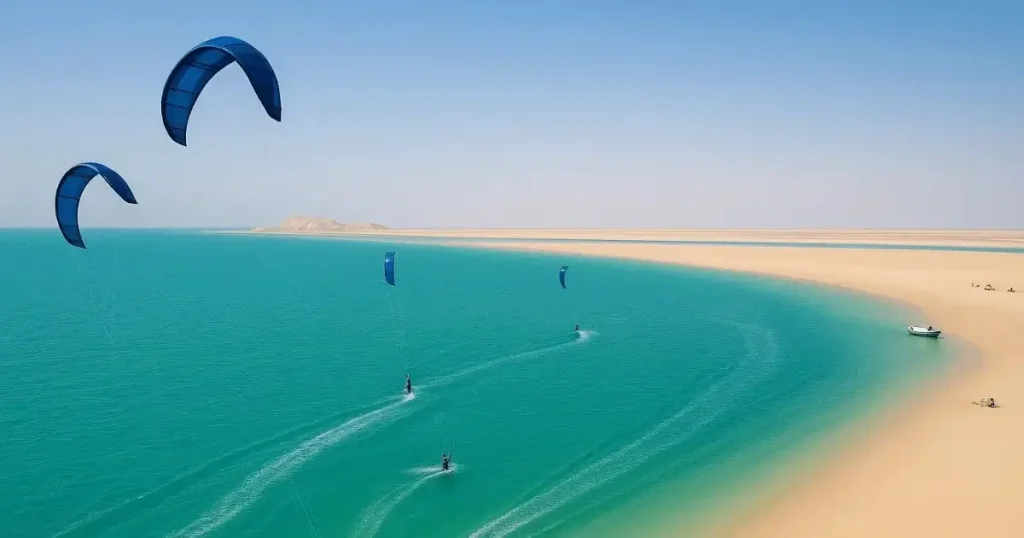
Surfing and water sports define Agadir’s active culture, with the Atlantic providing consistent swells that attract everyone from absolute beginners to seasoned wave riders. Several surf schools along the beach offer lessons in multiple languages, with instructors who understand how to work with nervous first-timers and provide the encouragement needed to stand up on that first wave. The water temperature remains relatively moderate year-round thanks to Morocco’s Atlantic positioning, though wetsuits are recommended during winter months. Beyond surfing, the consistent coastal winds create ideal conditions for kiteboarding and windsurfing, particularly at spots like Taghazout to the north, easily accessible for day trips. For those preferring calmer water activities, stand-up paddleboarding along the beach at sunrise offers meditative movement with spectacular lighting, while banana boat rides and parasailing provide family-friendly thrills. The diversity of water-based activities means that whether you’re seeking adrenaline rushes or peaceful ocean connection, the best places in Agadir accommodate your particular vision of coastal adventure.
Paradise Valley ranks among the most breathtaking natural attractions accessible from Agadir, located roughly 60 kilometers north in the High Atlas foothills. This stunning gorge features a series of natural pools fed by mountain streams, surrounded by palm trees and dramatic rock formations that create an oasis atmosphere seemingly designed by nature specifically for weary travelers. The journey itself becomes part of the experience as you leave the coastal plains and wind upward through increasingly dramatic terrain where Berber villages perch on impossible hillsides. Once at Paradise Valley, you can swim in crystal-clear pools, cliff jump for the adventurous (always assess depth and conditions first), or simply find a sun-warmed rock for picnicking and contemplation. Local guides often wait at the entrance offering to lead you to more secluded pools away from the main areas, and their knowledge of the terrain proves invaluable for discovering hidden swimming spots and understanding the geological forces that created this natural wonder. Visiting Paradise Valley represents essential Morocco vacation experience—it demonstrates how quickly the landscape can transform, how traditional communities maintain their connection to these spaces, and why Morocco desert and city tours often incorporate these unexpected oases that exist between dramatic geographic zones.
The Argan Oil Cooperative visits provide fascinating insight into one of Morocco’s most celebrated natural products while directly supporting women’s economic empowerment in rural communities. These cooperatives, found in and around Agadir, demonstrate the traditional process of extracting oil from argan nuts—a labor-intensive method that has remained largely unchanged for centuries. Women crack the extremely hard nuts between stones (machines can’t replicate this without damaging the kernels), then grind and press the kernels to extract the precious oil used both in cooking and cosmetics. Observing this process creates profound appreciation for why authentic argan oil commands premium prices, and purchasing directly from cooperatives ensures your money supports the women doing this demanding work. Many cooperatives welcome visitors for demonstrations, offer fresh argan oil for tasting (the culinary version has a distinctly nutty flavor), and sell pure cosmetic argan oil alongside other products like amlou, a delicious spread combining argan oil, almonds, and honey. These visits exemplify meaningful Morocco cultural travel—they’re educational, support sustainable local economies, and provide authentic products you’ll actually use and treasure long after your trip concludes.
Crocoparc, located about 13 kilometers from Agadir’s center, offers an unexpected attraction that particularly delights families and wildlife enthusiasts. This beautifully landscaped botanical garden and crocodile park houses roughly 300 Nile crocodiles in environments designed to mimic their natural habitats while allowing safe viewing. The park’s creation reflects both conservation awareness and tourism innovation, providing educational programming about these magnificent reptiles alongside the simple pleasure of observing them basking, swimming, and occasionally demonstrating why they’ve survived virtually unchanged for millions of years. Beyond the crocodiles, the lush gardens featuring cacti, palms, and other flora create a peaceful environment for strolling, and several on-site restaurants offer refreshments with garden views. While Crocoparc might not qualify as traditional Moroccan culture, it represents Agadir’s family-friendly appeal and willingness to provide diverse attractions that recognize travelers’ varying interests, particularly valuable for those traveling with children who might need variety beyond beaches and historical sites.
Local Culture and Authentic Experiences
Agadir’s Berber heritage forms the foundational layer of local culture, though the city’s modern appearance sometimes obscures these deeper connections. The indigenous Amazigh people (commonly called Berbers, though Amazigh is preferred by many) have inhabited this region for thousands of years, and their influence permeates everything from language to artistic traditions. Throughout Agadir and surrounding areas, you’ll encounter Tamazight script—the ancient Berber alphabet—on signs and monuments, particularly at cultural sites. Engaging with this heritage meaningfully requires venturing beyond the tourist zones into experiences like visiting the Amazigh Heritage Museum, where exhibits showcase traditional jewelry, woven textiles, and household items that tell stories of nomadic and agricultural lifestyles adapted to Morocco’s challenging environments. The geometric patterns in Berber carpets aren’t merely decorative—each symbol carries meaning, representing fertility, protection, or natural elements like mountains and water. Learning to read these visual languages, even superficially, transforms your perception of the crafts you encounter in markets and cooperatives.
Participating in a traditional hammam experience provides intimate access to an essential aspect of Moroccan social and wellness culture. While many hotels offer spa-like hammam services, seeking out a local public hammam creates a more authentic encounter with this centuries-old purification ritual. The process involves moving through progressively hotter rooms, allowing your pores to open before a vigorous scrubbing with a rough mitt called a kessa removes dead skin, leaving you feeling reborn. An attendant might offer a black soap treatment made from olives, followed by rinsing with cool water and perhaps a massage with argan or eucalyptus oil. The hammam experience is deeply social for Moroccans—women gather to talk, catch up on community news, and help each other with the scrubbing ritual. While language barriers might prevent full participation in conversations, the welcoming atmosphere and shared vulnerability of the experience create their own form of connection. Many visitors to Agadir Morocco report that their hammam visit ranks among their most memorable cultural experiences, providing physical relaxation while offering a window into daily Moroccan wellness practices that have endured despite modernization.
The art of Moroccan hospitality, known as “diyafa,” manifests continuously throughout Agadir, though you’ll experience it most profoundly through invitations to share mint tea. When a shopkeeper offers you tea during bargaining negotiations, he’s not simply employing a sales tactic—he’s honoring a tradition that views hospitality as sacred duty and strangers as guests worthy of respect. Accepting this tea and sitting for conversation, even brief, acknowledges this cultural value and often leads to far more enriching interactions than rushing through transactions. If you’re fortunate enough to receive an invitation to someone’s home, perhaps through connections made during your travels, you’ll experience diyafa at its fullest. Meals might extend for hours, with hosts continuously offering more food despite your protests of fullness, and conversation flowing across topics from family to politics to shared observations about life’s peculiarities. These experiences, impossible to schedule or guarantee, often become the travel memories that endure longest—moments when cultural barriers dissolve into shared humanity over steaming tagines and endless glasses of sweet mint tea.
Traditional Food and Culinary Experiences
Moroccan cuisine in Agadir offers the full spectrum of the kingdom’s celebrated culinary traditions with particular emphasis on Atlantic seafood that arrives fresh at the port daily. The city’s restaurants range from humble grills serving sardines straight from the boat to sophisticated establishments presenting contemporary interpretations of classic dishes, ensuring options for every budget and preference. Tagine, Morocco’s iconic slow-cooked stew named after the conical earthenware pot in which it cooks, appears on virtually every menu in variations featuring lamb with prunes and almonds, chicken with preserved lemons and olives, or vegetables for plant-based diners. The magic of tagine lies in its cooking method—ingredients steam in their own juices with minimal liquid, concentrating flavors while maintaining tenderness that makes even tough cuts of meat melt on your tongue. First-time visitors should understand that authentic tagine requires patience; restaurants preparing these dishes properly need at least 45 minutes, so ordering upon arrival rather than when you’re ravenously hungry prevents frustration while ensuring you experience the dish as intended.
Seafood assumes starring roles in Agadir’s culinary scene, with the fishing port’s daily catches determining restaurant specials and market offerings. Grilled sardines, beloved throughout Morocco but particularly fresh in coastal cities, provide an inexpensive, delicious introduction to Moroccan seafood preparation. Vendors often grill them with nothing more than salt, allowing the fish’s natural flavors to shine, though some add chermoula—a vibrant marinade combining cilantro, parsley, garlic, cumin, paprika, and preserved lemon. More elaborate seafood presentations might include whole grilled sea bass, prawns prepared with garlic and herbs, or traditional fish tagines that differ significantly from their meat-based cousins through lighter, brighter flavor profiles. The Port area contains numerous small restaurants where choosing your fish from ice-filled displays, negotiating the price, and watching it grilled to order creates participatory dining experiences far removed from sterile restaurant environments. These meals, often accompanied by Moroccan salads (cooked vegetable dishes rather than raw greens), fresh bread, and strong coffee, embody the best of Agadir’s culinary offerings—simple, fresh, and utterly satisfying.
Couscous, often considered Morocco’s national dish despite being enjoyed throughout North Africa, traditionally appears on Moroccan tables on Fridays following midday prayers, though restaurants serve it throughout the week for visitors. This steamed semolina grain, impossibly light when properly prepared, forms the base for vegetable and meat stews that vary by region and season. In Agadir, you’ll often find couscous served with seven vegetables, a variation believed to bring good fortune, or with caramelized onions and raisins alongside tender lamb. The preparation requires skill and patience—traditional methods involve hand-rolling the semolina, then steaming it multiple times while working in butter or argan oil to prevent clumping and achieve that signature fluffy texture. Taking a Moroccan cooking class during your visit to Agadir Morocco allows hands-on learning of these techniques while providing context about ingredient significance, family cooking traditions, and the social importance of shared meals. Several riads and cooking schools in Agadir offer classes that begin with market shopping, teaching you to select produce and negotiate prices before moving to kitchen instruction that typically culminates in eating your creations—a delicious, educational experience that enhances every subsequent Moroccan meal you encounter.
Moroccan pastries and sweets, often intensely honeyed and perfumed with orange blossom water or rose water, provide sweet counterpoints to savory meals while exemplifying the cuisine’s sophisticated spice usage. Chebakia, pretzel-like cookies fried and coated in honey then sprinkled with sesame seeds, traditionally appear during Ramadan but can be found year-round in Agadir’s patisseries. Kaab el ghazal, meaning “gazelle horns,” are crescent-shaped cookies filled with almond paste and dusted with powdered sugar that pair perfectly with mint tea. M’hanncha, or “snake cake,” winds almond paste within crispy phyllo-like pastry, creating a stunning centerpiece dessert. Rather than reserving sweets solely for dessert, Moroccans often enjoy them throughout the day with tea, and embracing this pattern enhances your cultural immersion. The best places in Agadir for pastries include established patisseries that have perfected their recipes over decades, where glass cases display jewel-like confections that taste even better than they look—purchasing a mixed box to sample various types while sharing with travel companions or new friends you’ve made creates sweet moments that literally and figuratively enrich your journey.
Best Time to Visit Agadir
Agadir’s famously temperate climate, moderated by Atlantic influences, creates year-round visitation possibilities, though distinct seasons offer different advantages for various traveler types. The city enjoys approximately 300 sunny days annually with minimal rainfall concentrated between November and March, giving it one of Morocco’s most consistently pleasant weather patterns. Summer months from June through September bring warm temperatures ranging from 24°C to 28°C (75°F to 82°F), with ocean breezes preventing the oppressive heat that affects inland Moroccan cities like Marrakech, where temperatures can exceed 40°C (104°F). These summer months attract European vacationers escaping their own summer heat while seeking reliable sunshine, creating livelier beach atmospheres with more activities and entertainment options. However, this popularity means higher accommodation prices and more crowded attractions, particularly in July and August when European school holidays drive peak tourism. If you prefer vibrant energy and don’t mind sharing the beach, summer’s extended daylight hours and guaranteed sunshine make it ideal for maximizing beach time and outdoor activities.
Spring (March through May) and autumn (September through November) represent optimal visiting windows for travelers seeking pleasant weather with fewer crowds and better value. Spring brings wildflowers to the surrounding countryside, creating stunning backdrops for excursions into the Atlas Mountains and Paradise Valley, while autumn maintains warm ocean temperatures from summer heating combined with comfortable air temperatures perfect for exploring. During these shoulder seasons, average temperatures hover between 20°C and 25°C (68°F to 77°F), warm enough for beach enjoyment while comfortable for walking tours and cultural exploration. Accommodation prices drop significantly compared to summer peaks, and attractions become less crowded, allowing more intimate experiences and easier spontaneous planning. Sunset timing during spring and autumn also favors evening activities—the sun sets late enough to enjoy after-dinner beach walks without the extremely late summer sunsets that can disrupt dining schedules for families with young children. These seasons exemplify why knowledgeable travelers consistently recommend them for visiting Agadir Morocco, delivering the destination’s strengths without the drawbacks of peak periods.
Winter months (December through February) present Agadir’s secret advantage for northern European visitors desperate to escape gray, cold climates. While not guaranteed hot, winter temperatures typically range from 15°C to 21°C (59°F to 70°F), representing paradise for those fleeing freezing temperatures and persistent rain. This is when you’ll encounter Scandinavians, Germans, and British visitors who’ve discovered Agadir as an affordable winter sun destination requiring just a few hours’ flight. The ocean remains swimmable for hardy souls, though most visitors prefer poolside lounging during winter visits. This season also offers excellent conditions for golf, with several quality courses around Agadir enjoying perfect playing weather when European courses sit waterlogged or frozen. Winter represents the most affordable travel period, with accommodation and flight prices at their lowest and package deals offering exceptional value. However, some beachfront restaurants and tourist services reduce hours or close entirely during quieter winter months, and occasional rainy days occur more frequently than in other seasons. For travelers prioritizing budget, fewer crowds, and comfortable (if not beach-perfect) weather, winter visits deliver unexpected satisfaction, particularly when combined with Morocco desert and city tours that explore inland destinations where winter temperatures remain very pleasant.
Travel Tips and Safety Information
Agadir ranks among Morocco’s safest cities for tourists, with well-developed infrastructure and a tourism economy that depends on visitor satisfaction, creating strong incentives for maintaining security and welcoming atmospheres. The city’s modern layout, wide streets, and good lighting reduce many common urban safety concerns, and you’ll notice a visible police presence particularly in tourist areas and along the beachfront promenade. Violent crime against tourists remains rare, though petty theft like pickpocketing can occur in crowded areas such as Souk El Had or on busy beaches, making standard travel precautions essential. Keep valuables secured in hotel safes rather than carrying expensive jewelry or large amounts of cash, use bags that close securely and can be worn across your body, and maintain awareness in crowded spaces where distraction techniques facilitate theft. Women travelers, both solo and in groups, generally report feeling safe in Agadir, though unwanted attention and catcalling can occur, particularly from young men in tourist areas. Dressing relatively modestly—covered shoulders and knees—reduces but doesn’t eliminate this attention while showing cultural respect; responding firmly but not aggressively to persistent advances usually proves most effective.
Transportation within Agadir and to surrounding attractions offers multiple safe, affordable options that accommodate different comfort levels and budgets. Petit taxis, small vehicles licensed to operate within city limits, use meters (insist on this) and provide inexpensive short-distance transportation, though drivers sometimes attempt inflated prices with tourists—knowing approximate fair prices helps you recognize and resist overcharging. Grand taxis, typically Mercedes sedans, operate on fixed routes to nearby towns and can be chartered for day trips to destinations like Paradise Valley or Taroudant, offering flexibility and convenience for small groups willing to negotiate prices upfront. Many visitors find that arranging transportation through their accommodation or reputable tour companies eliminates negotiation stress while ensuring reliable service, particularly for longer excursions or airport transfers. Rental cars provide maximum independence for exploring at your own pace, with Agadir’s modern road infrastructure making driving relatively straightforward compared to navigating older Moroccan cities with chaotic medinas. However, be prepared for different driving conventions—Moroccan road culture can feel aggressive, roundabouts follow different rules, and rural roads might contain unexpected obstacles like livestock or carts, requiring defensive driving and patience.
Currency and payment practices require some advance understanding to smooth your Agadir travel experience. Morocco’s currency, the dirham (MAD), cannot be obtained before arrival as it’s not traded internationally—plan to exchange money at the airport, banks, or official exchange offices that offer fair rates. ATMs are widely available throughout Agadir and generally offer the best exchange rates, though notify your bank about travel plans to prevent card freezing from suspected fraudulent use. Credit cards see acceptance in hotels, larger restaurants, and established shops, but cash remains essential for markets, street vendors, taxis, and smaller establishments. Bargaining is expected in souks and with taxi drivers (except metered petit taxis), though fixed-price stores are becoming more common in modern shopping areas. When bargaining, start at roughly half the initial asking price and negotiate toward a middle ground—this dance is part of the cultural experience, and maintaining good humor throughout leads to better outcomes than aggressive tactics. Tipping (called baksheesh) is customary but not mandatory—10% in restaurants if service isn’t included, a few dirhams for helpful service, and small amounts for hammam attendants or tour guides who’ve provided excellent experiences.
Nearby Destinations Worth Visiting
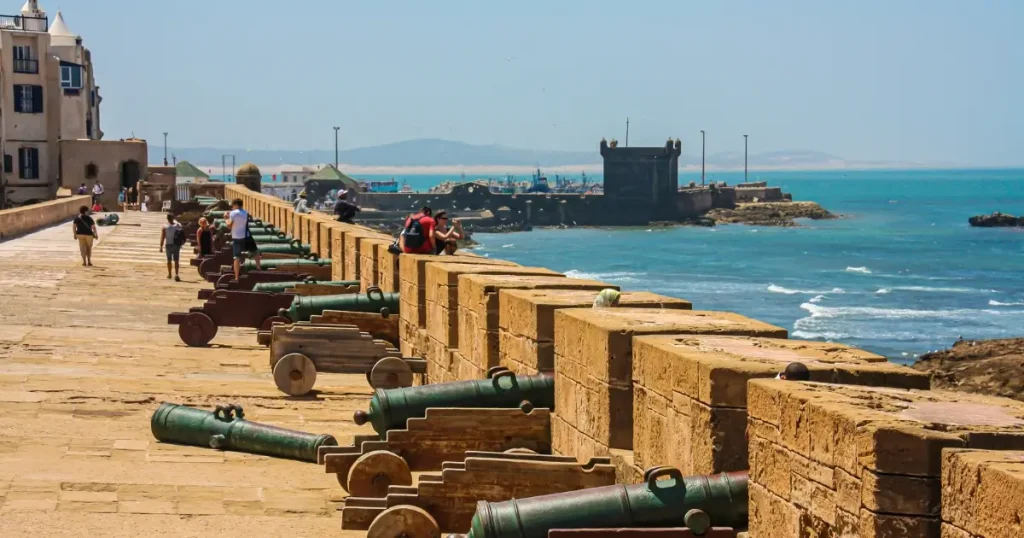
Essaouira, the enchanting coastal city approximately three hours north of Agadir, offers a dramatically different Moroccan coastal experience centered on its remarkably preserved medina, which UNESCO designated as a World Heritage Site. This fortified city’s blue-and-white aesthetic, created by its Portuguese architectural heritage, creates an almost Mediterranean atmosphere that has attracted artists, musicians, and bohemian travelers for decades. Essaouira’s beaches differ from Agadir’s calm waters—strong winds create world-class conditions for windsurfing and kitesurfing while making swimming less appealing, though the expansive sandy stretches remain perfect for long walks punctuated by mint tea at beachside cafés. The medina’s winding streets, free from vehicle traffic, invite aimless wandering past art galleries, woodworking workshops producing items from the region’s famous thuya wood, and fresh seafood stalls at the fishing port where you can select fish to be grilled immediately at adjacent restaurants. Essaouira’s relaxed pace and artistic sensibility create perfect counterbalance to Agadir’s resort atmosphere, and the city makes an excellent day trip or overnight excursion for travelers wanting to experience Morocco’s coastal diversity.
Taroudant, often called “Little Marrakech” for its ochre-red walls and bustling souks, lies roughly 80 kilometers east of Agadir in the fertile Souss Valley, presenting authentic Moroccan city life without overwhelming tourist crowds. This ancient city, once serving as capital of the Saadian dynasty before Marrakech claimed that role, maintains magnificent walls stretching nearly six kilometers around the historic center, best appreciated via calèche (horse-drawn carriage) rides that circle the ramparts at sunset. Taroudant’s two souks—the Arab Souk and Berber Souk—offer exceptional handicrafts including leather goods, jewelry, carpets, and pottery, with bargaining encounters feeling more genuine and less aggressive than in major tourist cities. The city’s central square, Place Assarag, comes alive evenings when locals gather at cafés and restaurants serving traditional Moroccan cuisine at prices significantly lower than Agadir’s tourist-oriented establishments. A day trip to Taroudant provides immersive cultural experiences—wandering the souks, perhaps taking a cooking class in a traditional riad, and enjoying the slower pace of provincial Moroccan life before returning to Agadir’s coastal comforts.
The Anti-Atlas Mountains, rising dramatically just inland from Agadir, contain countless Berber villages where traditional lifestyles continue largely unchanged despite modernization elsewhere in Morocco. Visiting these mountain communities, whether independently or through organized tours, ranks among the most profound Morocco cultural travel experiences available, revealing how geography shapes culture and how ancient agricultural practices sustain communities in seemingly inhospitable terrain. Villages like Tafraout, famous for its pink granite rock formations and almond groves that blossom spectacularly in February, offer trekking opportunities through otherworldly landscapes where prehistoric rock carvings hint at thousands of years of human habitation. Local guides, often from the villages themselves, provide crucial context about how these communities harvest argan nuts, terraced agriculture techniques adapted to scarce rainfall, and the significance of weekly souks where villagers gather not just for commerce but for social connection and information exchange. These excursions require more adventurous spirits and tolerance for basic facilities, but they deliver authenticity and connection impossible to replicate in tourist-polished environments—moments like sharing bread with a Berber family in their mountain home or hiking ancient paths while your guide explains medicinal uses for seemingly barren landscape plants create transformative travel experiences that justify Morocco’s reputation as a destination of profound cultural richness.
Where to Stay in Agadir
Agadir’s accommodation landscape spans the full spectrum from budget-friendly hostels to all-inclusive resort complexes, with the beach promenade area offering the highest concentration of options and most convenient access to coastal activities. Large resort hotels dominate the beachfront, many operated by international chains like Sofitel, Riu, and Iberostar, providing familiar luxury standards with Moroccan decorative touches. These properties work particularly well for families and those seeking comprehensive amenities—multiple pools, kids’ clubs, spa facilities, varied dining options, and organized activities all within secure compounds. All-inclusive packages can offer excellent value, especially during off-peak seasons, essentially making your trip costs predictable by bundling accommodation, meals, and basic beverages. However, choosing all-inclusive potentially limits your culinary exploration and interaction with local restaurants and cafés, so consider half-board options that provide breakfast and one meal while leaving you free to explore Agadir’s diverse dining scene for remaining meals.
Boutique hotels and riads, though less numerous in modern Agadir than in cities like Marrakech, offer more intimate, characterful alternatives to large resorts. These smaller properties, often family-owned, provide personalized service and distinctive design that helps your accommodation contribute to rather than merely support your travel experience. Some occupy converted houses in the newer sections of town, others have been purpose-built in traditional architectural styles incorporating courtyards, fountains, and zellige tilework. These properties particularly suit couples and solo travelers seeking quiet sophistication over resort entertainment, with the trade-off being fewer on-site amenities requiring more venturing out for meals and activities—though this arguably enriches your engagement with Agadir itself. Many boutique options include rooftop terraces perfect for sunset viewing with Moroccan wine or tea, and attentive owners who function as informal concierges, offering restaurant recommendations and helping arrange day trips based on intimate local knowledge that chain hotel staff rarely possess.
The Marina area has emerged as an increasingly popular accommodation zone, particularly for travelers prioritizing dining variety, nightlife, and sophisticated atmospheres over direct beach access. While requiring a short walk or taxi ride to the beach, Marina hotels position you among the city’s best restaurants, waterfront promenades ideal for evening strolls, and the generally upscale atmosphere this development cultivates. Apartment rentals through platforms like Airbnb have expanded Agadir’s accommodation options, offering full kitchens and separate living spaces valuable for families or longer stays when eating every meal out becomes exhausting and expensive. These rentals scatter throughout the city from beachfront to more residential areas where you might find yourself as the only tourists in apartment buildings full of Moroccan families—experiences that provide unfiltered glimpses of daily life while offering excellent value compared to hotels of equivalent size. Regardless of accommodation choice, reading recent reviews becomes essential in Agadir where property quality and management can vary significantly even within the same price range, and confirming specific amenities like air conditioning, Wi-Fi quality, and proximity to attractions prevents unpleasant surprises.
How to Reach Agadir
Agadir Al-Massira Airport (AGA), located approximately 25 kilometers northeast of the city center, serves as the primary international gateway with direct connections to numerous European cities particularly during peak tourist seasons. Major airlines including Royal Air Maroc, Ryanair, easyJet, and TUI operate regular services from destinations across the UK, France, Germany, Netherlands, and Scandinavia, with flight times averaging three to four hours from most Western European cities. The airport handles domestic connections as well, with Royal Air Maroc providing links to Casablanca, Marrakech, and other Moroccan cities, making Agadir accessible as part of broader Morocco itineraries. The facility underwent significant modernization, offering contemporary amenities including currency exchange, ATMs, car rental counters from major international companies, and a tourist information desk that can assist with onward transportation and initial orientation. Airport transfers to Agadir hotels operate via several options: official taxis charging fixed prices posted near the terminal (approximately 250-300 MAD to central Agadir), private transfers arranged through hotels or booking platforms offering door-to-door service at premium prices, and shuttle buses providing budget-friendly shared transportation with multiple hotel stops extending journey times.
Overland travel to Agadir works well for those incorporating the city into broader Moroccan explorations or preferring ground transportation’s scenic rewards over flying’s speed. CTM and Supratours, Morocco’s primary intercity bus companies, operate comfortable, air-conditioned services connecting Agadir with major cities including Marrakech (approximately 3.5 hours), Casablanca (approximately 6-7 hours), and Essaouira (approximately 3 hours). These buses maintain reliable schedules, use modern vehicles with reclining seats, and charge reasonable fares making them excellent options for budget-conscious travelers or those who enjoy watching landscapes transform during journeys. Tickets can be purchased online in advance or at bus stations, with advance booking recommended during peak seasons and holidays when services fill quickly. Grand taxis also operate on intercity routes, functioning as shared taxis that depart when full (typically six passengers) and offering faster point-to-point service than buses though with less comfort and no schedule guarantees. For ultimate flexibility, rental cars enable exploration at your own pace, with the journey from Marrakech to Agadir following well-maintained highways through increasingly dramatic terrain as the Atlas Mountains give way to the coastal plains—the drive itself justifies the car rental expense for those who value independence and spontaneous detours to unexpected discoveries.
Those arriving in Morocco through Casablanca Mohammed V International Airport, the country’s largest aviation hub with the most international connections, can easily continue to Agadir through domestic flights, direct buses, or by spending time in Casablanca and Marrakech before heading south. The domestic flight from Casablanca to Agadir takes approximately 45 minutes and operates multiple times daily, offering convenience for travelers with limited time or those uncomfortable with long ground journeys. However, the scenic overland route through Marrakech allows you to experience Morocco’s geographic diversity—from Casablanca’s modern coastal development through the fertile plains and into the dramatic Atlas passes before descending to Agadir’s Atlantic shores. This multi-city approach, while requiring more time, creates a more comprehensive Morocco vacation experience that contextualizes Agadir within the broader national landscape, helping you appreciate how this coastal city differs from imperial cities while understanding the cultural threads connecting them. Whichever route you choose, arriving in Agadir marks the beginning of adventures combining relaxation, cultural immersion, and natural beauty in proportions perfectly balanced to create memorable Moroccan experiences.
Conclusion
Agadir represents Morocco at its most welcoming—a sun-soaked coastal paradise where the challenges of travel give way to the pleasures of discovery, where ancient Berber culture coexists comfortably with modern resort amenities, and where every sunset over the Atlantic Ocean feels like nature’s personal invitation to return tomorrow. This city offers something increasingly precious in contemporary travel: the ability to craft experiences matching your exact mood and energy level, whether that means surfing morning waves before exploring mountain villages, spending entire days alternating between beach lounging and tagine tasting, or using Agadir as your comfortable basecamp for ambitious expeditions into southern Morocco’s most spectacular regions. The diversity of experiences available when you visit Agadir Morocco—from the sensory intensity of Souk El Had to the serene beauty of Paradise Valley, from watching fishing boats return with their catches to sharing mint tea with new friends as the sun paints the sky in impossible colors—ensures that this destination rewards whatever you’re seeking, whether that’s adventure, relaxation, cultural education, or that perfect balance of all three that defines truly satisfying travel.
As you contemplate adding Agadir to your travel plans, remember that the best journeys begin with that first commitment—the booking that transforms possibility into certainty, dreams into itineraries. This Agadir travel guide has illuminated the practical details and hidden treasures, but the real magic emerges only when you actually go, when you feel that distinctive combination of salt air and warm sunshine, taste your first perfectly grilled sardines, and discover your own favorite corner of this remarkable city that somehow escaped your research. Morocco’s golden coast awaits, ready to surprise and delight you with its unique blend of accessibility and authenticity, ready to create memories that will outlast any Instagram feed or travel journal. The time to travel to Agadir isn’t someday—it’s now, when the call of adventure still echoes in your imagination and the promise of new experiences holds endless possibility.
Frequently Asked Questions About Visiting Agadir
Is Agadir safe for tourists? Yes, Agadir is considered one of Morocco’s safest cities for tourists, with well-developed tourism infrastructure, visible security presence, and a local economy dependent on visitor satisfaction. The city’s modern layout and lighting contribute to safety, while violent crime against tourists remains extremely rare. Standard precautions against petty theft apply—secure valuables, use bags that close properly, and maintain awareness in crowded areas like markets. Women travelers generally report feeling comfortable in Agadir, though some unwanted attention can occur. The city’s beach promenade area is particularly well-monitored and safe even during evening hours.
What is the best month to visit Agadir? The optimal months for visiting Agadir are April-May (spring) and September-October (autumn), offering pleasant temperatures between 20-25°C, fewer crowds than summer, and better accommodation value. These shoulder seasons provide warm enough weather for beach enjoyment while remaining comfortable for cultural exploration. Summer (June-September) guarantees sunshine and vibrant atmosphere but brings higher prices and more tourists. Winter (December-February) attracts European sun-seekers with mild 15-21°C temperatures and lowest prices, though occasional rain occurs more frequently than other seasons.
How many days should I spend in Agadir? A minimum of 3-4 days allows you to experience Agadir’s highlights including beach relaxation, Souk El Had exploration, Kasbah visit, and one day trip to destinations like Paradise Valley or Essaouira. A week-long stay enables a more relaxed pace with multiple excursions to the Anti-Atlas Mountains, Taroudant, and time to truly unwind at the beach. Agadir also works excellently as a basecamp for longer southern Morocco explorations, with 7-10 days allowing comprehensive regional discovery while returning each evening to comfortable coastal accommodation.
What should I wear in Agadir? Agadir’s beach resort atmosphere means dress codes are relatively relaxed compared to more conservative Moroccan cities. Beachwear is acceptable on the beach and by pools, though covering up when leaving these areas shows cultural respect. For exploring the city, markets, and restaurants, casual comfortable clothing works well—lightweight pants or knee-length shorts, t-shirts or blouses with covered shoulders represent appropriate middle ground. Women aren’t required to cover their hair, though modesty (covered shoulders and knees) reduces unwanted attention. Evenings at nicer restaurants or the Marina might warrant smarter casual attire. Bring comfortable walking shoes for market exploration and layers for air-conditioned spaces.
Can you swim in Agadir beach? Yes, Agadir’s beach offers excellent swimming conditions with lifeguards patrolling designated safe zones during daylight hours. The Atlantic Ocean here maintains relatively calm waters compared to Morocco’s northern Atlantic coast, though waves suitable for surfing do occur, particularly at the southern end of the beach. Water temperatures range from comfortable in summer (21-23°C) to refreshing in winter (17-19°C), with many visitors swimming year-round. Follow lifeguard flags and warnings, swim in designated areas, and be aware that currents can occur. The long, gently sloping beach makes it particularly suitable for families with children, and the water quality generally meets good standards, though conditions can vary.
What language do they speak in Agadir? The primary languages in Agadir are Moroccan Arabic (Darija) and Tamazight (Berber language), though French serves as the common second language for business and tourism. Many people working in tourism—hotel staff, restaurant workers, tour operators—speak English to varying degrees, and you’ll generally manage well in tourist areas with English alone. Learning a few basic Arabic or French phrases enhances interactions and shows cultural respect: “salam alaikum” (peace be upon you) for greetings, “shukran” (thank you), and “b’saha” (to your health) when someone eats or drinks. In markets, basic numbers help with bargaining. Translation apps can assist with more complex communications, and most Moroccans appreciate any attempt to speak their language, however imperfect.
Is Agadir worth visiting compared to Marrakech? Agadir and Marrakech offer completely different Moroccan experiences, each worth visiting for distinct reasons. Marrakech provides intense cultural immersion with its ancient medina, historical palaces, and vibrant souks, representing traditional Morocco at its most atmospheric. Agadir delivers beach relaxation, modern amenities, outdoor activities, and serves as the gateway to southern Morocco’s natural attractions like Paradise Valley and the Anti-Atlas Mountains. Ideally, visit both—Marrakech for cultural depth and historical sightseeing, Agadir for coastal beauty and relaxation. If you must choose one, select Marrakech for first-time Morocco visitors prioritizing cultural experiences, or Agadir for those seeking beach holidays with Moroccan flavor, families wanting comfortable resort facilities, or travelers using it as a base for exploring Morocco’s south.
What are the must-try foods in Agadir? Essential Agadir culinary experiences include fresh grilled sardines from beachside vendors, showcasing the city’s seafood excellence with simple, perfect preparation. Try traditional tagine—slow-cooked stews with options like lamb with prunes and almonds or chicken with preserved lemons. Sample couscous, typically served Fridays but available daily in restaurants, with seven vegetables or caramelized onions and raisins. Don’t miss fresh seafood at the port area where you select your fish for immediate grilling. Experience Moroccan pastries like chebakia (honey-fried cookies) and kaab el ghazal (almond-filled “gazelle horns”) with mint tea. Try Moroccan salads—cooked vegetable dishes served before meals—and taste argan oil, either drizzled on bread or in amlou (argan-almond-honey spread). Consider taking a cooking class to learn tagine and couscous preparation techniques firsthand.