A City Where Time Still Lives
Among Morocco’s many historic destinations, Fes Medina stands out as one of the most authentic and culturally preserved urban centers in the world. While many cities modernize rapidly, Fes has managed to retain its medieval character, allowing visitors to experience a living historical environment rather than a reconstructed tourist attraction. Walking through the medina feels like stepping back centuries, where traditional craftsmanship, daily rituals, and historic architecture continue to shape everyday life.
The old city, known as Fes el-Bali, is recognized as a UNESCO World Heritage Site and is widely considered one of the largest car-free urban areas on Earth. Instead of cars, narrow streets are filled with pedestrians, artisans, small carts, and sometimes donkeys transporting goods through the maze-like alleys. This unique atmosphere creates an immersive experience that few destinations worldwide can offer.
For travelers seeking deep cultural discovery rather than simple sightseeing, Fes Medina represents one of Morocco’s most rewarding destinations.
The Historical Birth of Fes
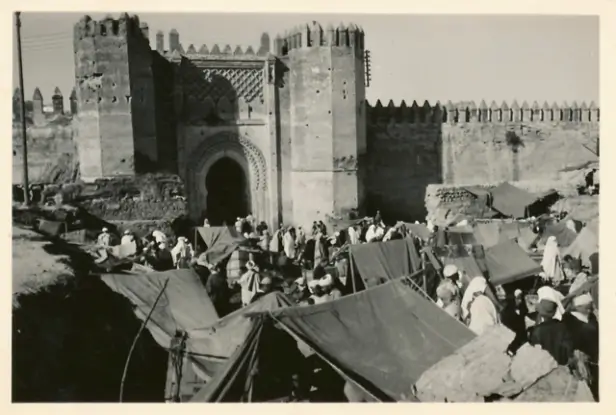
Fes was founded in the 9th century and quickly grew into a powerful intellectual, spiritual, and economic center. Its strategic location between trade routes connecting North Africa, Andalusia, and the Middle East allowed the city to flourish as merchants, scholars, and craftsmen settled there. Over time, different dynasties expanded the city, building mosques, schools, palaces, markets, and defensive walls that still define the urban landscape today.
Unlike many historic cities that underwent large-scale modernization, Fes preserved much of its original structure. The medina still follows its ancient layout, where neighborhoods are organized around mosques, fountains, markets, and communal spaces. This continuity makes Fes one of the best places in the world to understand how medieval Islamic cities functioned socially and economically.
Throughout history, the city also became a major center of religious scholarship, attracting students and thinkers from across the Islamic world. The influence of these intellectual traditions continues to shape the identity of Fes even today.
Entering the Medina: Bab Boujloud, the Blue Gate
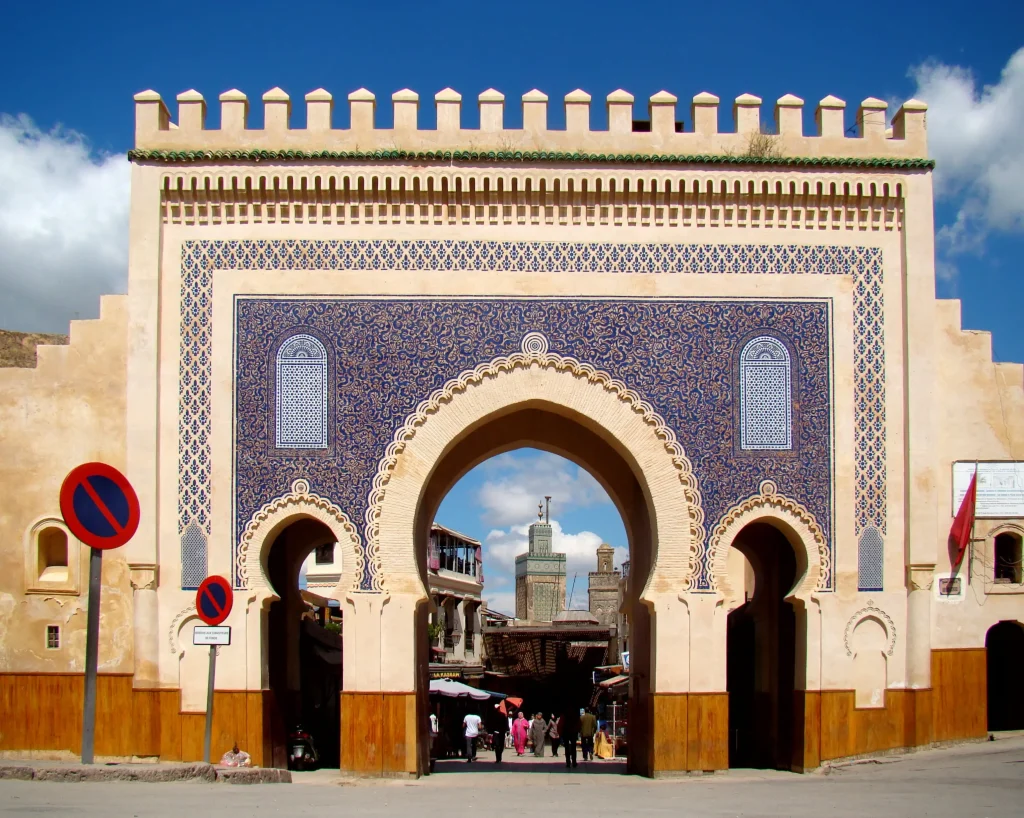
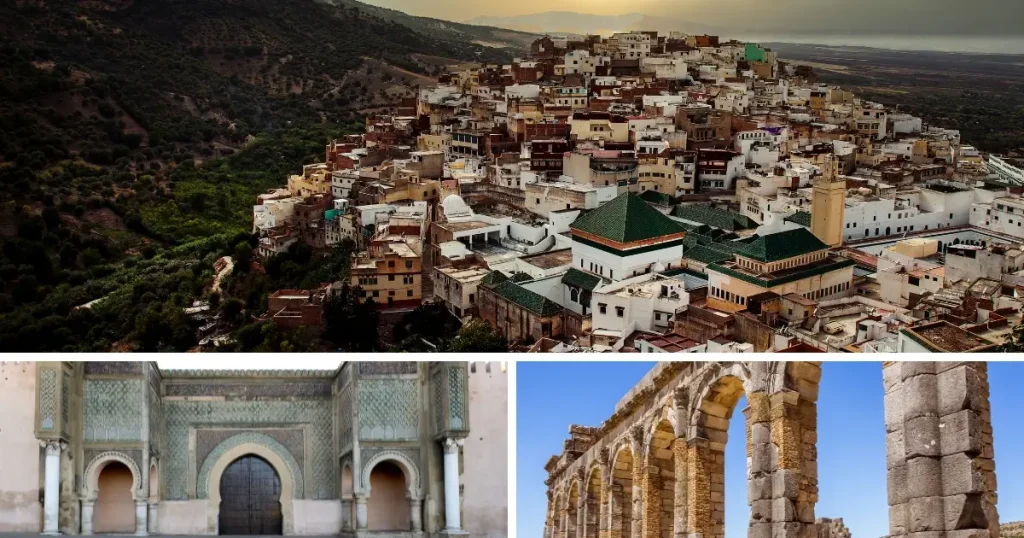
For most visitors, the journey into the medina begins at Bab Boujloud, also known as the Blue Gate. This monumental entrance is one of the most recognizable landmarks of Fes, decorated with intricate blue and green mosaic tiles representing the city’s artistic heritage. Passing through the gate feels symbolic, as travelers move from the modern city outside into a historic world preserved for centuries.
Beyond the gate, the streets immediately narrow and the environment changes dramatically. Shops selling traditional goods line the pathways, cafés serve fresh mint tea, and artisans begin their daily work. The sounds of hammering metal, weaving textiles, and merchants greeting customers create an energetic yet historic atmosphere that defines the experience of Fes Medina.
Unlike planned modern shopping districts, the medina developed organically over centuries, which explains its complex network of interconnected streets. Getting lost here is not a problem but rather an essential part of the adventure, as unexpected discoveries often become the most memorable travel moments.
Daily Life Inside the Medina
One of the most fascinating aspects of Fes Medina is that it is not a historical monument frozen in time but a living residential city where thousands of families continue to live and work. Children walk to neighborhood schools, local bakeries produce fresh bread daily, and small neighborhood markets provide vegetables, spices, and household goods for residents.
Early mornings in the medina offer a peaceful atmosphere as shopkeepers open wooden doors and sweep the narrow streets. By midday, the markets become lively as residents shop and artisans begin producing goods. Evenings bring a quieter rhythm again, with families gathering for meals and cafés filling with conversation.
This continuous cycle of daily life gives Fes a human dimension that many historic tourist destinations lack. Visitors are not simply observing history; they are walking through a functioning cultural environment shaped by centuries of tradition.
The Role of Traditional Neighborhoods
Historically, the medina was organized into specialized neighborhoods based on professions and community life. Certain areas became known for leather production, others for pottery, textiles, metalwork, or food markets. This organization allowed craftsmen to collaborate, share techniques, and maintain quality standards across generations.
Many of these specialized districts still exist today. Walking through the medina, visitors may notice entire streets dedicated to one craft, such as copper workshops where artisans hammer metal into lanterns and trays, or weaving districts where traditional looms produce fabrics used in Moroccan clothing and home decoration.
This structure reflects how the medina historically functioned as a self-sustaining economic system, where production, trade, education, and religious life were closely connected within the same urban space.
Architecture That Reflects Cultural Identity
The architectural beauty of Fes Medina lies not only in grand monuments but also in everyday residential buildings. Traditional Moroccan homes, known as riads, are designed around interior courtyards that provide privacy, shade, and natural ventilation. From the outside, houses may appear simple, but inside they often reveal elaborate tilework, carved wood, decorative plaster, and small garden fountains.
Public fountains scattered throughout the medina historically served as water sources for residents and remain important decorative elements today. Many of these fountains are covered in colorful geometric tile designs representing traditional Moroccan artistic styles that have remained consistent for centuries.
Mosques, madrasas (religious schools), and community buildings further enhance the architectural diversity of the medina, creating a cityscape where nearly every structure carries historical significance.
A Cultural Experience Unlike Any Other
What makes Fes Medina particularly special is the depth of cultural immersion it offers travelers. Instead of observing traditions from a distance, visitors witness real artisans practicing skills passed down through generations. Handcrafted pottery, leather goods, textiles, and metalwork are still produced using traditional methods rather than mass manufacturing.
This authenticity has helped preserve the reputation of Fes as Morocco’s craftsmanship capital. Many artisans learn their trade from family members at a young age, continuing workshops that may have existed for hundreds of years. As a result, the medina remains not only a tourist attraction but also an important center of traditional Moroccan industry.
For travelers interested in culture, history, architecture, and traditional crafts, exploring the medina becomes far more than a sightseeing activity — it becomes a deeper understanding of Moroccan heritage.
Throughout its long history, Fes developed a reputation not only as a commercial center but also as one of the most important intellectual capitals of the Islamic world. Scholars, philosophers, mathematicians, and theologians traveled to the city from different regions of North Africa, Andalusia, and the Middle East to study, teach, and exchange ideas. This intellectual legacy shaped the identity of the city and continues to influence its cultural prestige today.
At the center of this educational heritage stands one of the most remarkable institutions in global history: the University of Al Quaraouiyine.
Al Quaraouiyine University: The World’s Oldest Continuously Operating University
Founded in 859, the University of Al Quaraouiyine is widely recognized as the oldest continuously operating university in the world. Established by Fatima al-Fihri, the institution began as a mosque and educational center before evolving into a renowned university attracting scholars from across the Islamic world and beyond.
Over the centuries, the university played a major role in the development of mathematics, astronomy, philosophy, and theology. Many influential scholars studied or taught within its walls, contributing to the transmission of knowledge between the Islamic world and Europe during the medieval period.
Although access to the interior is limited for visitors, even viewing the architectural details from surrounding entrances reveals extraordinary craftsmanship. Carved wooden doors, geometric tilework, marble courtyards, and decorative plasterwork reflect the artistic sophistication that defined Moroccan architecture throughout history.
Bou Inania Madrasa: A Masterpiece of Moroccan Architecture
Another remarkable educational monument in Fes is the Bou Inania Madrasa, one of the most beautiful religious schools in Morocco. Built in the 14th century, the madrasa served both as a center of learning and a place of worship for students studying Islamic sciences.
Visitors are often captivated by the intricate details of the structure: cedar wood carvings, colorful zellige tile patterns, calligraphy inscriptions, and marble floors arranged in geometric harmony. The central courtyard, open to the sky, creates a peaceful atmosphere that contrasts with the busy streets outside.
Walking through the madrasa allows travelers to experience the artistic excellence that characterized Moroccan architecture during the medieval era, when education and art were closely connected.
The Chouara Tanneries: A Living Tradition
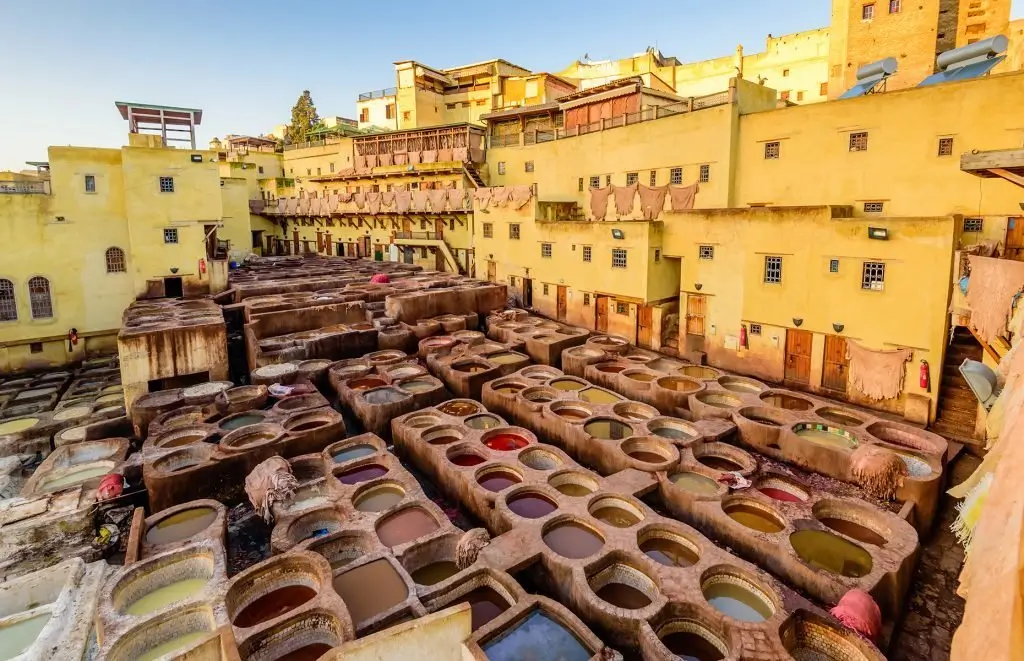
Among the most iconic attractions of Fes are the Chouara Tanneries, which represent one of the oldest continuously operating leather production sites in the world. Here, artisans continue to process animal hides using traditional methods that have changed very little for centuries.
From terraces overlooking the tannery pits, visitors can observe workers preparing leather using natural ingredients such as plant-based dyes and limestone treatments. The circular dye vats filled with vibrant colors create a visually striking scene that has become one of Morocco’s most photographed locations.
Despite modernization in many industries, the leather workshops of Fes maintain their historical techniques, preserving skills passed down through generations. The finished leather products — bags, jackets, slippers, and decorative items — are then sold throughout the medina, contributing to the city’s reputation as a center of traditional craftsmanship.
Artisan Guilds and Specialized Craft Districts
The organization of the medina historically revolved around artisan guilds, where each craft occupied its own district. This system ensured quality control, knowledge sharing, and efficient trade distribution. Even today, visitors can walk through areas dedicated to pottery, textiles, metalwork, wood carving, and jewelry making.
In the pottery districts, craftsmen shape clay into decorative tiles and ceramic bowls using traditional wheels, while nearby kilns bake finished pieces using techniques preserved for centuries. Metalworkers create intricate lanterns and engraved trays, often using hand tools rather than modern machinery. Textile workshops produce embroidered fabrics and traditional garments that reflect regional designs.
These districts not only serve as shopping areas but also function as open-air workshops where travelers can witness the creative process firsthand.
Religious and Cultural Monuments Across the Medina
Fes contains hundreds of mosques, fountains, and community buildings that reflect the city’s historical development. While many mosques are reserved for Muslim worshippers, their architectural exteriors often feature stunning decorative elements visible from the surrounding streets. Public fountains, once essential for water distribution, remain important gathering points and examples of traditional tile craftsmanship.
Madrasas and religious complexes scattered throughout the medina historically served as centers of community education, teaching religious sciences, grammar, mathematics, and philosophy. These institutions played a major role in shaping intellectual life across North Africa for centuries.
Cultural Events and Festivals
Throughout the year, Fes hosts several cultural festivals celebrating music, spirituality, and artistic traditions. The Fes Festival of World Sacred Music is one of the most internationally recognized events, bringing performers from across the globe to celebrate spiritual musical traditions. Such festivals highlight the city’s ongoing role as a cultural bridge connecting different civilizations.
Even outside festival seasons, traditional music performances, storytelling, and local celebrations can often be experienced in various parts of the city, offering visitors an opportunity to engage with living cultural traditions rather than historical displays alone.
The Experience of Learning Through Exploration
Unlike many tourist destinations where attractions are separated by large distances, the landmarks of Fes Medina are closely interconnected. Walking from one historical monument to another naturally leads travelers through markets, artisan workshops, and residential neighborhoods, creating a continuous learning experience. Every street reveals another aspect of the city’s cultural identity, making exploration itself part of the attraction.
This immersive structure allows visitors to understand not only individual monuments but also the social systems that supported education, commerce, religion, and daily life for centuries.
The Culinary Capital of Morocco
Fes is widely considered the gastronomic capital of Morocco, known for preserving some of the country’s most refined and historic recipes. Many traditional Moroccan dishes reached their most sophisticated forms in this city due to centuries of cultural exchange between Andalusian, Arab, Berber, and Jewish communities. This unique blend created a culinary tradition that is both diverse and deeply rooted in history.
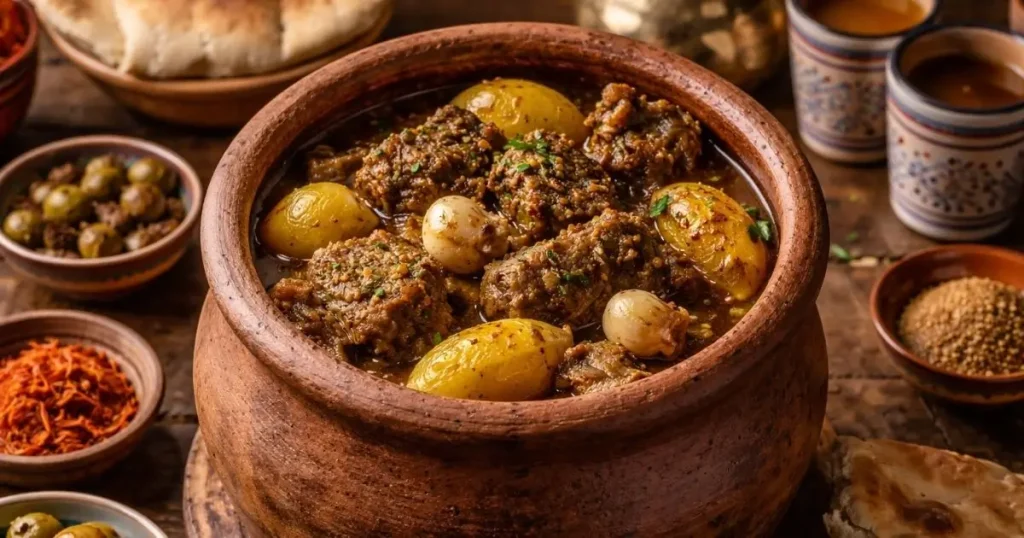
One of the most famous dishes associated with Fes is pastilla, a delicate pastry that combines sweet and savory flavors in a perfectly balanced recipe. Traditionally prepared with thin layers of pastry, spiced meat, almonds, and a light dusting of powdered sugar and cinnamon, pastilla represents the elegance of Moroccan cuisine. Another essential culinary experience is tasting slow-cooked tagines, prepared with vegetables, meats, dried fruits, and aromatic spices that create rich and comforting flavors.
Local bakeries also play an important role in daily life. Early each morning, residents bring homemade dough to neighborhood ovens, where communal baking traditions continue as they have for centuries. Visitors who explore residential areas early in the day often witness this authentic cultural practice.
Rooftop Dining and Traditional Riads
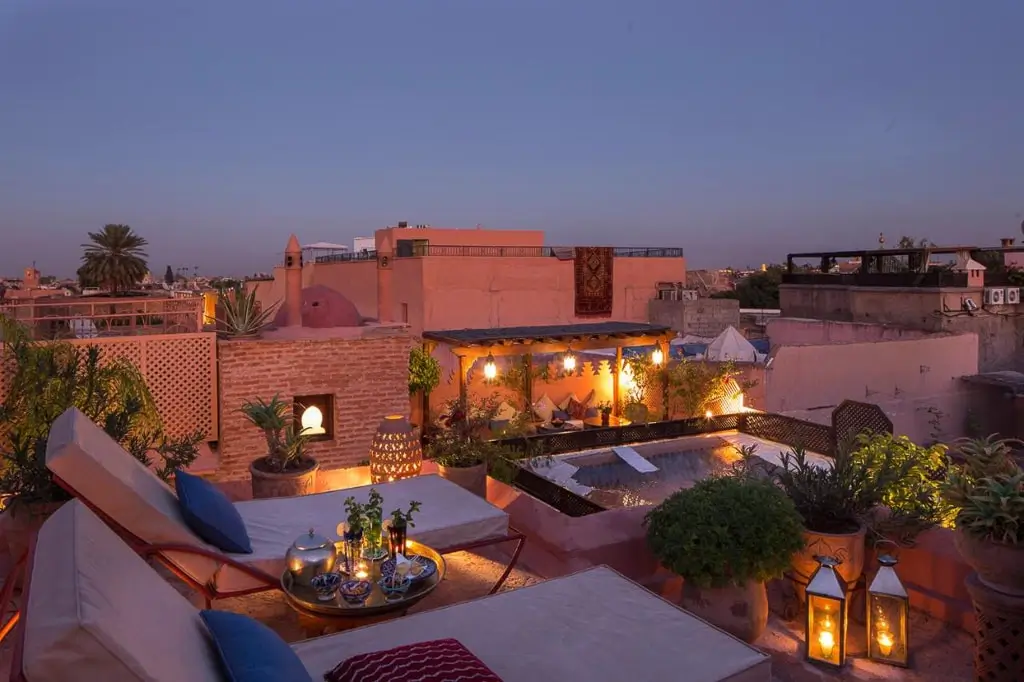
One of the most memorable experiences in Fes is dining on a rooftop terrace overlooking the ancient medina. As the sun sets, the call to prayer echoes across the city while historic rooftops glow under warm evening light. Many traditional riads — historic Moroccan houses converted into guest accommodations — offer rooftop restaurants where travelers can enjoy authentic cuisine while experiencing the atmosphere of the old city from above.
Staying in a riad is itself an important part of the Fes experience. Unlike modern hotels, riads feature interior courtyards decorated with fountains, plants, carved wood, and colorful tiles. These peaceful spaces provide a calm retreat from the lively streets outside and allow visitors to appreciate traditional Moroccan architecture from within.
Shopping for Authentic Handcrafted Goods
Fes remains one of the best places in Morocco to purchase authentic handcrafted items. Because many workshops still operate using traditional methods, products often maintain a higher level of craftsmanship compared to mass-produced souvenirs found elsewhere. Popular items include handwoven carpets, ceramic pottery, leather bags, brass lanterns, embroidered textiles, and traditional slippers known as babouches.
Shopping in the medina is not only about purchasing items but also about interacting with artisans and learning about their techniques. Many craftsmen are proud to explain their work, offering visitors insight into skills passed down through generations. Supporting these workshops helps preserve traditional crafts that form an essential part of Moroccan cultural heritage.
Excursions Around Fes
While the medina itself offers countless discoveries, the region surrounding Fes also provides interesting day-trip opportunities. Nearby destinations include the historic Roman ruins of Volubilis, one of the best-preserved archaeological sites in North Africa, and the sacred town of Moulay Idriss, an important pilgrimage destination with panoramic hilltop views.
Nature lovers may also explore the Middle Atlas Mountains, where cedar forests, lakes, and scenic landscapes offer a refreshing contrast to the dense urban environment of the medina. These excursions allow travelers to combine historical exploration with natural beauty during their stay in the region.
Practical Travel Tips for Visiting Fes Medina
Because the medina is large and complex, a few practical tips can help visitors enjoy the experience more comfortably:
- Wear comfortable walking shoes, as streets are narrow and often uneven.
- Carry small cash, since many small shops do not accept cards.
- Explore early in the morning to enjoy quieter streets and better photography conditions.
- Consider hiring a local guide for the first visit to understand the layout and historical significance of major landmarks.
- Respect local customs, especially when visiting religious or traditional areas.
While Fes is generally welcoming and safe for travelers, staying aware of surroundings in crowded markets is always recommended, as in any busy tourist destination.
Cultural Encounters and Human Connections
One of the most rewarding aspects of visiting Fes is the opportunity to interact with local residents. Shopkeepers, artisans, and café owners often enjoy conversations with travelers, sharing stories about their city, traditions, and daily life. These interactions transform a simple sightseeing trip into a meaningful cultural exchange.
Unlike heavily commercialized destinations, many parts of Fes Medina maintain an authentic neighborhood atmosphere. Children play in small squares, neighbors greet each other in the streets, and traditional daily routines continue largely unchanged. Observing these everyday moments offers travelers a deeper understanding of Moroccan society beyond tourist attractions.
Why Fes Medina Remains One of Morocco’s Greatest Travel Experiences
Fes is not only a historical destination but also a living cultural environment where education, craftsmanship, cuisine, and community life remain interconnected. Few cities in the world offer such a complete immersion into centuries-old traditions still actively practiced today. From the intellectual heritage of Al Quaraouiyine University to the colorful activity of artisan workshops and the peaceful elegance of traditional riads, every part of the medina reflects a rich cultural legacy.
Travelers who explore Fes often describe it as one of the most authentic experiences in Morocco — a place where history is not displayed behind museum glass but continues to shape daily life. The combination of architecture, craftsmanship, gastronomy, and human interaction creates a destination that rewards curiosity and slow exploration.
Visiting Fes Medina is more than a travel activity; it is an opportunity to step into a world where history, art, and tradition coexist in their original environment. Whether wandering through ancient streets, tasting centuries-old recipes, discovering artisan workshops, or watching the sunset from a rooftop terrace, the city offers unforgettable experiences at every turn.
For travelers seeking cultural depth, historical richness, and authentic Moroccan atmosphere, Fes remains one of the country’s most remarkable destinations — a city where every alley holds a story and every visit reveals something new.