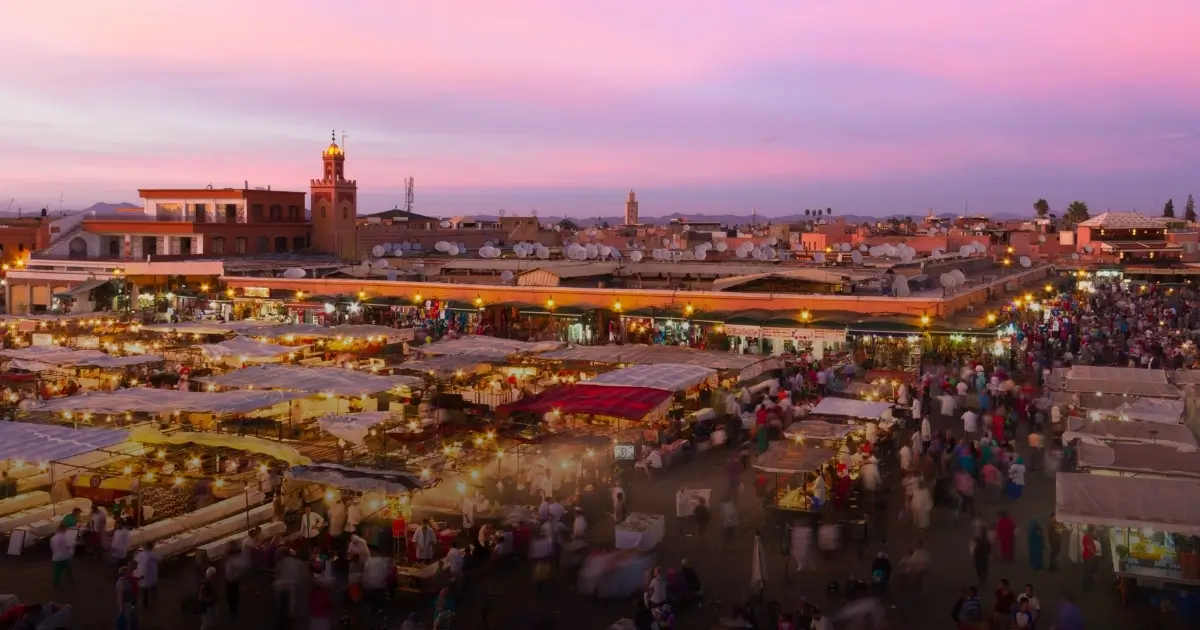
When you choose to travel to Morocco, you are stepping into a land of enchanting contrasts, where the golden dunes of the Sahara meet the rugged peaks of the Atlas Mountains and the vibrant energy of ancient medinas pulses through narrow, spice-scented alleyways. It is a destination that captures the soul, offering a tapestry of experiences that range from the serene tranquility of a riad courtyard to the bustling chaos of a souk filled with artisans and merchants. However, like any journey to a foreign land, ensuring your safety is paramount to fully immersing yourself in the beauty and culture that await. This comprehensive guide is designed to provide you with ten essential safe travel tips for visiting Morocco, ensuring that your experience is as secure as it is unforgettable. Whether you are planning to go to Morocco for a romantic getaway, a solo adventure, or a family exploration, understanding the nuances of local customs, transportation, and arrival procedures will empower you to navigate the Kingdom with confidence. From the moment you land at the airport to the time you depart, prioritizing safety allows you to focus on the magic of the journey rather than worrying about the logistics.
Preparing to Go to Morocco: Essential Pre-Departure Safety Measures
Before you even pack your bags, the foundation of a safe trip is laid through meticulous preparation. When you decide to go to Morocco, you are entering a country with rich traditions and specific regulatory requirements that differ from Western nations. Safety begins long before you arrive at your destination; it starts with the research you conduct in the comfort of your own home. One of the first steps is ensuring your documentation is in order. Your passport must be valid for at least six months beyond your date of entry, and depending on your nationality, you may need to apply for a visa in advance. Many travelers overlook this crucial detail, which can cause significant stress at the airport upon arrival. Furthermore, purchasing comprehensive travel insurance is non-negotiable. While Morocco is generally safe for tourists, medical facilities in rural areas may not meet the standards you are accustomed to, and evacuation coverage can be a lifesaver in emergency situations.
Beyond paperwork, cultural preparation is a significant aspect of personal safety. Morocco is a conservative Muslim country, and respecting local norms can prevent unwanted attention or misunderstandings. Dressing modestly, particularly for women, is highly recommended when walking through public spaces. This does not mean you must wear traditional clothing, but covering shoulders and knees shows respect and helps you blend in rather than stand out as a target for petty crime. Additionally, learning a few basic phrases in Arabic or French can go a long way. While many people in tourist areas speak English, attempting to speak the local language demonstrates respect and often results in warmer interactions with locals. When you travel to Morocco with an open mind and a respectful attitude, you build a bridge of goodwill that enhances your safety net. It is also wise to register with your embassy or consulate before you go to Morocco, ensuring that your government knows your whereabouts in case of a national emergency or natural disaster.
Researching Health Requirements and Vaccinations
Health safety is another pillar of preparation that cannot be ignored. Before you travel to Morocco, consult with a travel medicine specialist to discuss recommended vaccinations. Hepatitis A and Typhoid are commonly suggested due to potential food and water contamination risks. Additionally, ensuring you have an adequate supply of any prescription medications is vital, as specific brands may not be available locally. It is also advisable to bring a basic first-aid kit containing remedies for stomach upset, as the change in diet and water can affect even the hardiest travelers. By addressing these health concerns beforehand, you minimize the risk of illness disrupting your itinerary. Remember, being healthy is being safe, and taking proactive steps ensures you have the energy to explore everything from the blue streets of Chefchaouen to the historic ruins of Volubilis.
Arriving at the Airport in Morocco: What to Expect Upon Landing
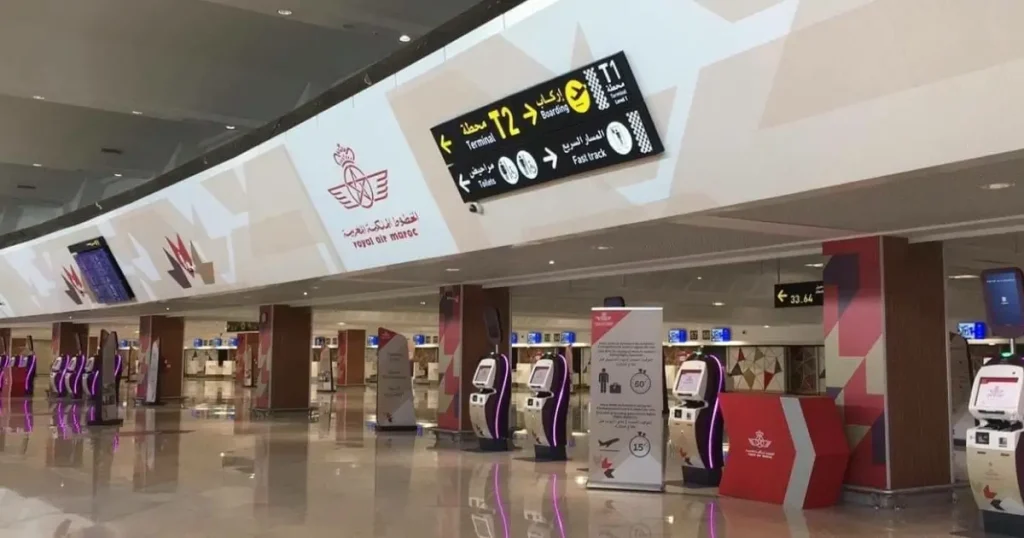
The first physical step of your journey begins when your plane touches down at a Morocco airport. For most international travelers, the primary points of entry are Mohammed V International Airport in Casablanca, Menara Airport in Marrakech, or Rabat-Salé Airport. The experience of arriving at the airport in Morocco can be overwhelming due to the sheer volume of travelers and the bustling atmosphere, but knowing what to expect will keep you calm and secure. Upon disembarking, you will proceed through immigration, where officers will stamp your passport. It is crucial to have your return ticket and hotel confirmation readily available, as immigration officers may ask for proof of onward travel. Keep these documents in a easily accessible pocket of your carry-on luggage, rather than buried deep in your bag, to streamline the process.
Once you clear immigration, you will collect your baggage and proceed through customs. The airport environment is generally secure, with police and security personnel present throughout the terminals. However, as with any major international hub, it is a hotspot for pickpockets and opportunistic thieves. Keep your valuables close to your body and avoid displaying expensive electronics like cameras or smartphones while waiting in line. After clearing customs, you will enter the arrivals hall, which is often where travelers feel the most vulnerable. This is the area where unofficial taxi drivers and touts may approach you aggressively, offering rides or guide services. While some may be legitimate, it is far safer to arrange your transportation in advance or use the official taxi ranks located just outside the terminal doors. Navigating the airport smoothly sets a positive tone for the rest of your trip, reducing initial travel anxiety.
Transportation from the Airport to Your Hotel
Choosing safe transportation from the airport is one of the most critical decisions you will make when you go to Morocco. Official airport taxis are usually colored and metered, but drivers may sometimes claim the meter is broken to negotiate a higher flat rate. To avoid this, agree on the fare before entering the vehicle or insist on using the meter. Alternatively, many hotels offer airport pickup services, which is often the safest and most stress-free option for first-time visitors. Having a driver waiting for you with a sign bearing your name eliminates the need to negotiate in a foreign language while tired from a long flight. If you prefer ride-sharing apps, check their availability in the specific city you are visiting, as services vary across the country. Regardless of the method you choose, ensure the vehicle is licensed and identifiable. Never accept rides from unmarked cars inside the terminal, as this poses a significant safety risk. By securing reliable transport from the airport, you ensure a safe transition from the sterile environment of the terminal to the vibrant streets of your destination.
Safety Tips When You Travel to Morocco for the First Time
Once you have settled into your accommodation, the real exploration begins. When you travel to Morocco for the first time, the sensory overload can be intense, and it is easy to let your guard down amidst the beauty. However, maintaining situational awareness is key to staying safe. One of the most common issues tourists face is petty theft, particularly in crowded areas like the medinas of Fes and Marrakech. These ancient cities are labyrinthine wonders, but their narrow streets can also provide cover for pickpockets. Always keep your bag zipped and in front of you, and avoid keeping all your cash in one place. Splitting your money between a money belt, your pocket, and your hotel safe is a smart strategy. If you are carrying a camera, be discreet when taking photos, especially of people, as some locals may expect payment or become upset at being photographed without permission.
Another vital tip involves managing interactions with unofficial guides. In many tourist hubs, individuals may approach you offering to show you around the medina or lead you to a specific shop. While some are friendly locals, others may demand high fees for their services once the tour is complete. If you want a guide, hire one through your hotel or a reputable tour agency where rates are fixed and credentials are verified. Politely but firmly declining unsolicited help is a skill you will need to develop. A simple “No, thank you” in French (“Non, merci”) or Arabic (“La, shukran”) is usually sufficient. Engaging in prolonged conversation can be interpreted as interest, making it harder to walk away. When you travel to Morocco, confidence is your best defense; walking with purpose and looking like you know where you are going discourages those who might seek to take advantage of confused tourists.
Money Matters and Avoiding Scams
Financial safety is equally important when you go to Morocco. The local currency is the Moroccan Dirham, and it is a closed currency, meaning you cannot buy it outside the country and cannot take it out when you leave. Exchange money at official bureaus or banks, preferably at the airport or in city centers, and keep your receipts. Using ATMs is generally safe, but be wary of skimming devices; inspect the card slot before inserting your card and cover your PIN when typing. Be cautious of common scams, such as being overcharged in shops or restaurants. Always ask for the price before ordering food or accepting services. In the souks, haggling is expected, but start at a lower price and meet in the middle. If a deal feels too good to be true, it probably is. Being vigilant about your finances ensures that you do not end your trip with unnecessary stress or loss.
Exploring Moroccan Cities Safely: Medinas and Nightlife
Morocco’s cities are the heart of its culture, but they also present unique safety challenges. The medinas, or old cities, are UNESCO World Heritage sites filled with history, but their narrow, winding streets can be disorienting. When exploring these areas, it is advisable to go during the day when the streets are bustling with activity. At night, some alleys can become dark and deserted, increasing the risk of theft. If you plan to enjoy the nightlife, stick to well-lit, populated areas and reputable establishments. Many riads and hotels have rooftop terraces that offer a safe and beautiful way to experience the evening atmosphere without venturing into unknown neighborhoods. When you travel to Morocco, embracing the rhythm of the city means knowing when to explore and when to retreat to the safety of your accommodation.
Women traveling alone or in groups should take extra precautions. While Morocco is generally welcoming to female tourists, unwanted attention can occur. Dressing conservatively helps minimize this, as does avoiding eye contact with men who are staring or catcalling. If you feel uncomfortable, enter a shop or cafe until the situation passes. There is safety in numbers, so consider joining group tours for excursions into remote areas or night walks. Local women are often friendly and can be great allies if you need assistance. By respecting local customs and staying aware of your surroundings, you can enjoy the rich cultural tapestry of Moroccan cities without compromising your safety.
Navigating Public Spaces and Crowds
Crowds are a常态 in Moroccan markets and during religious festivals. In these situations, keep your belongings secure and be mindful of your personal space. If you find yourself in a densely packed area, keep your hands on your valuables. It is also important to stay hydrated and protect yourself from the sun, as heat exhaustion can make you vulnerable. Carry a bottle of water, but ensure it is sealed and from a trusted source. When you go to Morocco, understanding the flow of the crowds and moving with them rather than against them can prevent accidents and keep you safe. Always have a meeting point established if you are traveling with companions, as mobile signal can sometimes be spotty in the old quarters.
Transportation and Getting Around: Trains, Buses, and Taxis
Getting around Morocco is an adventure in itself, but choosing the right mode of transport is essential for safety. The national railway company, ONCF, offers a reliable and safe way to travel between major cities like Casablanca, Rabat, Fes, and Marrakech. Trains are comfortable, secure, and offer scenic views of the countryside. For longer distances, reputable bus companies like CTM provide safe and affordable options. When using these services, keep your luggage in sight or in designated storage areas where you can monitor it. Avoid leaving valuables in overhead racks where they can be easily grabbed during stops.
Within cities, taxis are the most common form of transport. As mentioned earlier, always use official taxis. Petit taxis are for short trips within cities, while grand taxis are for inter-city travel. Ensure the driver starts the meter or agrees on a fare beforehand. If you are hiring a private driver for a multi-day tour, verify their license and read reviews from previous customers. When you travel to Morocco, the freedom to move around is liberating, but it must be balanced with caution. Never accept rides from strangers, and avoid hitchhiking, as this is unsafe for tourists. By planning your transport logistics carefully, you reduce the risks associated with getting lost or falling victim to transportation scams.
Road Safety and Driving Conditions
If you choose to rent a car, be aware that driving conditions in Morocco can be challenging. Roads in rural areas may be poorly lit, and livestock often wander onto highways. Defensive driving is essential, and you should avoid driving at night whenever possible. Ensure your rental car is in good condition and that you have all necessary insurance documents. Parking should be done in secured lots, especially in cities, to prevent break-ins. When you go to Morocco with the intention of self-driving, prepare yourself for a different driving culture than what you might be used to at home. Patience and alertness are your best tools on the road.
Travel Safety Checklist for Morocco
To ensure you have covered all bases before and during your trip, refer to this comprehensive safety checklist. This list consolidates the most critical advice for when you travel to Morocco, helping you stay organized and secure.
- Documentation: Ensure your passport is valid for six months and carry copies of your visa, insurance, and hotel bookings.
- Health: Pack a first-aid kit, prescription medications, and bottled water; verify vaccinations before you go to Morocco.
- Money: Exchange currency at official bureaus, split cash storage, and notify your bank of travel plans.
- Communication: Save local emergency numbers (Police: 19, Ambulance: 15) and your embassy’s contact information in your phone.
- Clothing: Pack modest clothing that covers shoulders and knees to respect local customs and reduce unwanted attention.
- Transport: Pre-book airport transfers, use official taxis, and avoid unmarked vehicles at the airport.
- Belongings: Use anti-theft bags, keep valuables hidden, and utilize hotel safes for passports and excess cash.
- Connectivity: Purchase a local SIM card at the airport for reliable internet and navigation.
- Awareness: Stay vigilant in crowded medinas, avoid dark alleys at night, and trust your instincts if a situation feels wrong.
- Culture: Learn basic French or Arabic phrases to facilitate smoother interactions and show respect to locals.
FAQ: Common Questions When You Go to Morocco
Travelers often have specific concerns regarding safety and logistics. Here are answers to some of the most frequently asked questions to help you prepare when you travel to Morocco.
1. Is it safe to travel to Morocco for solo female travelers?
Yes, it is generally safe to travel to Morocco as a solo female, provided you take standard precautions. Dressing modestly, avoiding isolated areas at night, and using reputable transportation can significantly enhance your safety experience.
2. Which airport is the best to fly into when I go to Morocco?
Mohammed V International Airport in Casablanca is the largest and handles most international flights, but Menara Airport in Marrakech is also popular for tourists. Choose the airport closest to your primary destination to minimize domestic travel.
3. What should I do if I lose my passport at the airport in Morocco?
If you lose your passport, contact your country’s embassy or consulate immediately. They can issue emergency travel documents. It is why carrying a photocopy of your passport separately from the original is crucial when you travel to Morocco.
4. Are there specific safety concerns at the Morocco airport regarding scams?
While the airport is secure, be wary of individuals offering unofficial currency exchange or taxi services inside the terminal. Stick to official counters and ranks to avoid being overcharged or misled when you arrive at the airport.
5. How can I stay healthy when I travel to Morocco?
Drink only bottled or purified water, avoid ice in drinks, and eat cooked foods that are served hot. Washing your hands frequently and carrying hand sanitizer is also recommended to prevent illness when you go to Morocco.
6. Do I need a visa to travel to Morocco?
Citizens of many countries, including the US, UK, and EU members, do not need a visa for stays up to 90 days. However, always check the latest requirements based on your nationality before you plan to go to Morocco.
Conclusion: Embrace the Journey with Confidence
Morocco is a land of breathtaking beauty, profound history, and warm hospitality that leaves an indelible mark on every visitor. While safety is a priority, it should not deter you from experiencing the magic of this North African kingdom. By following these ten safe travel tips for visiting Morocco, you equip yourself with the knowledge needed to navigate the country securely. From the moment you step off the plane at the airport to the time you wander through the vibrant souks, being prepared allows you to focus on the joy of discovery. When you travel to Morocco, you are not just visiting a place; you are immersing yourself in a culture that values community, tradition, and generosity.
Remember that the vast majority of Moroccans are welcoming and eager to share their heritage with guests. Incidents of crime are relatively low compared to many other tourist destinations, and with common sense and respect, your trip will be smooth and rewarding. Whether you are sipping mint tea on a rooftop in Marrakech, trekking through the High Atlas, or camping under the stars in the Sahara, let safety be the foundation that supports your adventure. So, pack your bags, secure your documents, and prepare to go to Morocco with an open heart. The Kingdom awaits, ready to offer you memories that will last a lifetime. Travel safely, travel wisely, and let the spirit of Morocco captivate your soul.